As accounting and business management software takes center stage, this opening passage beckons readers into a world crafted with good knowledge, ensuring a reading experience that is both absorbing and distinctly original.
This comprehensive exploration delves into the core of accounting and business management software, dissecting its fundamental purpose in streamlining financial operations and enhancing strategic decision-making. We will uncover how these systems consolidate diverse financial data streams into a unified platform, detailing the core functionalities that distinguish basic bookkeeping tools from comprehensive management solutions. Furthermore, we will examine the tangible benefits businesses gain from adopting integrated software for their financial workflows and trace the evolution of this technology from standalone desktop applications to interconnected cloud-based ecosystems.
The Core Role of Accounting and Business Management Software

Accounting and business management software serves as the digital backbone for modern enterprises, fundamentally aimed at streamlining financial operations and significantly enhancing strategic decision-making. At its heart, this software transforms the often complex and disparate world of financial data into an organized, accessible, and actionable resource. It moves beyond mere record-keeping to become an integral part of how businesses understand their financial health, identify growth opportunities, and navigate economic challenges.
By automating routine tasks and providing real-time insights, it frees up valuable human capital to focus on higher-level strategic initiatives rather than getting bogged down in manual data entry and reconciliation. This shift is crucial for any organization looking to maintain competitiveness and achieve sustainable growth in today’s fast-paced business environment. The ultimate goal is to provide clarity and control over an organization’s financial landscape, enabling informed choices that drive profitability and operational efficiency.
Consolidation of Diverse Financial Data Streams
The power of modern accounting and business management software lies in its ability to act as a central nervous system for all financial information. Businesses, especially as they grow, accumulate financial data from a multitude of sources. This can include sales transactions from point-of-sale systems, invoices from suppliers, payroll information from HR systems, expense reports submitted by employees, bank statements, and even data from e-commerce platforms or project management tools.
Without a unified system, this information remains fragmented, leading to inefficiencies, potential errors, and a distorted view of the company’s financial standing. Accounting and business management software bridges this gap by integrating these diverse data streams into a single, coherent platform. This consolidation process typically begins with the establishment of a chart of accounts, which provides a standardized framework for classifying all financial transactions.
Subsequently, through direct integrations, APIs (Application Programming Interfaces), or import functionalities, data from various sources is fed into the software. For instance, sales data from an e-commerce site can automatically update revenue figures, while expense reports submitted through a mobile app can be routed for approval and then posted to the general ledger. Payroll software can feed net pay and associated taxes directly into the accounting module, and bank feeds can automatically import transactions for reconciliation.
This unified approach ensures that all financial data is captured accurately, consistently, and in real-time, providing a holistic and up-to-date financial picture. This eliminates the need for manual data re-entry, which is a common source of errors and time wastage. Furthermore, it allows for a comprehensive audit trail, making it easier to track the origin and movement of funds, which is essential for compliance and internal control.
The consolidated data then forms the basis for all subsequent reporting and analysis, enabling a much deeper and more accurate understanding of financial performance.
Core Functionalities Differentiating Management Solutions
While basic bookkeeping tools focus on the foundational aspects of recording financial transactions, comprehensive accounting and business management solutions offer a far broader and more sophisticated set of functionalities that extend into strategic planning and operational control. Basic tools, such as simple spreadsheets or entry-level accounting software, are adept at tasks like recording income and expenses, generating basic profit and loss statements, and managing accounts payable and receivable.
They essentially provide a digital ledger. However, they often lack the depth needed to manage complex business processes or provide actionable insights for growth. Comprehensive solutions, on the other hand, integrate these basic bookkeeping functions with advanced modules designed to manage various facets of a business. Key differentiating functionalities include robust inventory management, which allows businesses to track stock levels, manage reorder points, and calculate cost of goods sold accurately, a critical component for retail and manufacturing.
Project accounting is another significant differentiator, enabling businesses to track costs, revenues, and profitability on a per-project basis, which is vital for service-based industries and construction. Fixed asset management is also a hallmark of advanced systems, allowing for the tracking of depreciation, asset lifecycles, and disposal. Furthermore, sophisticated budgeting and forecasting tools are integral, enabling businesses to create detailed financial plans, compare actual performance against budgets, and generate forecasts for future periods.
Advanced reporting and analytics capabilities, including customizable dashboards and key performance indicator (KPI) tracking, provide real-time visibility into business performance, allowing for proactive identification of trends and issues. Integration with other business systems, such as CRM (Customer Relationship Management) and HRIS (Human Resources Information System), is also a defining feature, creating a seamless flow of information across the organization. Multi-currency and multi-company capabilities are essential for businesses operating internationally or with multiple subsidiaries.
These advanced features transform the software from a simple record-keeping tool into a strategic asset for managing and growing a business.
Tangible Benefits of Integrated Financial Workflows
Adopting integrated accounting and business management software yields a multitude of tangible benefits that directly impact a business’s bottom line and operational efficiency. One of the most immediate advantages is the significant reduction in manual data entry and the associated risk of human error. By automating tasks like invoice processing, bank reconciliation, and payroll, businesses can save countless hours, allowing employees to focus on more value-added activities.
This increased efficiency translates directly into cost savings. Real-time access to accurate financial data is another critical benefit. Instead of waiting for month-end reports, decision-makers can access up-to-the-minute information on cash flow, profitability, and expenses. This enables them to make more informed and timely strategic decisions, such as adjusting pricing, optimizing inventory levels, or identifying areas for cost reduction. Improved cash flow management is a direct consequence of better visibility and control.
Integrated systems can help businesses track outstanding invoices, manage payment terms more effectively, and forecast cash needs, thereby reducing the risk of liquidity shortages. Enhanced compliance and audit readiness are also significant advantages. With a clear audit trail and standardized processes, businesses can more easily meet regulatory requirements and prepare for audits, reducing the burden and potential penalties associated with non-compliance.
Better inventory management, a common feature in integrated solutions, leads to reduced carrying costs, minimized stockouts, and improved customer satisfaction. For businesses with multiple locations or product lines, integrated software provides a consolidated view of performance across all entities, enabling better resource allocation and strategic planning. Ultimately, the adoption of integrated financial workflows fosters greater transparency, accountability, and control across the organization, laying a solid foundation for sustainable growth and profitability.
Evolution from Desktop to Cloud-Based Ecosystems
The evolution of accounting and business management software mirrors the broader technological shifts in the business world, moving from isolated desktop applications to interconnected, cloud-based ecosystems. In the early days, accounting software was typically installed on individual computers or local servers. These standalone applications were powerful for their time but suffered from limitations such as difficult collaboration, data silos, and the need for manual backups and software updates.
Sharing financial data between different departments or with external accountants was often a cumbersome process involving physical media or email attachments. The advent of the internet and advancements in computing power paved the way for Software as a Service (SaaS) models, leading to the rise of cloud-based accounting and business management solutions. This shift has fundamentally transformed how businesses interact with their financial data.
Cloud-based software is accessible from any device with an internet connection, facilitating remote work and real-time collaboration among team members, regardless of their physical location. Data is stored securely on remote servers, managed by the software provider, which also handles all updates, maintenance, and backups, freeing businesses from IT infrastructure burdens. This accessibility and reduced IT overhead are major advantages.
Furthermore, cloud platforms are inherently designed for integration. They often feature robust APIs that allow seamless connection with other cloud-based business applications, such as CRM systems, e-commerce platforms, payroll services, and industry-specific tools. This creates a connected ecosystem where data flows freely and automatically between different software solutions, eliminating manual data transfer and reducing errors. This interconnectedness allows for a holistic view of business operations, moving beyond just financial management to encompass sales, customer service, and project management within a unified digital environment.
The trend continues towards even more sophisticated AI-powered analytics and predictive capabilities embedded within these cloud ecosystems, further empowering businesses with deeper insights and more intelligent automation.
Explore the critical components that constitute robust accounting and business management software, emphasizing their interconnectedness.
A well-designed accounting and business management software suite is far more than just a collection of individual tools; it’s a meticulously integrated system where each component plays a vital role and relies on the others to function effectively. This interconnectedness is what transforms disparate data points into actionable insights, streamlining operations and providing a holistic view of a business’s financial health.
Understanding these core components and how they interact is crucial for any organization looking to leverage technology for better decision-making and operational efficiency. The true power of such software lies not in the individual modules, but in the seamless flow of information between them, creating a single source of truth for financial and operational data.The foundation of any robust accounting and business management software is built upon several essential modules, each serving a distinct but complementary purpose.
These modules work in concert, ensuring accuracy, compliance, and efficiency in financial record-keeping and operational management. The interconnectedness of these modules is paramount, as a transaction recorded in one area automatically updates relevant data in others, eliminating manual data entry and reducing the risk of errors. This integrated approach provides a real-time, comprehensive view of the business’s financial standing, enabling proactive management and strategic planning.
Essential Modules in Accounting and Business Management Software
The core of any effective accounting and business management software is comprised of several indispensable modules. These modules are designed to handle specific financial and operational tasks, but their true strength emerges when they are integrated, allowing data to flow seamlessly between them. This integration is what provides a unified view of the business’s financial landscape, from daily transactions to high-level strategic reporting.
Without these foundational elements working together, the software would merely be a collection of isolated tools, failing to deliver the comprehensive insights and operational efficiencies that businesses need to thrive.The essential modules typically found in such software include:
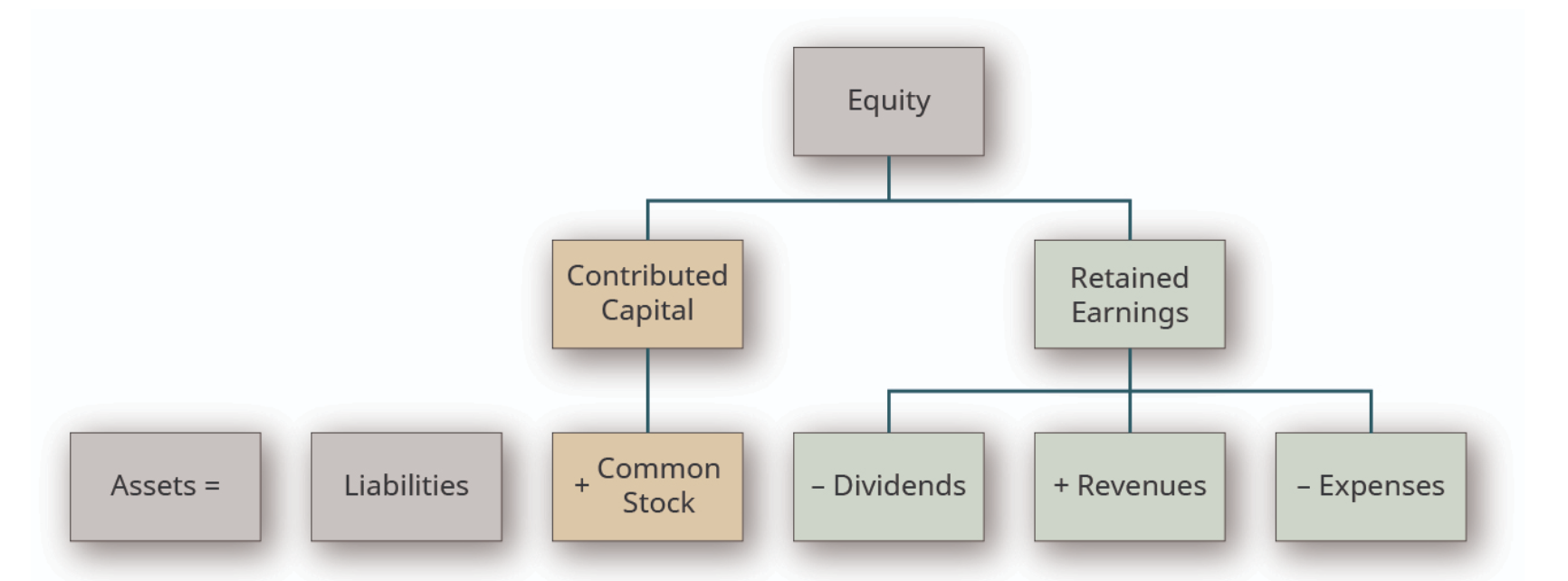
- General Ledger (GL): This is the central repository for all financial transactions. Every financial event, from sales to expenses, is recorded here in a structured format, usually in the form of journal entries. The GL categorizes these transactions into accounts, such as assets, liabilities, equity, revenue, and expenses, forming the basis for all financial statements. It ensures that debits always equal credits, maintaining the fundamental accounting equation.
- Accounts Payable (AP): This module manages all outgoing payments to suppliers and vendors. It tracks invoices received, schedules payments, processes payments, and maintains a record of all liabilities owed. Proper AP management ensures that bills are paid on time, avoiding late fees and maintaining good relationships with suppliers. It also provides visibility into cash outflows, aiding in cash flow forecasting.
- Accounts Receivable (AR): Conversely, this module handles all incoming payments from customers. It tracks sales invoices issued, monitors customer payments, manages outstanding balances, and handles collections. Effective AR management is critical for maintaining healthy cash flow and minimizing bad debt. It provides insights into which customers are paying on time and which may require follow-up.
- Bank Reconciliation: This crucial module compares the company’s financial records with bank statements to identify and resolve discrepancies. It ensures that all transactions recorded by the business have been processed by the bank and vice versa, confirming the accuracy of cash balances and preventing fraud.
- Payroll: This module manages employee compensation, including calculating wages, deducting taxes and other withholdings, and processing payroll payments. It ensures compliance with labor laws and tax regulations, and provides accurate records for both employees and tax authorities.
- Fixed Assets: This module tracks the acquisition, depreciation, and disposal of long-term assets such as property, plant, and equipment. It ensures accurate asset valuation and proper accounting for depreciation expenses over the asset’s useful life.
- Budgeting and Forecasting: While often more advanced, many systems include modules for creating budgets, tracking actual performance against those budgets, and generating financial forecasts based on historical data and projected trends. This aids in financial planning and control.
Inventory Management Integration with Sales and Purchasing
Inventory management is a cornerstone of operational efficiency, and its seamless integration with sales and purchasing processes within accounting and business management software is paramount for real-time stock visibility. This integration ensures that as sales orders are processed or purchase orders are created, the inventory levels are immediately updated, providing an accurate reflection of what is available. This real-time data is critical for making informed decisions about procurement, sales commitments, and production planning, thereby preventing stockouts and overstocking scenarios.
The interconnectedness here transforms inventory from a static record into a dynamic, responsive element of the business.When a sales order is entered into the system, the inventory management module instantly checks the availability of the ordered items. If the stock is sufficient, the system can confirm the order and automatically decrement the inventory count. If stock is low or unavailable, the system can alert the sales team and potentially trigger a reorder process.
This prevents overselling and ensures that customer expectations are managed effectively. For instance, if a customer orders 10 units of a product, and only 8 are in stock, the system can flag this, allowing the salesperson to inform the customer about the delay or suggest an alternative. This immediate feedback loop is invaluable for customer satisfaction and sales team productivity.Simultaneously, the purchasing module works in tandem with inventory management.
When stock levels for a particular item fall below a predetermined reorder point, the system can automatically generate a suggested purchase order or alert the purchasing manager. This ensures that popular items are always replenished in a timely manner, minimizing lost sales opportunities. The purchasing module then tracks the status of these orders, from placement to receipt. Upon receiving goods, the inventory levels are updated in real-time, reflecting the new stock on hand.
This cycle of sales reducing inventory and purchasing increasing it, all managed and tracked by the integrated system, provides an accurate, up-to-the-minute picture of stock levels across all locations. This level of visibility is crucial for effective warehouse management, optimizing storage space, and reducing carrying costs associated with excess inventory. The ability to track inventory by batch, serial number, or expiry date further enhances control and traceability, especially for businesses dealing with perishable goods or regulated products.
Reporting and Analytics Capabilities for Financial Performance Insights
The true power of accounting and business management software is unleashed through its comprehensive reporting and analytics capabilities. These features transform raw financial data into meaningful insights, empowering users to understand their company’s performance, identify trends, and make data-driven strategic decisions. Robust reporting tools go beyond simple transaction listings; they provide summarized, visualized, and comparative data that highlights key performance indicators (KPIs) and areas of concern or opportunity.
This analytical layer is what enables businesses to move from reactive problem-solving to proactive planning and growth.The reporting capabilities typically encompass a wide range of financial statements and operational reports. These include:
- Financial Statements: The most fundamental reports are the Income Statement (Profit and Loss), Balance Sheet, and Cash Flow Statement. These are generated automatically from the general ledger data, providing a snapshot of the company’s profitability, financial position, and cash movements over specific periods. Many systems allow for customization of these statements, enabling users to focus on specific departments, projects, or timeframes.
- Sales Reports: These reports offer insights into sales performance, broken down by product, customer, salesperson, region, or time period. They can highlight top-selling products, customer purchasing patterns, and the effectiveness of sales strategies. Examples include sales by item, sales by customer, and sales forecast accuracy.
- Expense Reports: Tracking and analyzing expenses is crucial for cost control. These reports can detail expenses by category, department, or vendor, helping to identify areas where spending can be reduced or optimized.
- Accounts Receivable and Payable Aging Reports: These reports are vital for cash flow management. AR aging shows outstanding customer invoices categorized by how long they have been overdue, while AP aging shows outstanding vendor invoices categorized by their due date. This helps in prioritizing collection efforts and managing payment schedules.
- Inventory Reports: Beyond just stock levels, these reports can provide insights into inventory turnover rates, cost of goods sold (COGS), obsolete inventory, and reorder point analysis. This helps in optimizing inventory levels and reducing carrying costs.
- Budget vs. Actual Reports: These reports compare planned financial performance (budget) with actual results, highlighting variances and enabling management to understand deviations and take corrective actions.
Beyond standard reports, advanced analytics features can include dashboards that provide a visual overview of key KPIs, trend analysis tools that allow users to see how performance has evolved over time, and the ability to drill down into specific data points for deeper investigation. Many systems also offer customizable report builders, allowing users to create unique reports tailored to their specific business needs.
The ability to export data in various formats (e.g., Excel, PDF) further enhances the utility of these reports for further analysis or presentation.
Conceptual Diagram of Data Flow Between Modules
Imagine a central hub, representing the core accounting engine of the software. From this hub, data flows in and out, connecting various operational modules and feeding back into the central ledger. This interconnectedness ensures that every transaction is recorded consistently and accurately across the entire system, providing a unified and reliable view of the business’s financial operations. This conceptual diagram illustrates how different components of the software interact, highlighting the seamless flow of information that is the hallmark of robust business management solutions.
When a sale is made and an invoice is generated:
- Data to GL: Revenue is recorded, and Accounts Receivable (AR) is debited.
- Data from Inventory Management: Stock levels are decremented.
- Data to AR: Customer invoice details are stored.
Manages customer invoices and payments:
- Data from Sales Order Processing: Invoices are entered.
- Data to GL: When payments are received, AR is credited, and Cash/Bank is debited.
- Data to Reporting: Aging reports, customer statements.
When goods or services are ordered from suppliers:
- Data to GL: Commitment for future expense, potentially impacting budget.
- Data to Inventory Management: Expected incoming stock is noted.
- Data to Accounts Payable (AP): Purchase order details are recorded.
Manages supplier invoices and payments:
- Data from Purchase Order Processing: Purchase orders are matched with invoices.
- Data to GL: When an invoice is approved, the expense is recorded, and AP is credited. When payment is made, AP is debited, and Cash/Bank is credited.
- Data to Reporting: Aging reports, vendor payment history.
Tracks stock levels and valuation:
- Data from Sales Order Processing: Stock is reduced upon sale.
- Data from Purchase Order Processing (Goods Receipt): Stock is increased upon receipt.
- Data to GL: Cost of Goods Sold (COGS) is updated as inventory is sold; inventory asset value is maintained.
- Data to Reporting: Stock levels, turnover rates, valuation reports.
Manages employee wages and deductions:
- Data to GL: Payroll expenses (wages, taxes, benefits) are recorded.
- Data to AP: Tax liabilities and other payroll-related payables are managed.
- Data to Reporting: Payroll summaries, tax filings.
Compares internal records with bank statements:
- Data from GL (Cash/Bank Accounts): Transaction data is pulled.
- Data from Bank Statements: External data is imported or entered.
- Feedback to GL/AR/AP: Discrepancies are identified and corrected, ensuring GL balances accurately reflect bank balances.
Generates insights from all modules:
- Data from all modules (GL, AR, AP, Inventory, Payroll, etc.): Aggregates and analyzes data.
- Output: Financial statements, dashboards, custom reports, trend analysis.
Illustrate the practical applications and diverse use cases of accounting and business management software across various organizational sizes and industries.
Accounting and business management software is far from a one-size-fits-all solution; its true power lies in its adaptability. Across the spectrum of business, from nascent startups to established corporations, and spanning a multitude of industries, this software empowers organizations to gain financial clarity, streamline operations, and drive informed decision-making. The specific functionalities that shine brightest often depend on the unique challenges and opportunities each entity faces.The versatility of modern accounting and business management software allows it to be a foundational tool for new ventures and a critical operational backbone for mature enterprises.
Its ability to scale and adapt to specific industry needs makes it an indispensable asset in today’s competitive landscape.
Small Startup Financial Setup and Growth Tracking
For a small startup, the initial phase is often characterized by lean resources and a singular focus on product development or service delivery. In this environment, accounting and business management software acts as a crucial enabler, providing the essential framework for financial discipline from day one. Imagine “Innovate Solutions,” a new tech startup developing a novel AI-powered productivity app. Their initial setup would involve leveraging the software to:
- Establish a Chart of Accounts: This foundational step categorizes all financial transactions, from initial investment and startup costs (legal fees, software licenses) to early revenue streams and operating expenses (cloud hosting, marketing spend). The software guides them in setting up these accounts logically, ensuring future reporting is clear and concise.
- Record Initial Capital Infusion: When the founders invest their personal funds or secure seed funding, the software accurately records this inflow, distinguishing between equity and debt. This is vital for understanding ownership stakes and future repayment obligations.
- Track All Expenditures: Every penny spent is meticulously logged. This includes vendor payments for hardware, software subscriptions, and early marketing efforts. Real-time expense tracking prevents overspending and provides a clear picture of where capital is being deployed.
- Generate Basic Financial Reports: Even in the early days, generating a simple Profit and Loss (P&L) statement and a Balance Sheet is critical. The software automates this, allowing the founders to see if they are burning cash faster than anticipated and to assess their financial health at a glance.
- Manage Invoices and Payments: As soon as they secure their first few clients, the software facilitates the creation and sending of professional invoices. It also helps track payment statuses, sending automated reminders for overdue accounts, thereby improving cash flow.
- Monitor Key Performance Indicators (KPIs): As the startup grows, the software can be configured to track crucial metrics like customer acquisition cost (CAC), monthly recurring revenue (MRR), and burn rate. This data is instrumental in demonstrating traction to potential investors and making strategic adjustments.
Innovate Solutions, by diligently using their chosen software, avoids the common pitfalls of financial disarray that plague many startups. They can confidently present accurate financial data to investors, make informed decisions about resource allocation, and build a solid foundation for sustainable growth. The software isn’t just about bookkeeping; it’s about providing the financial intelligence needed to navigate the uncertain early stages of a business.
Mid-Sized Manufacturing Company Production Cost and Supply Chain Management
A mid-sized manufacturing company, such as “Precision Parts Inc.,” which produces specialized automotive components, faces a far more intricate financial landscape. Their operations involve raw material procurement, complex production processes, inventory management, and distribution. Accounting and business management software becomes indispensable for managing these intertwined financial flows.Precision Parts Inc. would utilize the software to:
- Bill of Materials (BOM) Management: The software integrates with or includes robust BOM features. This allows them to define precisely the raw materials, sub-assemblies, and labor required for each product. This accuracy is fundamental for costing.
- Accurate Cost Tracking: The software captures the cost of raw materials as they are purchased, along with freight and import duties. It then allocates direct labor costs and manufacturing overhead (electricity, machine depreciation, factory rent) to work-in-progress and finished goods. This detailed cost allocation is crucial for understanding the true cost of each component.
- Inventory Valuation: With fluctuating material prices and diverse stock levels, the software provides real-time inventory valuation using methods like FIFO (First-In, First-Out) or weighted-average cost. This ensures accurate reporting on the company’s balance sheet and helps in making informed purchasing decisions.
- Work-in-Progress (WIP) Tracking: The software monitors the flow of goods through various production stages. This visibility allows management to identify bottlenecks, estimate completion times, and understand the value tied up in partially completed orders.
- Supply Chain Finance Management: This encompasses managing accounts payable to suppliers, negotiating payment terms, and forecasting cash outflows for raw material purchases. The software can integrate with supplier portals or provide payment scheduling tools to optimize cash flow and maintain strong supplier relationships.
- Production Scheduling Integration: While not always a core accounting function, many advanced systems allow integration with production scheduling software. This enables a seamless flow of data, ensuring that financial reporting reflects the actual production output and resource utilization, leading to more accurate forecasting of revenue and expenses.
- Quality Control Costing: The software can be used to track costs associated with quality control, including testing, rework, and scrap. This data is vital for identifying areas where quality improvements can lead to significant cost savings.
For Precision Parts Inc., the software is not merely a ledger; it’s an operational control panel. It provides the granular data needed to optimize production runs, negotiate better supplier contracts, manage inventory efficiently, and ultimately, ensure profitability in a highly competitive and cost-sensitive industry. The ability to precisely track and analyze production costs directly impacts their pricing strategies and overall competitiveness.
Service-Based Enterprise Project Accounting and Time Tracking
Service-based enterprises, such as a digital marketing agency like “Creative Sparks,” or a consulting firm, operate on a fundamentally different model than manufacturers. Their primary assets are their people and their expertise, and their revenue is generated through billable hours and project-based fees. For these businesses, accounting and business management software with robust project accounting and time tracking features is paramount.Creative Sparks would leverage these specific functionalities to:
- Project Setup and Budgeting: Each client engagement or campaign is set up as a distinct project within the software. This allows for the creation of detailed project budgets, outlining anticipated labor hours, external costs (e.g., ad spend, stock photography), and expected revenue.
- Time Tracking: Employees meticulously log their hours against specific projects and tasks using integrated time-tracking modules. This can be done via desktop applications, mobile apps, or even through browser extensions. The accuracy of this data is critical for billing and profitability analysis.
- Resource Allocation and Management: By tracking time spent by different team members on various projects, management gains insights into resource utilization. This helps identify overloaded team members, underutilized skills, and opportunities for better project staffing and scheduling.
- Expense Tracking per Project: Any direct expenses incurred for a specific project (e.g., travel for client meetings, software subscriptions used solely for that project) are directly linked to the project in the software. This ensures that all project-related costs are captured accurately.
- Real-time Project Profitability: The software automatically calculates the profitability of each project by comparing the revenue billed against the direct costs and allocated labor costs. This allows Creative Sparks to identify which types of projects are most profitable and which might be underperforming, enabling proactive adjustments.
- Client Billing and Invoicing: Based on the logged time and approved expenses, the software generates accurate and professional invoices for clients. This can be done on a time-and-materials basis, fixed-fee, or milestone billing, depending on the client agreement.
- Reporting and Analysis: The software provides reports on project status, budget vs. actual spending, employee productivity, and overall project portfolio performance. This data is essential for performance reviews, client communication, and strategic business planning.
For Creative Sparks, integrated project accounting and time tracking transforms what could be a chaotic billing and tracking process into a streamlined, transparent, and profitable operation. It ensures that every billable hour is captured, every expense is accounted for, and the true profitability of each client relationship is understood, driving better business decisions and fostering client satisfaction through accurate and timely invoicing.
Comparative Overview of Industry-Specific Software Utilization
While the core functionalities of accounting and business management software remain consistent, the prioritization and utilization of specific features can vary significantly across industries. This adaptability is a testament to the software’s power.
Retail Industry: Focus on Inventory, Sales, and Point-of-Sale Integration
For a retail business, like a boutique clothing store or a grocery chain, the emphasis is heavily on managing physical inventory and processing sales efficiently.
- Inventory Management: This is paramount. Retailers need robust tools to track stock levels across multiple locations, manage stocktakes, set reorder points, and handle variations (size, color). The software helps prevent stockouts and overstocking, both of which are costly.
- Point-of-Sale (POS) Integration: Seamless integration with POS systems is critical. Sales transactions at the checkout counter need to flow directly into the accounting system, updating inventory levels and sales figures in real-time.
- Sales Order Processing: Managing online orders, in-store sales, and returns requires efficient sales order processing. The software helps track order fulfillment, manage customer data, and process refunds or exchanges.
- Customer Relationship Management (CRM) Lite: Basic CRM functionalities, such as tracking customer purchase history and preferences, can be highly beneficial for personalized marketing and loyalty programs.
- Promotions and Discount Management: Retailers frequently run sales and promotions. The software needs to accommodate the tracking and accounting of these discounts to ensure accurate revenue recognition.
Healthcare Industry: Emphasis on Billing, Compliance, and Patient Data Security
The healthcare sector, encompassing hospitals, clinics, and private practices, operates under stringent regulations and complex billing cycles.
- Patient Billing and Accounts Receivable: This is a core function. Healthcare providers deal with multiple payers (insurance companies, government programs, patients) and complex coding systems (ICD-10, CPT). The software must handle intricate billing rules, claims submission, and tracking of outstanding payments.
- Compliance and Regulatory Reporting: Adherence to regulations like HIPAA (Health Insurance Portability and Accountability Act) is non-negotiable. The software must ensure data security and privacy, and facilitate the generation of reports required by regulatory bodies.
- Revenue Cycle Management: This is a critical area, encompassing the entire process from patient registration and insurance verification to claims submission, payment posting, and denial management. The software plays a central role in optimizing this cycle to maximize reimbursements.
- Medical Practice Management: Beyond core accounting, many healthcare software solutions integrate appointment scheduling, electronic health records (EHR) integration, and provider credentialing.
- Cost Accounting for Services: Understanding the cost of providing specific medical services (e.g., a surgical procedure, an MRI scan) is crucial for pricing and efficiency analysis, especially in value-based care models.
In essence, while a retail business might prioritize the seamless flow of goods and sales data, a healthcare provider will focus on the intricate details of billing, compliance, and patient financial management. The underlying accounting and business management software provides the framework, but its specific configuration and the features that are most heavily utilized are tailored to the unique demands of each industry.
Discuss the strategic advantages and operational efficiencies gained through the intelligent implementation of accounting and business management software.

The adoption of sophisticated accounting and business management software is no longer a mere operational upgrade; it’s a strategic imperative for organizations aiming to thrive in today’s dynamic business landscape. By automating processes, providing real-time insights, and bolstering compliance, these systems unlock significant strategic advantages and drive profound operational efficiencies. This transformation allows businesses to not only manage their day-to-day finances more effectively but also to make more informed, forward-looking decisions that fuel growth and mitigate risks.
Automation of Repetitive Tasks Reduces Manual Errors and Frees Up Valuable Human Resources
One of the most immediate and impactful benefits of implementing robust accounting and business management software is the extensive automation of repetitive tasks. Manual data entry, reconciliation, invoice processing, and payroll calculations are inherently prone to human error, which can lead to costly mistakes, inaccurate financial reporting, and compliance issues. Software solutions, through features like optical character recognition (OCR) for invoice scanning, automated bank feeds for transaction matching, and pre-defined rule-based workflows, significantly minimize the incidence of these errors.
Obtain a comprehensive document about the application of accounting erp that is effective.
For instance, a small retail business might spend hours each week manually entering sales data from various point-of-sale systems into a spreadsheet. With integrated software, this data can be imported automatically, validated against predefined criteria, and posted to the general ledger in minutes, drastically reducing the chance of transposed digits or missed entries.This reduction in manual effort has a profound effect on human resources.
Instead of dedicating valuable employee time to tedious, error-prone tasks, staff can be redeployed to more strategic initiatives. Accountants and finance professionals can shift their focus from data processing to higher-value activities such as financial analysis, strategic planning, budgeting, and business partnering. This not only boosts employee morale by offering more engaging work but also allows the organization to leverage its human capital more effectively.
For example, a growing manufacturing company can use the time saved by automated accounts payable processes to have its accounts team conduct more in-depth vendor performance analysis or to develop more sophisticated cost-saving strategies. The intellectual capital within the finance department is thus channeled towards driving business growth and innovation, rather than being consumed by the mundane. This reallocation of resources fosters a more proactive and analytical approach to financial management, ultimately contributing to better decision-making and improved organizational performance.
Impact of Real-Time Financial Data on Improving Cash Flow Management and Forecasting Accuracy
The availability of real-time financial data is a cornerstone of effective cash flow management and forecasting accuracy, a critical aspect of business survival and growth. Traditional accounting methods often rely on periodic reports, meaning that financial information can be days or even weeks out of date by the time it reaches decision-makers. This lag time creates a significant blind spot, making it difficult to react swiftly to changing financial conditions.
Accounting and business management software, however, provides an always-current view of the company’s financial health. Transactions are recorded and updated instantaneously, offering an immediate snapshot of cash inflows and outflows.This real-time visibility allows for proactive cash flow management. For example, a business can immediately see how a large sales order will impact its incoming cash, or how an upcoming supplier payment will affect its outgoing cash.
This allows for timely adjustments, such as accelerating collections from certain customers or negotiating extended payment terms with suppliers, to maintain optimal liquidity. Without real-time data, a company might only discover a cash shortage after it has occurred, leading to potential disruptions like missed payroll or an inability to meet critical operational expenses. Furthermore, the accuracy of financial forecasting is dramatically enhanced.
With up-to-the-minute data on historical performance, current sales pipelines, and outstanding commitments, software enables more precise predictions of future cash flows.Consider a project-based service company. By tracking project budgets, actual expenses, and invoicing milestones in real-time, the software can project the exact cash position at the end of each project phase and for the entire fiscal year. This allows management to anticipate periods of surplus or deficit and plan accordingly, whether it’s investing excess cash or securing a line of credit in advance of anticipated shortfalls.
This level of predictive capability, grounded in accurate, current data, is invaluable for strategic decision-making, enabling businesses to seize opportunities and navigate economic uncertainties with greater confidence. The ability to forecast with precision also aids in securing financing, as lenders are more inclined to support businesses that demonstrate a clear understanding and control of their financial future.
Enhanced Compliance and Audit Readiness Achieved Through Standardized Record-Keeping and Reporting
Maintaining compliance with an ever-evolving landscape of financial regulations and being prepared for audits are significant challenges for any organization. Accounting and business management software plays a pivotal role in achieving both by enforcing standardized record-keeping and generating consistent, accurate reports. These systems are typically designed to adhere to recognized accounting principles (like GAAP or IFRS) and tax laws, ensuring that all transactions are recorded in a uniform manner.
This standardization is crucial because it creates a single, reliable source of truth for all financial data.When every transaction, invoice, and expense is captured according to predefined rules and categories, the process of gathering information for compliance checks or audits becomes significantly streamlined. Instead of manually sifting through disparate spreadsheets, paper records, and various system outputs, auditors can access organized, digital records directly from the software.
Features such as audit trails, which meticulously log every change made to financial data and by whom, provide an invaluable layer of transparency and accountability. This makes it much easier to trace the origin of any figure and to demonstrate the integrity of the financial reporting process. For instance, if a tax authority questions a specific deduction, the software can quickly pull up the original invoice, supporting documentation, and the entry in the general ledger, along with the date and user who processed it.Moreover, the ability to generate standardized financial reports – such as balance sheets, income statements, cash flow statements, and trial balances – at any time significantly enhances audit readiness.
These reports are generated directly from the system’s verified data, ensuring consistency and accuracy. This reduces the likelihood of discrepancies that can raise red flags during an audit. For a publicly traded company, this level of control is not just about efficiency; it’s about meeting stringent regulatory requirements and avoiding penalties. For smaller businesses, it means avoiding the stress and potential costs associated with audit preparedness, allowing them to focus on core operations.
Further details about best ap automation software for small business is accessible to provide you additional insights.
The software acts as a digital guardian, ensuring that the company’s financial house is always in order, making the audit process a routine check rather than a daunting undertaking.
Customizable Dashboards and Alerts Provide Proactive Financial Oversight and Risk Mitigation
The strategic advantage of accounting and business management software extends significantly to proactive oversight and risk mitigation, largely through its customizable dashboards and alert systems. Modern software solutions allow users to tailor their dashboards to display the most critical financial metrics and key performance indicators (KPIs) relevant to their specific role and the organization’s strategic goals. This means that a CEO might see a high-level overview of profitability, cash reserves, and sales trends, while a department manager might focus on departmental budget adherence and project profitability.
This personalized view ensures that the right information is accessible to the right people at the right time, facilitating informed decision-making.Beyond mere visibility, the power of these systems lies in their ability to proactively notify users of potential issues or opportunities. Customizable alerts can be set up to trigger notifications when certain thresholds are met or when predefined conditions are violated.
For example, an alert could be configured to notify the finance department if an account payable balance exceeds a certain limit, if a customer’s outstanding invoice becomes significantly overdue, or if a particular expense category is trending above budget. This proactive approach allows businesses to address potential problems before they escalate into major issues. Imagine a scenario where a company relies heavily on a few key suppliers.
Do not overlook explore the latest data about enterprise resource planning.
An alert could be set to notify procurement if the outstanding balance to a critical supplier reaches a certain percentage of its credit limit, prompting a review of payment terms or an investigation into alternative sourcing to mitigate supply chain risk.Furthermore, these alerts can be instrumental in identifying opportunities. For instance, an alert could be triggered when a customer’s purchase volume reaches a level that qualifies them for a volume discount or a premium service tier, enabling the sales team to proactively engage with them.
The ability to set up alerts for unusual transaction patterns can also help in fraud detection and prevention. By constantly monitoring financial activity against established norms, the software can flag suspicious transactions for immediate investigation. This constant, intelligent surveillance provides a crucial layer of risk management, protecting the company’s assets and financial integrity. The proactive nature of these features transforms financial management from a reactive reporting function into a dynamic, forward-thinking strategic tool.
Examine the considerations for selecting and implementing accounting and business management software that aligns with specific business needs and future growth trajectories.
Choosing the right accounting and business management software is a pivotal decision that can significantly impact a company’s operational efficiency, financial health, and long-term viability. This process involves a thorough evaluation of existing needs, future aspirations, and the capabilities of available solutions. It’s not merely about acquiring a tool, but about forging a strategic partnership that supports growth and adaptation in a dynamic business environment.The selection and implementation journey requires a systematic approach, ensuring that the chosen software becomes an integrated asset rather than a disruptive burden.
This involves understanding the intricate details of what makes a software solution truly effective for a specific organization, from its foundational features to its capacity for future expansion.
Key Factors for Evaluating Software Solutions
When comparing different accounting and business management software solutions, several critical factors must be meticulously evaluated to ensure the best fit for a business’s unique requirements and future aspirations. These elements directly influence the software’s effectiveness, adaptability, and overall return on investment. A comprehensive assessment of these aspects will pave the way for a successful and sustainable implementation.Scalability is paramount; the software must be capable of growing with the business.
This means it should handle an increasing volume of transactions, users, and data without performance degradation. A solution that is easily expandable, perhaps through modular add-ons or tiered subscription plans, can prevent costly replacements down the line. Integration capabilities are equally vital. In today’s interconnected business landscape, software rarely operates in isolation. The ability to seamlessly integrate with other essential systems, such as CRM, inventory management, e-commerce platforms, or payroll services, is crucial for streamlining workflows, eliminating data silos, and enhancing overall data accuracy.
This interoperability ensures that information flows freely across different departments and applications, providing a holistic view of business operations. The user interface (UI) and user experience (UX) are also critical considerations. An intuitive and user-friendly interface reduces the learning curve for employees, minimizes training time and costs, and increases adoption rates. Complex or cumbersome interfaces can lead to frustration, errors, and decreased productivity.
Therefore, a clean, logical, and easily navigable design is essential for maximizing user efficiency and satisfaction. Beyond these core elements, consider the software’s reporting and analytics capabilities, its security features, mobile accessibility, and the availability of industry-specific functionalities. A thorough review of these aspects will help identify a solution that not only meets current needs but also supports future growth and operational excellence.
Procedural Guide for Assessing Current Financial Processes and Determining Essential Software Features
Before embarking on the software selection process, a business must undertake a rigorous assessment of its current financial processes to accurately define the essential features required in new software. This internal audit is the bedrock upon which an informed decision can be built, ensuring that the chosen solution directly addresses existing pain points and supports strategic objectives. A structured approach to this assessment will yield a clear requirements list, guiding the search for the most suitable software.Begin by mapping out all existing financial workflows, from accounts payable and receivable to payroll, budgeting, and financial reporting.
Document each step, identifying the individuals involved, the systems or tools currently used, and the approximate time taken for each task. This detailed mapping will reveal inefficiencies, redundancies, and potential bottlenecks. For instance, if manual data entry for invoices is a time-consuming and error-prone process, the assessment should highlight the need for automated data capture and processing features in the new software.
Next, identify and quantify the challenges and pain points within these current processes. This could include issues like delayed financial reporting, difficulty in tracking expenses, lack of real-time visibility into cash flow, or compliance concerns. Understanding these problems clearly will help prioritize the features that the new software must possess to resolve them effectively. For example, if accurate inventory valuation is a challenge, features like integrated inventory management with real-time cost tracking become essential.
Consider the volume and complexity of transactions. A small business with simple transactions will have different needs than a large enterprise with multi-currency operations and complex tax requirements. This analysis will inform the required level of functionality and sophistication. Furthermore, involve key stakeholders from different departments who interact with financial data. Their insights into their specific needs and challenges are invaluable.
Gather feedback on what works well, what doesn’t, and what improvements they envision. This collaborative approach ensures that the software will meet the needs of all users. Finally, align the required features with the company’s strategic goals. If the business plans to expand into new markets, international currency support and multi-entity accounting capabilities will be crucial. If the goal is to improve customer service, features that integrate with CRM for streamlined invoicing and payment tracking will be important.
This thorough assessment process, moving from broad workflow mapping to specific feature prioritization, will create a robust foundation for selecting software that truly aligns with the business’s current state and future ambitions.
Importance of Vendor Support, Training Resources, and Ongoing Updates, Accounting and business management software
The long-term success of any accounting and business management software adoption hinges significantly on the quality and availability of vendor support, comprehensive training resources, and consistent, relevant ongoing updates. While the software’s features and functionality are critical during the selection phase, the post-implementation support ecosystem is what ensures its sustained value and adoption by the user base. Neglecting these aspects can lead to underutilization, user frustration, and a failure to achieve the intended operational efficiencies and strategic benefits.Vendor support acts as the crucial lifeline for businesses navigating the complexities of new software.
This encompasses responsive technical assistance to resolve issues, troubleshooting guidance, and expert advice when encountering unforeseen challenges. The availability of multiple support channels, such as phone, email, and live chat, along with defined service level agreements (SLAs) that guarantee timely responses, is essential. For instance, a business experiencing a critical system outage during peak reporting periods would rely heavily on prompt and effective support to minimize disruption.
Training resources are equally vital for empowering users to leverage the software to its full potential. This includes a variety of formats to cater to different learning styles, such as in-depth user manuals, video tutorials, live webinars, and hands-on workshops. Comprehensive training ensures that all employees, from data entry clerks to financial analysts, understand how to perform their tasks efficiently and accurately within the new system.
Without adequate training, even the most sophisticated software can become a source of errors and inefficiency. For example, a poorly trained team might struggle with generating complex financial reports, leading to delays and inaccurate decision-making. Ongoing updates are indispensable for maintaining the software’s relevance, security, and compliance with evolving regulations and technological advancements. These updates often include new features, performance enhancements, bug fixes, and critical security patches.
Staying current with updates ensures that the software remains secure against emerging threats and continues to meet changing business and regulatory requirements. For example, updates might incorporate new tax regulations or introduce advanced analytics capabilities that can provide deeper business insights. A vendor that proactively provides regular, well-documented updates demonstrates a commitment to the longevity and continuous improvement of their product, which in turn supports the business’s own adaptability and growth.
Therefore, a robust support structure, coupled with accessible training and a commitment to ongoing development, is not merely an added benefit but a fundamental requirement for ensuring that the investment in accounting and business management software yields sustained returns and contributes positively to the organization’s long-term success.
Potential Challenges During Implementation and Strategies for Overcoming Them
The implementation of new accounting and business management software, while promising significant benefits, is often accompanied by a range of potential challenges that can impede a smooth transition and hinder the realization of its full potential. Proactive identification of these hurdles and the development of robust strategies to overcome them are crucial for a successful deployment. These challenges can span technical complexities, user resistance, data migration issues, and integration complexities.One common challenge is data migration.
Transferring existing financial data from legacy systems to the new software can be fraught with difficulties, including data corruption, format incompatibilities, and incomplete data sets. To mitigate this, a comprehensive data cleansing and validation process should be undertaken
- before* migration. This involves identifying and rectifying errors, duplicates, and inconsistencies in the old data. A phased migration approach, starting with a small subset of data, can also help identify and resolve issues early on. Rigorous testing of the migrated data in the new system is essential. Another significant hurdle is user resistance to change.
Employees may be accustomed to old processes and tools, leading to apprehension or outright opposition to adopting new software. Overcoming this requires effective change management strategies. This includes clear and consistent communication about the benefits of the new software, involving users in the selection and testing phases, and providing ample, high-quality training tailored to different roles. Championing the software within different departments and highlighting early successes can also build positive momentum.
Technical integration issues with existing systems can also pose a significant challenge. Ensuring that the new software communicates seamlessly with other business applications, such as CRM or inventory management systems, requires careful planning and execution. Thorough testing of all integration points
- before* go-live is critical. This may involve working closely with the software vendor and other system providers to resolve any compatibility or data flow problems. Inadequate project management is another common pitfall. A lack of clear objectives, defined timelines, allocated resources, and accountability can lead to delays, budget overruns, and a chaotic implementation process. Establishing a dedicated project team with clear roles and responsibilities, developing a detailed project plan with realistic milestones, and implementing regular progress tracking and reporting mechanisms are vital.
Furthermore, underestimating the time and resources required for implementation is a frequent mistake. It is essential to allocate sufficient budget and personnel, recognizing that implementation is an intensive process that extends beyond initial setup. Building in buffer time for unexpected issues and ensuring that key personnel are available throughout the implementation period are prudent measures. By anticipating these potential challenges and implementing well-defined strategies, businesses can significantly increase the likelihood of a smooth and successful transition to their new accounting and business management software, unlocking its full value.
Ending Remarks
In essence, accounting and business management software is more than just a tool for tracking numbers; it’s a strategic asset that empowers businesses to operate with greater efficiency, make more informed decisions, and navigate the complexities of the modern financial landscape. From startups to large enterprises, the intelligent adoption and implementation of these solutions pave the way for enhanced operational control, improved financial health, and sustainable growth.
Clarifying Questions
What is the difference between accounting software and business management software?
Accounting software primarily focuses on financial transactions, such as recording income and expenses, managing invoices, and generating financial reports. Business management software is broader, often encompassing accounting features alongside other operational aspects like inventory, CRM, project management, and HR.
Can accounting and business management software help with tax preparation?
Yes, most robust accounting and business management software solutions include features designed to simplify tax preparation. They can generate tax-specific reports, track deductible expenses, and often integrate with tax filing software or provide data in formats compatible with tax professionals’ needs.
Is accounting and business management software suitable for freelancers and sole proprietors?
Absolutely. Many software options are designed with freelancers and sole proprietors in mind, offering simplified interfaces and essential features for invoicing, expense tracking, and basic financial reporting, helping them manage their businesses effectively.
How does cloud-based accounting and business management software enhance security?
Cloud providers typically invest heavily in advanced security measures, including data encryption, regular backups, and secure server infrastructure, often exceeding the security capabilities of individual businesses managing on-premise systems.
What are the typical implementation challenges for this type of software?
Common challenges include data migration from old systems, user training and adoption, resistance to change, integration with existing workflows, and ensuring the software configuration accurately reflects business processes. Thorough planning and vendor support are crucial for overcoming these hurdles.