ERP system development is the bedrock upon which modern businesses build efficiency and integration. This exploration delves into the multifaceted journey of crafting these critical platforms, from their fundamental architectural underpinnings to the intricate dance of technology selection and user experience design. Prepare to uncover the secrets to building robust, scalable, and user-friendly ERP solutions that drive operational excellence.
We will dissect the core principles and architectural considerations essential for creating resilient ERP platforms, emphasizing modularity and scalability. The vital stages of business process identification and mapping will be detailed, followed by an examination of the typical ERP development lifecycle. Furthermore, we will navigate the technological choices, comparing cloud and on-premises approaches, identifying key programming languages, frameworks, and databases, and designing a cost-effective stack for SMBs.
Unearthing the foundational pillars that underpin successful enterprise resource planning system development.
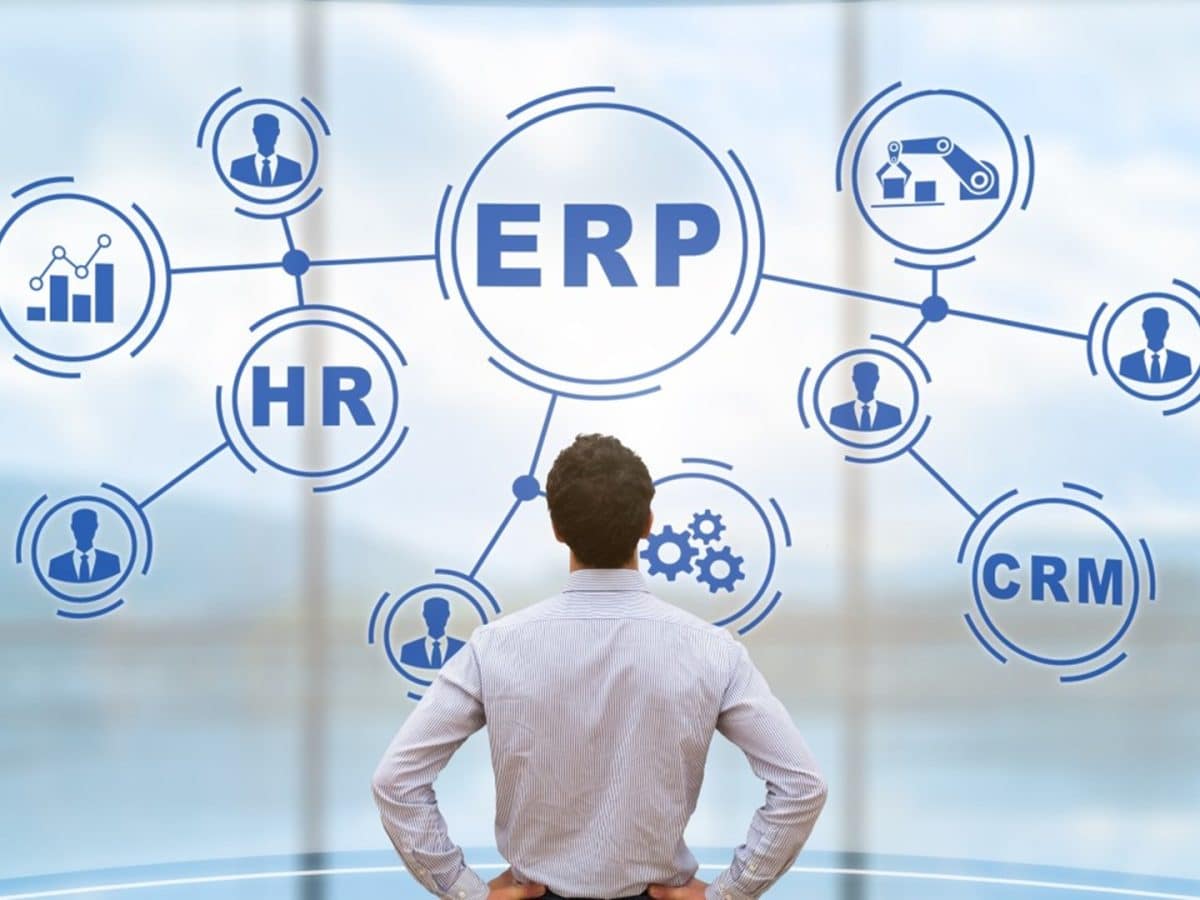
Building a robust Enterprise Resource Planning (ERP) system is a significant undertaking, akin to constructing a skyscraper. It requires a deep understanding of the bedrock principles, meticulous architectural planning, and a clear vision of the ultimate structure. Without these foundational pillars firmly in place, even the most ambitious ERP project is destined for instability and eventual collapse. The journey from concept to a fully functional ERP solution is paved with critical decisions that, when made correctly, ensure longevity, adaptability, and ultimately, business success.The success of any ERP system development hinges on a set of core principles and architectural considerations that guide its creation.
These principles are not merely abstract ideals but practical necessities for building platforms that can withstand the test of time and evolving business demands. At the heart of a resilient ERP system lies modularity. This principle dictates that the system should be composed of distinct, self-contained modules, each responsible for a specific business function (e.g., finance, human resources, supply chain management, manufacturing).
This approach offers significant advantages. Firstly, it allows for phased implementation, where organizations can deploy modules incrementally, reducing initial disruption and risk. Secondly, modularity simplifies maintenance and upgrades; a change or improvement in one module has minimal impact on others. This isolation also facilitates customization, enabling businesses to tailor specific modules to their unique workflows without compromising the integrity of the entire system.Equally crucial is scalability.
A successful ERP system must be designed to grow alongside the business it serves. This means anticipating future needs, whether they involve an increase in transaction volume, the addition of new users, expansion into new geographical markets, or the integration of new technologies. Architecturally, scalability can be achieved through various means, including the use of distributed systems, cloud-native architectures, and robust database design that can handle increasing data loads efficiently.
The system should be built on a flexible infrastructure that can adapt to changing hardware and software environments without requiring a complete overhaul. This often involves adopting service-oriented architecture (SOA) or microservices, which break down functionalities into smaller, independently deployable services that can be scaled individually. Furthermore, performance optimization techniques, such as efficient query design, indexing, and caching strategies, are vital to ensure that the system remains responsive even under heavy load.
The underlying technology stack should also be chosen with an eye towards future compatibility and the availability of skilled resources for maintenance and development. Ultimately, a modular and scalable ERP system is not just a tool; it’s a strategic asset that empowers an organization to adapt, innovate, and thrive in a dynamic business landscape.
Critical Business Process Identification and Mapping
Before any lines of code are written or any architectural diagrams are finalized, a thorough and meticulous understanding of the business processes is paramount. This phase, often referred to as business process identification and mapping, serves as the blueprint for the entire ERP development. It involves dissecting how the organization currently operates, identifying inefficiencies, and envisioning how an ERP system can streamline and optimize these workflows.
This is not a superficial exercise; it requires deep engagement with stakeholders across all departments to capture the nuances of their daily operations. The goal is to create a comprehensive and accurate representation of the “as-is” state, which then forms the basis for designing the “to-be” state, incorporating the functionalities of the new ERP system. Without this foundational understanding, the ERP system risks becoming a cumbersome overlay, failing to address the actual needs of the business and potentially creating more problems than it solves.Consider a hypothetical manufacturing scenario.
A company that produces custom machinery relies on a complex interplay of departments. The sales team takes an order, which then needs to be communicated to engineering for design, procurement for raw materials, production for assembly, quality control for inspection, and finally, logistics for shipping. Each of these steps involves numerous sub-processes, approvals, and data handoffs.The identification phase would involve workshops and interviews with sales representatives to understand how quotes are generated and orders are captured.
Engineering teams would detail their design processes, including CAD software usage and bill of materials (BOM) creation. Procurement would explain how they source components, manage vendor relationships, and track inventory levels. Production would Artikel their scheduling, shop floor management, and work-in-progress (WIP) tracking. Quality control would detail their inspection protocols and defect tracking. Logistics would map out their shipping, receiving, and freight management procedures.The mapping phase would then visually represent these processes using flowcharts, business process model and notation (BPMN) diagrams, or similar tools.
For instance, the sales order process might be mapped as: Sales Rep receives inquiry -> Enters details into CRM -> Generates quote -> Customer approves quote -> Sales Rep creates sales order in ERP -> Order details transmitted to Engineering.Crucially, this mapping process would also highlight pain points and inefficiencies in the current “as-is” state. Perhaps there are delays in order transmission, manual data re-entry leading to errors, lack of real-time inventory visibility for procurement, or poor communication between production and quality control.
The ERP development team would then use this detailed understanding to design the “to-be” state, where the ERP system automates these handoffs, provides real-time data access, enforces standard workflows, and offers dashboards for performance monitoring. For example, a sales order in the ERP could automatically trigger BOM creation in engineering, update inventory requirements in procurement, and generate a production schedule.
This detailed mapping ensures that the ERP system is not just a software package but a strategic enabler of efficient and effective business operations.
Distinct Phases in a Typical ERP Development Lifecycle
The development of an Enterprise Resource Planning (ERP) system is not a monolithic event but a structured journey comprising distinct, sequential phases, each with its own objectives and deliverables. This lifecycle is typically iterative, allowing for refinement and adaptation as the project progresses. Understanding these phases is crucial for effective project management, resource allocation, and ensuring that the final system aligns with business objectives.
The journey from a nascent idea to a fully operational and supported ERP solution involves a series of well-defined stages, each building upon the previous one.The ERP development lifecycle can be broadly categorized into the following distinct phases:
- Initiation and Planning: This is the genesis of the project. It involves defining the high-level objectives, scope, and feasibility of the ERP system. Key activities include conducting a needs assessment, identifying business challenges that the ERP will address, defining key performance indicators (KPIs) for success, and establishing a preliminary budget and timeline. A project charter is typically created, outlining the project’s vision, goals, and stakeholders.
This phase also involves selecting the development methodology (e.g., Agile, Waterfall) and assembling the core project team.
- Requirements Gathering and Analysis: This is where the detailed “what” of the ERP system is defined. Extensive workshops, interviews, and surveys are conducted with stakeholders from all relevant departments to elicit detailed functional and non-functional requirements. This phase involves creating comprehensive business process documentation, user stories, use cases, and system specifications. The outcome is a detailed requirements document that serves as the blueprint for the design and development phases.
- Design: Based on the approved requirements, the architectural and technical design of the ERP system takes shape. This includes defining the system’s architecture (e.g., modular, service-oriented), database schema, user interface (UI) and user experience (UX) design, integration strategies with existing systems, and security protocols. Prototyping and wireframing are often employed to visualize the system’s flow and user interactions. Technical specifications for each module and component are finalized.
- Development and Implementation: This is the core construction phase where the ERP system is built according to the design specifications. It involves coding, unit testing, and module integration. This phase often utilizes an iterative approach, with development cycles focused on delivering functional components incrementally. Simultaneously, data migration strategies are planned and executed, and the infrastructure for deployment is set up.
- Testing: Rigorous testing is critical to ensure the quality, functionality, and performance of the ERP system. This phase includes various types of testing:
- Unit Testing: Testing individual components or modules.
- Integration Testing: Verifying that different modules work together seamlessly.
- System Testing: Evaluating the entire system against the defined requirements.
- User Acceptance Testing (UAT): End-users test the system to ensure it meets their needs and expectations in real-world scenarios.
- Performance Testing: Assessing the system’s speed, responsiveness, and stability under various load conditions.
- Deployment: Once the system has passed all testing phases and received user acceptance, it is deployed into the production environment. This phase involves careful planning to minimize disruption to ongoing business operations. It may involve a phased rollout or a big-bang approach, depending on the organization’s strategy and risk tolerance. Training for end-users is a critical component of this phase.
- Post-Implementation Support and Maintenance: The lifecycle does not end with deployment. This phase involves ongoing support for users, bug fixing, performance monitoring, and regular system updates and upgrades. Continuous improvement is key, and feedback from users is collected to identify areas for enhancement. This phase ensures the ERP system remains relevant, efficient, and continues to deliver value to the organization over time.
Each of these phases emphasizes iterative refinement. For example, during development, feedback from early testing might lead to adjustments in the design or even a re-evaluation of certain requirements. Similarly, post-implementation, insights gained from user experience can inform future enhancements and module development, creating a continuous improvement loop.
Navigating the intricate landscape of technology choices for modern ERP solutions.
Choosing the right technological foundation is paramount for any successful ERP system development. This decision profoundly impacts not only the initial development effort and cost but also the long-term scalability, maintainability, and overall performance of the enterprise resource planning solution. As businesses increasingly rely on digital infrastructure, understanding the nuances of available technology options becomes a critical strategic imperative. This section delves into the core technological considerations, offering insights into the decision-making process for building robust and future-proof ERP systems.The modern ERP landscape is characterized by a diverse array of technologies, each offering distinct advantages and disadvantages.
From the fundamental decision of deployment model to the specific programming languages and database systems that power the application, every choice carries significant weight. A well-architected technology stack can empower businesses with agility and efficiency, while a poorly chosen one can lead to performance bottlenecks, security vulnerabilities, and costly overhauls. Therefore, a thorough evaluation of these components is essential for aligning ERP development with organizational goals and market demands.
Cloud-based versus On-premises ERP Development Approaches
The fundamental decision in ERP deployment revolves around whether to opt for a cloud-based solution or an on-premises installation. Each approach presents a unique set of trade-offs, influencing cost, control, scalability, and maintenance. Understanding these differences is crucial for selecting the deployment model that best aligns with a company’s operational needs, budget, and IT strategy.Cloud-based ERP development, often delivered as Software as a Service (SaaS), involves hosting the ERP software and its associated data on remote servers managed by a third-party vendor.
The primary advantage here is the significantly lower upfront investment, as businesses avoid the capital expenditure associated with purchasing hardware, software licenses, and setting up extensive IT infrastructure. Maintenance, updates, and security patching are typically handled by the vendor, freeing up internal IT resources. Scalability is another major benefit; cloud solutions can often be scaled up or down rapidly to accommodate fluctuating business demands, offering considerable flexibility.
For small to medium-sized businesses (SMBs) with limited IT budgets and expertise, cloud ERP is often an ideal choice, allowing them to access sophisticated functionalities without the burden of complex infrastructure management. For instance, a startup experiencing rapid growth can easily add more users or modules to their cloud ERP as their operations expand, a process that would be significantly more time-consuming and expensive with an on-premises system.
The disadvantages of cloud ERP include less direct control over the infrastructure and data, potential concerns about data security and privacy depending on the vendor, and ongoing subscription costs that can accumulate over time.On-premises ERP development, conversely, means that the ERP software is installed and runs on servers located within the organization’s own data center. This approach offers maximum control over the system, data, and security.
Companies can customize the software extensively to meet unique business processes and integrate it deeply with existing legacy systems. For large enterprises with stringent security and compliance requirements, or those operating in highly regulated industries, on-premises ERP provides the highest level of assurance. The upfront cost is substantially higher due to hardware, software licenses, and the need for a dedicated IT team to manage and maintain the system.
However, once implemented, the long-term operational costs might be more predictable, and there are no recurring subscription fees. The disadvantage lies in the inflexibility regarding scalability; expanding the system requires purchasing additional hardware and licenses, which can be a slow and costly process. For example, a multinational corporation with highly sensitive intellectual property and complex, industry-specific workflows might opt for an on-premises solution to ensure complete data sovereignty and granular control over their ERP environment.
The responsibility for all updates, maintenance, and disaster recovery also falls on the internal IT department, requiring significant investment in skilled personnel and infrastructure.
Favored Programming Languages, Frameworks, and Database Technologies for ERP Systems
Developing high-performance and secure ERP systems necessitates a careful selection of programming languages, frameworks, and database technologies. These components form the backbone of the application, dictating its speed, reliability, security, and ability to handle complex business logic and vast amounts of data. The current industry trend favors technologies that offer robustness, extensive community support, and efficient development cycles, ensuring that the ERP system can evolve with the business.For backend development, languages like Java and C# are highly favored due to their maturity, strong type systems, and extensive libraries that facilitate the development of complex, enterprise-grade applications.
Java, with its “write once, run anywhere” philosophy, and its robust ecosystem of frameworks like Spring, is excellent for building scalable and maintainable backend services. Spring Boot, in particular, simplifies the setup and development of production-ready Spring applications, making it a popular choice for microservices architectures often employed in modern ERPs. C#, often used with the .NET framework, offers similar advantages in terms of performance, security, and a rich set of tools for building enterprise applications.
The .NET ecosystem, including ASP.NET Core, provides a powerful platform for developing high-performance web applications and APIs. Python, while sometimes perceived as slower, is increasingly used for its rapid development capabilities and extensive libraries for data analysis and machine learning, which are becoming integral to ERP functionalities. Frameworks like Django and Flask offer structure and efficiency for Python-based development.On the database front, relational database management systems (RDBMS) remain the cornerstone for ERP systems due to their ACID (Atomicity, Consistency, Isolation, Durability) compliance, which ensures data integrity and reliability.
PostgreSQL and MySQL are leading open-source RDBMS options, offering robust features, scalability, and excellent performance at a lower cost compared to commercial alternatives like Oracle or SQL Server. PostgreSQL is renowned for its extensibility and advanced features, making it suitable for complex data structures and analytical workloads. MySQL is widely adopted for its speed and ease of use. For very large-scale deployments or those requiring extreme transactional throughput, enterprise-grade RDBMS like Oracle Database or Microsoft SQL Server are often considered, though they come with significant licensing costs.
NoSQL databases, such as MongoDB for document storage or Redis for caching, are increasingly being integrated for specific use cases within an ERP, such as handling unstructured data or improving application responsiveness, but the core transactional data typically resides in an RDBMS.
Conceptual Technology Stack for a New ERP System Targeting Small to Medium-Sized Businesses
Designing an ERP system for SMBs requires a delicate balance between providing comprehensive functionality and maintaining cost-effectiveness and ease of use. The technology stack must be robust enough to handle core business processes but also agile and affordable, allowing SMBs to leverage powerful tools without overwhelming their budgets or IT resources. The following conceptual technology stack prioritizes open-source solutions and cloud-native principles to achieve optimal cost-effectiveness and functionality.For the frontend, a modern JavaScript framework like React or Vue.js would be ideal.
Find out further about the benefits of accounting and business management software that can provide significant benefits.
These frameworks enable the development of dynamic, responsive, and user-friendly interfaces that can be easily maintained and extended. Their component-based architecture promotes code reusability and faster development cycles, which is crucial for SMBs that need to adapt quickly. For example, React’s virtual DOM efficiently updates the UI, providing a smooth user experience even with complex data visualizations common in ERP dashboards.The backend would leverage a Python-based framework, such as Django.
Python’s readability and extensive libraries, coupled with Django’s “batteries-included” philosophy, allow for rapid development of secure and scalable web applications. Django’s built-in ORM (Object-Relational Mapper) simplifies database interactions, and its robust security features help protect against common web vulnerabilities. For instance, Django’s built-in protection against CSRF (Cross-Site Request Forgery) and XSS (Cross-Site Scripting) attacks are invaluable for an ERP system handling sensitive business data.The database choice would be PostgreSQL.
As a powerful, open-source RDBMS, PostgreSQL offers exceptional reliability, data integrity, and a rich feature set that rivals many commercial databases. Its support for advanced data types and extensibility makes it suitable for a wide range of business needs, from simple accounting to more complex inventory management. Its cost-effectiveness is a significant advantage for SMBs.For deployment, a cloud-based approach using a platform like Heroku or AWS Elastic Beanstalk would be recommended.
These managed services abstract away much of the infrastructure complexity, allowing SMBs to focus on their business rather than server management. They offer automatic scaling, integrated monitoring, and straightforward deployment pipelines, significantly reducing operational overhead. For example, Heroku’s pay-as-you-go model ensures that SMBs only pay for the resources they consume, aligning perfectly with budget constraints. Containerization with Docker and orchestration with Kubernetes, while potentially more complex initially, could be introduced for enhanced scalability and portability as the SMB grows, offering a path for future expansion without a complete technology overhaul.
This stack provides a solid foundation that is both functional and economically viable for small to medium-sized businesses.
Orchestrating a seamless user experience within complex enterprise resource planning environments.
In the realm of ERP system development, the most sophisticated technology and robust functionalities can fall flat if users struggle to interact with the system effectively. The user interface (UI) and user experience (UX) are not mere afterthoughts; they are foundational elements that dictate the success or failure of an ERP implementation. A well-designed ERP should feel like an extension of the user’s workflow, not a cumbersome obstacle.
This means moving beyond simply presenting data to actively guiding users, minimizing cognitive load, and ensuring tasks can be completed efficiently and with minimal error. The goal is to foster adoption, reduce training overhead, and ultimately empower employees to leverage the full potential of the system, driving productivity and business value.The paramount importance of intuitive UI and UX design in ERP development cannot be overstated.
When an ERP system is difficult to navigate, visually cluttered, or requires excessive steps to complete simple tasks, it breeds frustration and resistance among employees. This can manifest in several ways, including a reluctance to use the system, reliance on manual workarounds (which defeats the purpose of an integrated system), and an increased likelihood of data entry errors. For instance, consider a sales team trying to input a new customer order.
If the interface is convoluted, with fields scattered illogically and required information buried deep within menus, they might resort to spreadsheets or paper forms, leading to data silos and delayed order processing. Similarly, a finance department struggling with a poorly designed expense reporting module might experience delays in reimbursement, impacting employee morale and financial reporting accuracy.Historical examples of poor ERP design leading to user adoption issues are abundant.
Many early ERP systems were developed with a strong focus on back-end logic and data integrity, often at the expense of user-friendliness. This resulted in systems that were powerful but intimidating, requiring extensive training and often leading to low user engagement. A classic scenario involved complex navigation trees that were difficult to memorize, forcing users to constantly consult manuals or seek help from IT departments.
Another common pitfall was the lack of consistent design patterns across different modules, meaning users had to learn new interaction paradigms for each function. This inconsistency created a steep learning curve and contributed to the perception of ERP systems as being overly technical and inaccessible to the average business user. The cost of poor UX extends beyond user frustration; it translates into lost productivity, increased support costs, and a failure to realize the intended return on investment for the ERP software.
Incorporating User Feedback and Usability Testing
Ensuring a user-centric ERP product hinges on a continuous cycle of incorporating user feedback and conducting rigorous usability testing throughout the development process. This iterative approach allows development teams to identify and address potential usability issues early on, before they become deeply embedded in the system and costly to rectify. By actively involving end-users from the initial design phases through to post-implementation, organizations can build an ERP that not only meets functional requirements but also resonates with the daily needs and workflows of its users.
This proactive engagement fosters a sense of ownership and collaboration, making users feel heard and valued, which significantly boosts adoption rates and overall system satisfaction.Several effective methods can be employed to integrate user feedback and conduct comprehensive usability testing:
- User Interviews and Workshops: Conducting in-depth interviews with representative users from different departments (e.g., finance, operations, sales, HR) at the outset of the project helps to understand their current processes, pain points, and expectations for the new ERP system. Workshops can further refine these insights by facilitating group discussions and collaborative brainstorming sessions on desired features and workflows.
- Persona Development: Creating detailed user personas based on research and interviews helps the development team empathize with different user types. These personas include their roles, goals, technical proficiency, and typical daily tasks, providing a constant reference point for design decisions.
- Wireframing and Prototyping: Developing low-fidelity wireframes and interactive prototypes allows users to visualize and interact with the proposed system design before significant development effort is invested. Early feedback on these prototypes can identify fundamental usability flaws in navigation, layout, and information architecture.
- Usability Testing Sessions: Formal usability testing involves observing real users as they attempt to complete specific tasks within the ERP system (or its prototypes). This can be done in a controlled lab environment or remotely. Observers record user actions, identify points of confusion, and gather qualitative feedback on their experience.
- A/B Testing: For specific design elements or workflow variations, A/B testing can be employed to compare the performance of different UI options with actual users, determining which design leads to more efficient task completion or higher satisfaction.
- Beta Testing Programs: Before a full rollout, a beta testing program allows a select group of end-users to work with a near-final version of the ERP system in their real work environments. This provides invaluable feedback on performance, bugs, and overall usability in live conditions.
- Post-Implementation Feedback Channels: Establishing clear channels for ongoing feedback after the ERP is live, such as in-system feedback forms, dedicated support lines, or regular user forums, is crucial for continuous improvement and addressing emergent issues.
Best Practices for Designing Dashboards and Reporting Modules, Erp system development
Effective dashboards and reporting modules within an ERP system are critical for transforming raw data into actionable insights that empower users across diverse roles. The design should prioritize clarity, relevance, and the ability to facilitate informed decision-making. This means presenting information in a visually digestible format, tailoring views to specific user needs, and ensuring that reports can be easily generated, understood, and acted upon.
The ultimate goal is to provide users with the right information, at the right time, in a format that enables them to quickly grasp key trends, identify potential issues, and capitalize on opportunities, thereby driving business performance.Here are a set of best practices for designing dashboards and reporting modules within an ERP system:
- Role-Based Customization: Dashboards should be configurable to display information most relevant to each user’s role. For example, a finance dashboard might focus on P&L, cash flow, and budget variances, while an operations dashboard would highlight inventory levels, production schedules, and on-time delivery rates, and a sales dashboard would show pipeline value, conversion rates, and customer acquisition costs.
- Key Performance Indicator (KPI) Focus: Prioritize the display of critical KPIs that directly reflect the performance of a department or the overall business. These KPIs should be clearly labeled, with their current status and historical trends readily visible.
- Visual Appeal and Clarity: Utilize charts, graphs, and color-coding effectively to make complex data easily understandable at a glance. Avoid overwhelming users with too much information on a single screen. Use clear, concise labels and tooltips to provide additional context.
- Drill-Down Capabilities: Allow users to “drill down” from summary-level data on a dashboard to more detailed reports or underlying transactional data. This enables users to investigate anomalies or explore specific areas of interest without leaving the system.
- Actionable Insights and Alerts: Design dashboards to not only present data but also to highlight areas requiring attention. This can be achieved through threshold alerts, exception reporting, and clear calls to action. For instance, an inventory dashboard could alert operations managers when stock levels for a critical item fall below a reorder point.
- Real-Time or Near Real-Time Data: Wherever possible, dashboards and reports should reflect the most up-to-date information. Stale data can lead to poor decisions. The frequency of data updates should be clearly communicated.
- User-Friendly Report Generation: Make it easy for users to generate ad-hoc reports or customize existing ones. This includes intuitive filtering options, sorting capabilities, and the ability to export data in various formats (e.g., CSV, Excel, PDF).
- Consistency in Design and Terminology: Maintain a consistent visual style and use standardized terminology across all dashboards and reports to ensure a unified and predictable user experience.
- Performance Optimization: Ensure that dashboards and reports load quickly, even with large datasets. Slow performance can lead to user frustration and abandonment.
- Mobile Responsiveness: For many roles, access to key information on mobile devices is essential. Dashboards and reports should be designed to be responsive and accessible on various screen sizes.
Integrating disparate business functions into a cohesive enterprise resource planning framework.: Erp System Development
The true power of an Enterprise Resource Planning (ERP) system is realized when it transcends being a mere collection of software modules and instead acts as a unified nervous system for an entire organization. This integration is not simply about connecting different departments; it’s about fostering a symbiotic relationship where information flows freely, processes are streamlined, and decision-making is empowered by a single source of truth.
Achieving this operational synergy requires a strategic and methodical approach, moving beyond siloed thinking to embrace a holistic view of business operations. It’s about understanding how finance impacts supply chain, how HR influences customer service, and how all these interconnected elements contribute to the overarching business objectives. This transformation from disparate functions to a cohesive framework is the cornerstone of a successful ERP implementation, unlocking efficiencies and driving competitive advantage.Successfully integrating diverse business functions within an ERP system is a complex but achievable goal, demanding careful planning and execution.
The objective is to create a seamless flow of information and processes across traditionally separate departments like finance, human resources, supply chain management, and customer relationship management. This integration fosters operational synergy by eliminating redundant data entry, reducing errors, and providing real-time visibility into critical business metrics. For instance, when a sales order is entered into the CRM module, it should automatically trigger inventory checks in the supply chain module, update financial forecasts in the finance module, and potentially flag resource needs in the HR module.
This interconnectedness ensures that decisions made in one area are informed by the realities of others, leading to more agile and effective operations. The strategic approach involves mapping out current business processes, identifying areas of overlap and potential conflict, and then designing workflows that leverage the ERP’s integrated capabilities. This might involve standardizing common data elements, defining clear roles and responsibilities for data ownership, and establishing governance policies to maintain data integrity across all modules.
The ultimate aim is to create a unified ecosystem where each module contributes to and benefits from the collective intelligence of the system, driving efficiency and strategic alignment.
Strategic Approaches to Integrating Business Functions
Integrating various modules within an ERP system, such as finance, human resources, supply chain, and customer relationship management, is pivotal for achieving operational synergy. This involves a deliberate strategy to break down departmental silos and create a unified operational landscape. The core principle is to ensure that data and processes are not isolated but rather flow seamlessly between modules, providing a holistic view of the business.
This interconnectedness allows for improved decision-making, enhanced efficiency, and greater agility in responding to market changes. For example, linking sales forecasts from CRM directly to production planning in supply chain management ensures that manufacturing aligns with demand, minimizing both stockouts and excess inventory. Similarly, HR data, such as employee skill sets and availability, can inform project staffing decisions within the project management module, directly impacting resource allocation and project timelines.Several strategic approaches facilitate this integration:
- Process Harmonization: This involves analyzing and standardizing business processes across different departments. Instead of adapting the ERP to existing, potentially inefficient, departmental processes, organizations should aim to harmonize their workflows to align with best practices embedded within the ERP. This might mean redefining how purchase orders are approved, how customer complaints are handled, or how employee onboarding is managed, ensuring consistency and efficiency.
- Data-Centric Integration: The ERP system acts as a central repository for critical business data. Therefore, integrating modules means ensuring that this data is accurate, consistent, and accessible across all relevant modules. This involves establishing a common data model and defining master data management strategies to govern key information like customer details, product specifications, and financial chart of accounts.
- Workflow Automation: Leveraging the ERP’s workflow capabilities is crucial. This means automating routine tasks and approvals that span multiple modules. For instance, an invoice approval process can be automated to route to the relevant department heads for sign-off, automatically update financial records upon approval, and trigger payment processing, all within the ERP framework.
- Role-Based Access and Dashboards: While integration focuses on data flow, ensuring that users see relevant information is key. Role-based access controls and customized dashboards provide employees with the specific data and tools they need for their roles, derived from the integrated system. This prevents information overload and allows for focused decision-making.
- Cross-Functional Teams: During the implementation and ongoing management of the ERP, establishing cross-functional teams that include representatives from all integrated departments is vital. These teams can identify integration challenges, prioritize development efforts, and ensure that the system continues to meet the evolving needs of all business units.
Data Standardization and Migration Strategies for Integration
The success of integrating different ERP components and legacy systems hinges critically on robust data standardization and well-defined migration strategies. Without these foundational elements, the promise of operational synergy remains an elusive goal, often leading to data inconsistencies, errors, and a fragmented view of business operations. Data standardization ensures that information is represented uniformly across all systems, regardless of its origin or the module it resides in.
This uniformity is essential for accurate reporting, effective analysis, and seamless process automation. For instance, if customer addresses are entered in different formats (e.g., “Street” vs. “St.”, “Avenue” vs. “Ave.”), integrating these records becomes a monumental task, potentially leading to duplicate entries or incorrect shipments.Data migration, on the other hand, is the process of transferring data from existing systems (legacy or otherwise) into the new ERP environment.
This is not merely a copy-paste operation; it requires meticulous planning to cleanse, transform, and validate data before it’s loaded into the ERP. A poorly executed migration can introduce corrupted or incomplete data into the new system, undermining its integrity from day one.Key aspects of data standardization and migration include:
- Data Cleansing and Profiling: Before migration, existing data must be thoroughly analyzed to identify and rectify inaccuracies, duplicates, and inconsistencies. Data profiling tools can help understand the quality and structure of the data, highlighting areas that require attention. This might involve standardizing naming conventions, correcting erroneous entries, and removing obsolete records.
- Data Mapping: This involves defining how data fields in the legacy systems correspond to fields in the new ERP system. A clear mapping document is crucial for ensuring that data is translated correctly during the migration process. For example, a “Customer ID” field in an old CRM might map to a “Client Number” field in the new ERP.
- Transformation Rules: Often, data needs to be transformed to fit the new ERP’s structure or format. This could involve converting units of measure, reformatting dates, or aggregating data. Establishing clear transformation rules ensures that data is consistent and usable within the ERP.
- Phased Migration: For large and complex datasets, a phased migration approach is often recommended. This involves migrating data in stages, starting with less critical data or specific modules, allowing for testing and validation at each step. This minimizes disruption and allows for adjustments to the migration plan as needed.
- Data Validation: Post-migration, rigorous validation is essential to confirm that all data has been transferred accurately and completely. This involves comparing data in the new system against source data and performing reconciliation checks to identify any discrepancies.
- Master Data Management (MDM): Establishing an MDM strategy is vital for ongoing data integrity. This involves defining authoritative sources for key data elements (e.g., customer, product, employee) and implementing processes to ensure that this master data is accurate, consistent, and synchronized across all integrated systems.
Developing and Implementing APIs for Seamless Data Exchange
Developing and implementing Application Programming Interfaces (APIs) is a cornerstone for facilitating seamless data exchange between an ERP system and external applications or third-party services. APIs act as intermediaries, enabling different software systems to communicate with each other in a standardized and secure manner. In the context of ERP, this means that critical business data and functionalities residing within the ERP can be accessed and utilized by other applications, and vice-versa, without requiring direct, complex integrations for every interaction.
This capability is vital for modern businesses that rely on a diverse ecosystem of specialized software, from e-commerce platforms and shipping carriers to marketing automation tools and business intelligence solutions.The procedure for developing and implementing APIs for an ERP system involves several distinct phases:
Phase 1: Planning and Design
This initial phase sets the foundation for successful API development. It involves understanding the business requirements, identifying the data and functionalities that need to be exposed or consumed, and defining the scope of the API.
- Requirement Gathering: Collaborate with stakeholders from relevant business units (e.g., sales, logistics, finance) and external partners to identify specific integration needs. This involves understanding what data needs to be shared, what actions need to be performed, and the desired frequency of data exchange.
- API Strategy Definition: Determine the type of APIs to be developed (e.g., RESTful, SOAP) based on industry standards, security requirements, and the capabilities of the consuming applications. RESTful APIs are generally preferred for their simplicity and scalability.
- Data Model and Endpoint Design: Define the structure of the data that will be exchanged (e.g., JSON, XML) and design the API endpoints (URLs) that will be used to access specific resources or perform actions within the ERP. This includes defining request and response formats.
- Security and Authentication: Establish robust security measures, including authentication (e.g., OAuth, API keys) and authorization protocols, to ensure that only authorized applications can access the ERP data and functionalities. Data encryption is also paramount.
- Versioning Strategy: Plan for API versioning to allow for future updates and enhancements without disrupting existing integrations. This ensures backward compatibility and a smooth transition for consumers of the API.
Phase 2: Development and Testing
This phase involves the actual creation of the APIs and thorough testing to ensure their functionality, reliability, and performance.
- API Development: Develop the API code based on the defined specifications, leveraging the ERP system’s development framework or middleware. This often involves writing code to interact with the ERP’s database or business logic layers.
- Unit Testing: Conduct unit tests to verify the functionality of individual API components and methods.
- Integration Testing: Test the integration between the ERP and the external applications to ensure that data is exchanged correctly and that business processes are executed as expected. This might involve simulating real-world scenarios.
- Performance and Load Testing: Assess the API’s performance under various load conditions to ensure it can handle the expected volume of requests without degradation in speed or reliability.
- Security Testing: Conduct penetration testing and vulnerability assessments to identify and address any security weaknesses in the API.
Phase 3: Deployment and Management
Once the APIs are developed and thoroughly tested, they need to be deployed and managed effectively.
- Deployment: Deploy the APIs to a production environment, typically through an API gateway that manages traffic, security, and monitoring.
- Documentation: Provide comprehensive API documentation, including details on endpoints, request/response formats, authentication methods, and error codes. This is crucial for developers who will be consuming the APIs.
- Monitoring and Analytics: Implement monitoring tools to track API usage, performance, and errors. Analytics provide insights into how the APIs are being used and identify areas for optimization.
- Lifecycle Management: Establish processes for managing the API lifecycle, including updates, deprecation, and retirement, ensuring that integrations remain functional and secure over time.
By following this structured approach, organizations can create a robust and flexible integration layer that unlocks the full potential of their ERP system, enabling seamless data flow and fostering innovation through interconnected applications.
Safeguarding sensitive organizational data throughout the enterprise resource planning development and deployment.

In today’s digital landscape, the security of sensitive organizational data is paramount, especially when dealing with comprehensive systems like ERP. The development and deployment phases of an ERP system are critical junctures where robust security measures must be meticulously integrated to form an impenetrable defense against a growing array of cyber threats and potential data breaches. A proactive approach to security, rather than a reactive one, is essential to building trust and ensuring business continuity.
This involves a multi-layered strategy that encompasses everything from secure coding practices to rigorous testing and continuous monitoring. The potential consequences of a data breach – financial loss, reputational damage, and legal repercussions – underscore the absolute necessity of embedding security at the very core of ERP development.The integrity and confidentiality of an organization’s data are directly tied to the effectiveness of the security protocols implemented within its ERP system.
These systems often house a vast amount of critical information, including financial records, customer details, employee data, and proprietary business strategies. Therefore, protecting this data from unauthorized access, modification, or theft is not merely a technical requirement but a fundamental business imperative. A comprehensive security framework ensures that the ERP system acts as a secure repository and processing engine for vital business operations, thereby mitigating risks and fostering a secure operational environment.
Comprehensive security measures and protocols for ERP system development
Protecting an ERP system from cyber threats and data breaches requires a holistic and layered approach, weaving security into every stage of the development lifecycle. This begins with secure coding practices, where developers are trained to write code that is resilient to common vulnerabilities such as SQL injection, cross-site scripting (XSS), and buffer overflows. Regular code reviews and static application security testing (SAST) tools are instrumental in identifying and rectifying potential weaknesses before they can be exploited.
Furthermore, dynamic application security testing (DAST) should be employed to simulate real-world attacks on the running application, uncovering vulnerabilities that might be missed by static analysis.Data encryption is another cornerstone of ERP security. Sensitive data, both in transit (e.g., over networks) and at rest (e.g., in databases), should be encrypted using strong, industry-standard algorithms like AES-256. This ensures that even if unauthorized access to the data occurs, the information remains unreadable without the decryption key.
Key management is a critical component of encryption; robust processes for generating, storing, and rotating encryption keys are vital to maintaining the integrity of the encryption itself.Regular security audits and penetration testing are indispensable for identifying vulnerabilities that might have emerged over time or been introduced through updates and integrations. These tests should be conducted by independent security experts who simulate sophisticated attacks to probe the system’s defenses.
The findings from these audits must be promptly addressed, with patches and updates deployed to close any identified security gaps. Moreover, a robust incident response plan is crucial. This plan Artikels the steps to be taken in the event of a security breach, including containment, eradication, recovery, and post-incident analysis, to minimize damage and prevent future occurrences.Continuous monitoring and logging are also essential.
Comprehensive logging of all system activities, including user access, data modifications, and security events, provides an audit trail that can be used to detect suspicious behavior and investigate security incidents. Security Information and Event Management (SIEM) systems can aggregate and analyze these logs, providing real-time alerts for potential threats. Finally, keeping all software components, including the operating system, database, and third-party libraries, up-to-date with the latest security patches is a non-negotiable practice to prevent exploitation of known vulnerabilities.
Access control mechanisms and user permission strategies
The effectiveness of an ERP system’s security hinges significantly on its access control mechanisms and meticulously defined user permission strategies. These are the gatekeepers that determine who can access what information and perform which actions within the system, thereby maintaining data integrity and ensuring confidentiality. A well-designed access control system prevents unauthorized users from viewing or manipulating sensitive data, which is particularly critical for financial, HR, and customer relationship management modules.The principle of least privilege is fundamental to effective access control.
This means that users are granted only the minimum level of access and permissions necessary to perform their specific job functions. For example, a sales representative might need access to customer contact information and order history, but not to financial statements or payroll data. This granular approach significantly reduces the attack surface and limits the potential damage if a user’s account is compromised.
Role-based access control (RBAC) is a widely adopted strategy that simplifies the management of permissions. Instead of assigning permissions to individual users, permissions are grouped into roles, and users are then assigned to these roles. This streamlines the process of granting and revoking access, especially in large organizations with a dynamic workforce.Multi-factor authentication (MFA) is another critical layer of defense.
By requiring users to provide multiple forms of verification – such as a password, a one-time code from a mobile app, or a fingerprint scan – MFA significantly enhances security and makes it much harder for unauthorized individuals to gain access, even if they have compromised a user’s password. Furthermore, robust password policies, including complexity requirements, regular expiry, and prohibiting the reuse of old passwords, should be enforced.Regular audits of user access and permissions are essential to ensure that the access controls remain effective and aligned with current business needs.
This includes reviewing who has access to critical data, identifying any dormant accounts, and verifying that permissions are still appropriate for current roles. Session management, including timeouts for inactive sessions and secure logout procedures, also plays a vital role in preventing unauthorized access through unattended workstations. Ultimately, a dynamic and continuously reviewed access control framework is key to safeguarding data integrity and maintaining the confidentiality of sensitive information within the ERP environment.
Regulatory compliance considerations for ERP systems
Developing ERP systems that handle personal or sensitive business information necessitates a deep understanding and adherence to a complex web of regulatory compliance requirements. These regulations are designed to protect individuals’ privacy and ensure the secure handling of data, and failure to comply can result in severe penalties, including substantial fines, legal action, and significant damage to an organization’s reputation.
Developers must proactively integrate compliance into the design and functionality of the ERP system from its inception.One of the most prominent regulations is the General Data Protection Regulation (GDPR), which applies to organizations that process the personal data of individuals in the European Union. GDPR mandates strict rules regarding the collection, processing, storage, and deletion of personal data, emphasizing principles like data minimization, purpose limitation, and the right to be forgotten.
For ERP systems, this means ensuring that personal data is collected only for specified, explicit, and legitimate purposes, and that mechanisms are in place to allow individuals to access, rectify, or erase their data. Data breach notification requirements under GDPR are also stringent, necessitating prompt reporting to supervisory authorities and affected individuals.Another significant regulation, particularly relevant in the healthcare sector, is the Health Insurance Portability and Accountability Act (HIPAA) in the United States.
HIPAA sets standards for the protection of sensitive patient health information (PHI). ERP systems used by healthcare providers or organizations that handle PHI must implement robust security measures to ensure the confidentiality, integrity, and availability of this data. This includes technical safeguards like access controls, audit controls, and encryption, as well as administrative safeguards such as security awareness training and risk assessments.Beyond these widely known regulations, many other industry-specific and regional data protection laws exist.
For instance, the California Consumer Privacy Act (CCPA) provides California residents with rights concerning their personal information. Developers must also consider financial regulations, such as the Payment Card Industry Data Security Standard (PCI DSS) if the ERP system handles credit card information, which imposes strict security requirements for cardholder data. A thorough understanding of the target market and the types of data the ERP system will process is crucial for identifying all applicable compliance obligations.
This involves conducting privacy impact assessments (PIAs) and security risk analyses throughout the development lifecycle to identify and mitigate potential compliance risks.
Architecting for future adaptability and continuous enhancement of enterprise resource planning solutions.

Building an ERP system is not a one-time project; it’s an ongoing journey. The business landscape is in constant flux, driven by market demands, technological advancements, and evolving regulatory environments. Therefore, an ERP solution must be designed with inherent flexibility and a clear path for continuous improvement to remain relevant and valuable. This involves adopting modern development methodologies and strategic planning for future integrations and enhancements.The success of any ERP system hinges on its ability to adapt and evolve alongside the organization it serves.
This adaptability is not an afterthought but a core design principle. It ensures that the system remains a strategic asset, capable of supporting new business initiatives, incorporating cutting-edge technologies, and maintaining peak operational efficiency over its lifecycle.
Agile Development and DevOps for ERP Evolution
The principles of agile development and DevOps are fundamental to the ongoing evolution and maintenance of ERP systems, enabling rapid response to changing business needs. Traditional, waterfall-style ERP implementations often struggled with inflexibility, leading to lengthy upgrade cycles and difficulty in incorporating immediate business adjustments. Agile methodologies, on the other hand, break down development into smaller, iterative cycles, allowing for continuous feedback and adaptation.
This means that new features or modifications can be developed, tested, and deployed much more quickly, directly addressing emerging business requirements without disrupting the entire system.DevOps practices complement agile by fostering collaboration between development and operations teams. This synergy ensures that the operational aspects of the ERP, such as deployment, monitoring, and maintenance, are integrated into the development lifecycle from the outset.
For ERP systems, this translates to more frequent, reliable, and less risky deployments of updates and new functionalities. Automated testing, continuous integration, and continuous delivery pipelines are key components of DevOps that significantly reduce the time and effort required to release changes. For instance, if a new compliance regulation is enacted, an agile and DevOps-driven ERP team can rapidly develop and deploy the necessary system adjustments, whereas a traditional approach might take months or even years.
This agility is crucial for businesses operating in fast-paced industries.
“The ability to adapt is not just a feature; it’s a fundamental requirement for long-term ERP success.”
The benefits extend beyond speed. By embracing iterative development, stakeholders are involved throughout the process, ensuring that the ERP system consistently aligns with business objectives. This collaborative approach minimizes the risk of building features that don’t meet user needs or market demands. Furthermore, a strong DevOps culture promotes a proactive approach to issue resolution. Instead of waiting for problems to arise, systems are continuously monitored, and potential issues are identified and addressed early, often before they impact end-users.
This proactive maintenance significantly enhances system stability and user satisfaction, making the ERP a more reliable and trusted platform for critical business operations.
Strategies for Building ERP System Extensibility
Building extensibility into an ERP system is crucial for allowing the addition of new functionalities and custom modules without compromising core system stability. An extensible ERP design anticipates future needs and provides well-defined interfaces and frameworks that allow for seamless integration of custom components. This avoids the need for costly and risky core system modifications when new business processes or requirements emerge.
One primary strategy is the use of modular architecture. This involves designing the ERP as a collection of independent, loosely coupled modules that communicate through standardized APIs. Each module can be developed, updated, or replaced independently, reducing dependencies and increasing flexibility.Another key strategy is the adoption of a robust API-first approach. This means that the ERP system exposes a comprehensive set of APIs that allow external applications and custom modules to interact with its data and functionalities in a controlled manner.
These APIs act as secure gateways, ensuring that data integrity and system performance are maintained. For example, a company might develop a custom customer loyalty program module that needs to access sales data and update customer profiles. With a well-designed API, this custom module can be built and integrated without touching the core sales or customer management modules of the ERP, preserving their stability.
“Extensibility is the bedrock of an ERP’s longevity, transforming it from a static system into a dynamic platform for growth.”
Furthermore, employing a plugin or extension architecture is vital. This allows developers to create add-ons that extend the ERP’s capabilities without altering the original codebase. These plugins can be developed and deployed independently, and the ERP system is designed to discover and integrate them automatically. This is particularly useful for niche functionalities or industry-specific requirements that may not be part of the standard ERP offering.
For instance, a manufacturing company might require a specialized quality control module. Instead of customizing the core ERP, they can develop a plugin that integrates with the production and inventory modules, adding the necessary quality checks and reporting. This approach ensures that the core system remains stable and upgradeable, while the custom functionalities can be evolved or replaced as needed, providing a cost-effective and agile solution for long-term business needs.
Expand your understanding about accounting erp with the sources we offer.
Roadmap for Incorporating Emerging Technologies in ERP Development
A strategic roadmap for incorporating emerging technologies like artificial intelligence (AI) and machine learning (ML) into ERP system development is essential for driving future innovation and efficiency. This roadmap should Artikel a phased approach, starting with identifying high-impact use cases and gradually integrating these technologies into both new and existing ERP systems. The initial phase often involves data preparation and exploration.
This includes identifying relevant data sources within the ERP, cleaning and structuring this data, and establishing robust data governance practices. AI and ML models are heavily reliant on high-quality data, so this foundational step is critical. For example, an organization might begin by analyzing historical sales data to identify patterns that predict future demand more accurately.The next phase typically focuses on pilot projects and proof-of-concept implementations.
When investigating detailed guidance, check out best accounting software for inventory now.
This allows organizations to test the feasibility and value of AI/ML in specific ERP contexts without a full-scale commitment. Common pilot areas include predictive maintenance for manufacturing equipment, intelligent automation of repetitive tasks like invoice processing, and enhanced customer service through AI-powered chatbots. For instance, a company could implement an ML model to predict equipment failures in their factory, enabling proactive maintenance and reducing costly downtime.
This pilot would focus on integrating the ML model with the ERP’s maintenance and inventory modules.
“The future of ERP is intelligent, leveraging AI and ML to transform data into actionable insights and automated processes.”
As pilot projects prove successful, the roadmap progresses to broader integration and scaling. This involves embedding AI/ML capabilities directly into core ERP modules or developing dedicated AI-powered extensions. For new ERP development, AI/ML capabilities should be considered from the architectural design phase, ensuring that the system is built to natively support these technologies. For existing systems, this might involve developing APIs to connect to external AI/ML platforms or integrating AI/ML libraries directly into the ERP’s codebase.
A long-term vision might include developing a comprehensive AI-driven supply chain optimization module that uses ML to forecast demand, manage inventory levels, and dynamically adjust logistics in real-time, significantly improving efficiency and reducing costs across the entire supply chain. This phased integration ensures that the organization can gradually build its AI/ML capabilities, manage risks, and realize the transformative potential of these technologies within its ERP ecosystem.
Outcome Summary
In essence, the creation of an ERP system is a sophisticated endeavor that demands a holistic approach. By meticulously addressing foundational pillars, technological landscapes, user experience, integration strategies, robust security measures, and future adaptability, organizations can forge ERP solutions that not only streamline operations but also empower innovation and sustainable growth. The journey from concept to a fully integrated ERP is a testament to strategic planning, technological prowess, and a deep understanding of business needs.
FAQ Guide
What is the average cost of developing a custom ERP system?
The cost of developing a custom ERP system can vary dramatically, ranging from tens of thousands to millions of dollars, depending on the complexity, features, integrations, and the development team’s location and expertise. Factors like the size of the business, industry-specific requirements, and the chosen technology stack significantly influence the final price.
How long does it typically take to develop an ERP system?
The development timeline for an ERP system is also highly variable. A basic system might take several months, while a highly customized and integrated solution for a large enterprise could take years. The process typically involves phases of planning, design, development, testing, and deployment, each contributing to the overall duration.
What are the main challenges in ERP system development?
Key challenges include accurately identifying and mapping business processes, managing scope creep, ensuring seamless integration with existing systems, achieving user adoption, data migration complexities, and maintaining robust security. Overcoming these requires strong project management, clear communication, and a user-centric approach.
Is it better to buy an off-the-shelf ERP or develop a custom one?
The choice depends on specific business needs. Off-the-shelf ERPs are generally faster to implement and less expensive but may require compromises on functionality. Custom ERP development offers tailored solutions to unique business processes but is more time-consuming and costly. For businesses with highly specialized or unique operational requirements, custom development often proves more beneficial in the long run.