ERP system accounting is revolutionizing how businesses manage their finances, offering a unified platform for complex financial operations. This comprehensive approach ensures that every financial transaction, from accounts payable to accounts receivable, is meticulously managed and integrated into the broader business strategy. By centralizing data and automating key processes, an ERP system empowers accounting departments to move beyond basic bookkeeping and become strategic partners in organizational growth.
The foundational capabilities of an ERP system for accounting are designed to streamline and enhance financial management. It provides essential modules that directly support the meticulous record-keeping and reporting crucial for any organization. Through specific examples and hypothetical scenarios, we can see how these systems transform everyday tasks, such as reconciling bank statements, into efficient and accurate procedures. This integration not only saves time but also significantly reduces the risk of errors, paving the way for more reliable financial insights.
Unveiling the Core Functionality of an ERP System for Accounting Departments: Erp System Accounting
An Enterprise Resource Planning (ERP) system is far more than just a sophisticated accounting software; it’s a comprehensive, integrated platform designed to manage and streamline all core business processes. For accounting departments, this translates into a powerful tool that centralizes financial data, automates repetitive tasks, enhances accuracy, and provides real-time insights for better decision-making. At its heart, an ERP system for accounting is about creating a single source of truth for all financial transactions, from the initial sale to the final payment and reporting.
This integration eliminates data silos, reduces manual data entry, and minimizes the potential for errors that can plague traditional, disparate accounting systems. The system’s ability to connect financial data with operational data from other departments, such as sales, procurement, and inventory, offers an unparalleled view of the company’s financial health and performance. This holistic approach allows accounting teams to move beyond transactional processing and focus on strategic analysis and financial planning.The fundamental operations an ERP system performs for accounting departments are rooted in its ability to automate, integrate, and report on financial activities.
It acts as the central nervous system for financial data, ensuring consistency and accuracy across all modules. This includes managing the entire financial lifecycle of a transaction, from its initiation to its final disposition. The system automates tasks like invoice generation, payment processing, and expense tracking, significantly reducing the manual effort required. Furthermore, it enforces financial controls and compliance by standardizing processes and providing audit trails.
The integration capabilities mean that when a sale is made, for instance, the ERP automatically updates accounts receivable, inventory, and revenue recognition without manual intervention. This interconnectedness is crucial for maintaining data integrity and providing a unified view of the business. The system’s reporting and analytics tools then leverage this consolidated data to generate a wide range of financial statements, performance dashboards, and custom reports, empowering accountants to provide valuable insights to management.
Essential Modules Supporting Financial Record-Keeping and Reporting
An ERP system is typically comprised of various integrated modules, each designed to manage specific business functions. For accounting departments, several core modules are indispensable for robust financial record-keeping and reporting. These modules work in tandem, ensuring that financial data is captured, processed, and reported accurately and efficiently.
- General Ledger (GL): This is the foundation of the accounting system, acting as a central repository for all financial transactions. It records every debit and credit, providing a comprehensive audit trail and enabling the generation of key financial statements like the balance sheet and income statement.
- Accounts Payable (AP): This module manages all outgoing payments to suppliers and vendors. It handles tasks such as invoice entry, purchase order matching, payment scheduling, and disbursement processing.
- Accounts Receivable (AR): This module manages all incoming payments from customers. It includes functionalities for invoicing, payment application, credit management, and collection efforts.
- Cash Management: This module provides visibility into the company’s cash flow, managing bank accounts, reconciling transactions, and forecasting cash positions.
- Fixed Assets: This module tracks and manages an organization’s tangible assets, including their acquisition, depreciation, and disposal.
- Budgeting and Forecasting: This module supports the creation, management, and tracking of financial budgets, as well as the development of financial forecasts.
- Financial Reporting and Analytics: This module leverages data from all other accounting modules to generate standard financial statements (e.g., P&L, balance sheet), as well as custom reports and dashboards for in-depth analysis.
Streamlining Accounts Payable and Accounts Receivable Workflows
The automation and integration capabilities of an ERP system dramatically streamline both Accounts Payable (AP) and Accounts Receivable (AR) workflows, transforming them from time-consuming, manual processes into efficient, controlled operations. By centralizing information and automating repetitive tasks, ERP systems reduce errors, accelerate processing times, and improve cash flow management.In Accounts Payable, an ERP system can automate the entire invoice-to-pay cycle.
Enhance your insight with the methods and methods of erp system for supply chain management.
When a supplier invoice is received, it can be scanned and entered into the system, often with intelligent character recognition (ICR) to extract key data. The system can then automatically match the invoice against the corresponding purchase order and goods receipt, flagging any discrepancies for review. Once approved, the invoice can be scheduled for payment, and the ERP can generate payment runs for checks, electronic funds transfers (EFTs), or other payment methods.
This significantly reduces the manual effort involved in data entry, matching, and payment processing, while also ensuring that payments are made on time, potentially allowing the company to take advantage of early payment discounts.For Accounts Receivable, an ERP system automates the invoicing process, generating accurate invoices based on sales orders or service contracts. These invoices can be automatically sent to customers via email or through customer portals.
When payments are received, the ERP facilitates easy application of these payments against outstanding invoices, often through automated bank reconciliation or lockbox processing. The system can also manage credit limits, track overdue accounts, and automate collection reminders, thereby improving the speed of cash collection and reducing the risk of bad debt. Hypothetical Scenario: Streamlining Invoice Processing and PaymentConsider a manufacturing company, “TechWeld Inc.,” that uses an ERP system.
A supplier, “MetalFab Corp.,” sends an invoice for raw materials.
- Invoice Entry: The MetalFab invoice is scanned into the ERP. The system uses ICR to automatically populate fields like supplier name, invoice number, date, and amount.
- Automated Matching: The ERP automatically matches the invoice details against the purchase order (PO #12345) and the goods receipt document (GR #67890) already recorded in the system. It confirms that the quantities and prices match.
- Approval Workflow: Since the match is successful and within predefined tolerance limits, the invoice is automatically routed to the purchasing manager for final approval within the ERP.
- Payment Scheduling: Once approved, the ERP schedules the payment for the invoice based on MetalFab’s agreed-upon payment terms (e.g., Net 30).
- Payment Run: At the end of the week, the AP team initiates a payment run. The ERP identifies all approved invoices due for payment and generates a payment file for an EFT to MetalFab Corp., simultaneously updating the general ledger and reducing the cash balance.
This entire process, which might have taken days with manual systems, is now completed within hours, with greater accuracy and a clear audit trail.
Bank Statement Reconciliation Procedure
Bank statement reconciliation is a critical control activity to ensure that the company’s financial records accurately reflect its bank transactions. An ERP system significantly simplifies this process by providing integrated tools for matching and identifying discrepancies.
- Data Import: Obtain the bank statement for the period, usually in a digital format (e.g., CSV, BAI2). Import this statement data directly into the ERP system’s cash management module. The ERP will have predefined templates for various bank formats.
- Automated Matching: The ERP system automatically attempts to match transactions on the imported bank statement with corresponding transactions recorded in the ERP’s cash ledger and general ledger. This matching typically occurs based on criteria such as date, amount, and check number.
- Review Unmatched Items: The system will then present a list of unmatched items from both the bank statement and the ERP records. These might include outstanding checks that have not yet cleared the bank, deposits in transit, bank fees not yet recorded, interest income, or erroneous transactions.
- Investigate and Record Discrepancies: Accountants review the unmatched items. For items recorded in the ERP but not on the bank statement (e.g., outstanding checks), they are confirmed as valid and remain on the reconciliation report. For items on the bank statement not in the ERP (e.g., bank fees, interest), accountants create the necessary journal entries within the ERP to record these transactions.
- Finalize Reconciliation: Once all discrepancies are investigated, explained, and accounted for through journal entries, the ERP system allows the accountant to finalize the reconciliation. This process generates a reconciliation report that shows the opening balance, all transactions, and the closing balance, confirming that the book balance and the bank balance are in agreement.
Charting the Impact of ERP Implementation on Financial Reporting Accuracy and Timeliness

Implementing an Enterprise Resource Planning (ERP) system is a significant undertaking that profoundly reshapes how accounting departments operate, particularly concerning financial reporting. By consolidating disparate financial data into a unified, centralized database, ERP systems dramatically improve the accuracy and speed at which financial reports are generated. This integration eliminates the manual data entry and reconciliation processes that are often prone to errors and delays in traditional accounting setups.
The seamless flow of information across modules ensures that every transaction is captured and classified consistently, providing a single source of truth for all financial data.The core of an ERP system’s impact on financial reporting lies in its ability to break down data silos. Instead of financial data residing in separate spreadsheets, databases, or even individual software packages, it’s all housed within the ERP.
This means that sales figures, inventory levels, procurement data, and payroll information are all interconnected. When a sale is recorded, it automatically impacts inventory levels and revenue recognition. When an invoice is paid, it updates accounts receivable and cash balances. This interconnectedness ensures that the data feeding into financial statements is always up-to-date and reflects the most recent business activities, significantly enhancing precision.
Automated Generation of Financial Statements
One of the most tangible benefits of an ERP system for accounting is its capability to automate the generation of key financial statements. This automation is driven by the system’s predefined rules, accounting standards, and the real-time data it collects. When it’s time to produce a balance sheet, income statement, or cash flow statement, the ERP system can pull the relevant figures directly from its integrated modules.
For instance, the income statement is populated by summing up all revenue and expense accounts, which are continuously updated as transactions occur. Similarly, the balance sheet draws from asset, liability, and equity accounts, reflecting the current financial position of the company. This automation drastically reduces the time and effort required for manual compilation, minimizes the risk of human error in data transfer, and ensures that statements are produced in accordance with the latest accounting principles.
Key Performance Indicators for Real-time Financial Insights
Beyond standard financial statements, ERP systems are adept at tracking and reporting on a wide array of Key Performance Indicators (KPIs) that offer real-time financial insights. These KPIs provide a more dynamic and actionable view of the company’s financial health and operational efficiency. Common examples include:
- Accounts Receivable (AR) Aging: Tracks how long invoices have been outstanding, helping to identify potential cash flow issues and prioritize collection efforts.
- Accounts Payable (AP) Aging: Monitors outstanding vendor payments, allowing for better cash flow management and the potential to take advantage of early payment discounts.
- Gross Profit Margin: Calculates the profitability of goods or services sold after deducting the cost of goods sold, providing insight into pricing and cost control effectiveness.
- Inventory Turnover Ratio: Measures how many times inventory is sold and replenished over a period, indicating inventory management efficiency.
- Operating Expenses as a Percentage of Revenue: Helps assess cost control and operational efficiency by comparing expenses to sales.
- Days Sales Outstanding (DSO): Indicates the average number of days it takes for a company to collect payment after a sale has been made.
These KPIs are not static reports; they are often presented on dashboards that update in real-time, allowing management to make informed decisions quickly.
Reporting Capabilities: ERP vs. Standalone Accounting Software
The reporting capabilities of an integrated ERP system stand in stark contrast to those of standalone accounting software. Standalone software typically focuses on core accounting functions like general ledger, accounts payable, and accounts receivable. While it can produce standard financial statements, its reporting is often limited to the data directly entered or processed within that specific application. Generating comprehensive reports that incorporate operational data, such as sales pipelines or production schedules, would require significant manual effort to extract and combine data from other systems.An ERP system, on the other hand, offers a holistic view.
Because it integrates financial data with operational modules (like sales, inventory, manufacturing, and human resources), its reporting capabilities are far more robust. An ERP can generate reports that link financial performance directly to operational activities. For example, it can show the profitability of specific product lines by integrating sales data with manufacturing costs, or it can forecast cash flow based on projected sales and outstanding payments.
This integration means that an ERP system provides not just historical financial data but also predictive analytics and performance metrics that drive strategic decision-making. The depth, breadth, and real-time nature of reporting in an ERP system far surpass the capabilities of traditional, siloed accounting software.
Navigating the Integration Landscape of ERP Systems with Other Business Software
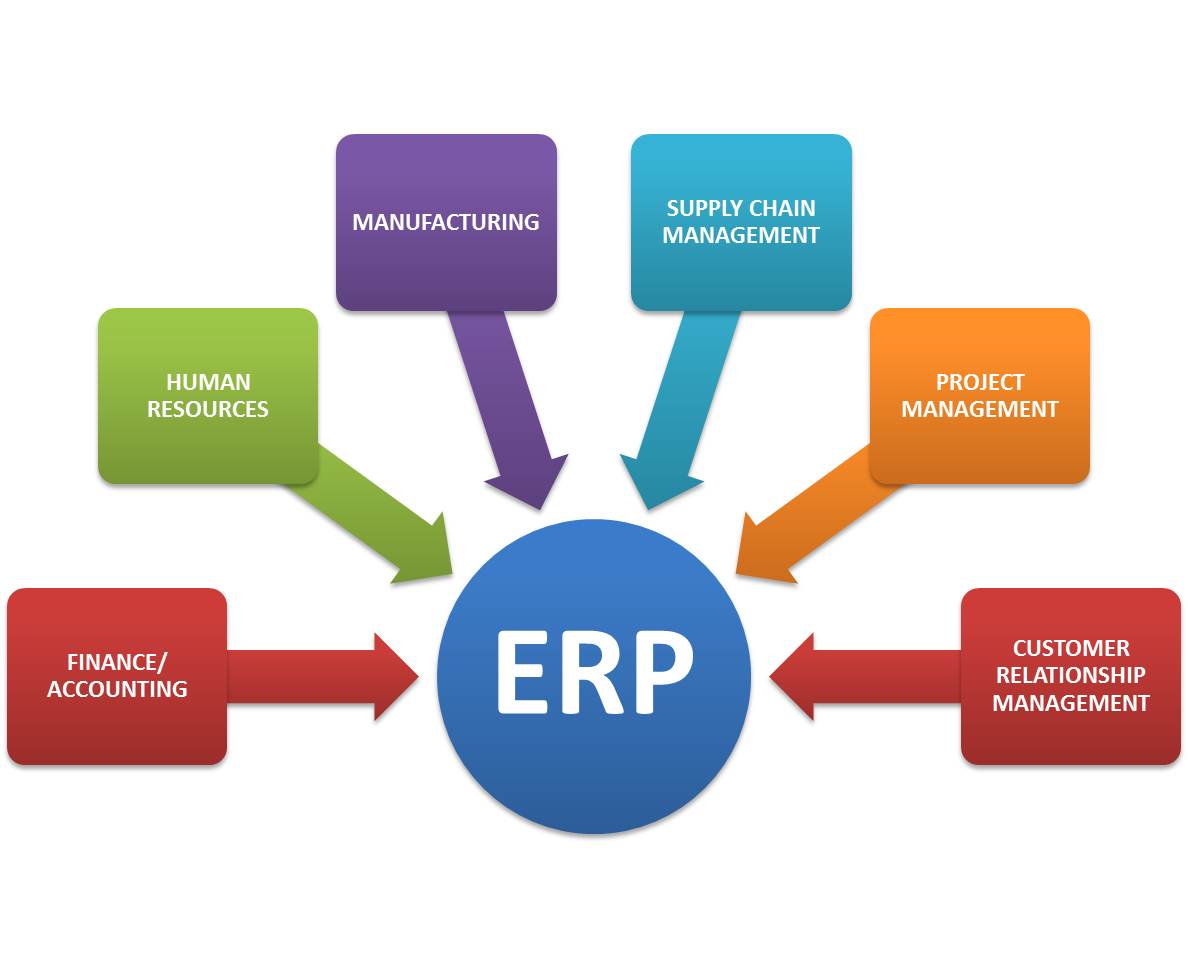
Integrating an Enterprise Resource Planning (ERP) system’s accounting module with other essential business software isn’t just a nice-to-have; it’s a strategic imperative for modern businesses aiming for streamlined operations and accurate financial insights. This connectivity allows for a holistic view of the business, breaking down data silos that often plague disparate systems. Imagine the efficiency gains when sales orders automatically trigger invoicing, or when inventory levels from a Supply Chain Management (SCM) system directly inform accounts payable.
This seamless flow of information empowers decision-makers with real-time data, leading to more informed strategies and quicker responses to market dynamics.The complexities arise from the diverse nature of these applications, each with its own data structures, protocols, and functionalities. However, the benefits far outweigh the challenges. A well-integrated ERP accounting system becomes the central nervous system of the organization, ensuring that financial data is consistent, reliable, and accessible across departments.
Do not overlook explore the latest data about best accounting software for inventory.
This integration fosters better collaboration, reduces manual data entry errors, and significantly enhances the speed and accuracy of financial reporting. Ultimately, it transforms accounting from a reactive, historical record-keeping function into a proactive, strategic driver of business success.
Common Integration Points and Data Flow
Connecting an ERP accounting module with other enterprise applications creates a powerful ecosystem where data flows dynamically, providing a comprehensive operational and financial picture. These integrations are crucial for automating processes, improving data accuracy, and enabling better decision-making across various business functions.The table below illustrates some of the most common integration points, detailing the typical data flow between an ERP accounting module and other key business software:
| ERP Accounting Module | Integrated Business Software | Primary Data Flow | Purpose/Benefit |
|---|---|---|---|
| Accounts Receivable (AR) | Customer Relationship Management (CRM) | Sales Orders, Invoices, Payment Status | Automates invoice generation upon order fulfillment, tracks customer payment history, and provides sales with real-time credit information. |
| Accounts Payable (AP) | Supply Chain Management (SCM) / Procurement | Purchase Orders, Vendor Invoices, Goods Receipts | Matches vendor invoices against purchase orders and goods receipts, automating payment processing and improving vendor management. |
| General Ledger (GL) | Point of Sale (POS) Systems | Sales Transactions, Cash Receipts | Reconciles daily sales and cash transactions, ensuring accurate revenue recognition and cash management. |
| Inventory Management | Warehouse Management Systems (WMS) | Stock Levels, Goods In/Out, Stock Adjustments | Provides real-time inventory valuation and cost of goods sold (COGS) updates, ensuring accurate financial statements and optimized stock levels. |
| Fixed Assets | Project Management Software | Asset Capitalization, Depreciation Schedules | Tracks assets acquired for specific projects and automates depreciation calculations for accurate asset accounting. |
| Budgeting and Forecasting | Human Resources Management System (HRMS) | Payroll Data, Employee Costs | Integrates payroll expenses directly into budgets and forecasts, providing a more accurate view of labor costs. |
Integration Challenges and Mitigation Strategies
Embarking on the integration of an ERP accounting system with other business software, while immensely beneficial, is not without its hurdles. Organizations often encounter technical, operational, and even cultural challenges that can impede a smooth transition and limit the realization of potential benefits. Understanding these potential pitfalls is the first step toward effectively navigating them.One of the most significant challenges is data compatibility and transformation.
Different systems may store data in varying formats, use different naming conventions, or have conflicting data types. This can lead to data corruption or loss if not handled meticulously. Mitigation involves developing robust data mapping strategies and employing data transformation tools or middleware that can standardize data before it enters the ERP or other connected systems. Thorough data profiling and cleansing prior to integration are also essential.Another common obstacle is system complexity and vendor lock-in.
ERP systems and other enterprise applications can be highly complex, with intricate APIs and proprietary architectures. Integrating disparate systems often requires specialized technical expertise, which may not be readily available internally. Furthermore, some software vendors may have limited integration capabilities or charge significant fees for access to their APIs, creating a form of vendor lock-in. Addressing this requires careful vendor selection, prioritizing those with open APIs and strong integration support.
Engaging experienced integration partners or consultants can bridge the expertise gap. Change management and user adoption present a significant challenge. Employees accustomed to working with separate systems may resist adopting new integrated workflows. This resistance can stem from a fear of the unknown, perceived increased workload, or a lack of understanding of the benefits. Proactive change management, including comprehensive training, clear communication of the integration’s advantages, and involving end-users in the planning and testing phases, is crucial for fostering buy-in and ensuring successful adoption.Finally, security and compliance are paramount.
Integrating systems means data is moving between them, increasing the attack surface. Ensuring that data remains secure during transit and at rest, and that all integrations comply with relevant industry regulations (e.g., GDPR, SOX), is critical. Implementing robust security protocols, encryption, access controls, and regular security audits for all integrated touchpoints is a non-negotiable mitigation strategy.
Validating Data Integrity Post-Integration
After successfully integrating an ERP accounting system with a new application, the paramount concern shifts to ensuring the integrity and accuracy of the data that now flows between these systems. A flawed integration can lead to incorrect financial reporting, operational inefficiencies, and a loss of trust in the system’s outputs. Therefore, a rigorous validation process is indispensable.The following step-by-step approach is designed to systematically confirm that data is being transferred, processed, and stored accurately:
- Define Key Data Elements and Transactions: Identify the most critical data points and transaction types that are exchanged between the ERP accounting module and the newly integrated application. This might include sales orders, invoices, payment records, purchase orders, vendor payments, inventory movements, and general ledger entries. Prioritize based on financial impact and operational importance.
- Perform Sample Data Audits: Select a representative sample of transactions and data records from both the ERP and the integrated application that have passed through the integration. Manually compare these records side-by-side, looking for discrepancies in amounts, dates, descriptions, customer/vendor IDs, and any other relevant fields.
- Reconcile Transaction Counts and Totals: For a defined period (e.g., a day, a week), compare the total number of transactions and the aggregate financial values processed by each system. For instance, verify that the number of invoices generated in the CRM and sent to the ERP matches the number of invoices recorded in the ERP’s AR module for that period.
Similarly, reconcile total sales figures or payment amounts.
- Test End-to-End Process Flows: Simulate complete business processes that involve both systems. For example, from the creation of a sales quote in the CRM, through order fulfillment, invoicing in the ERP, and payment processing, trace the data flow and ensure accuracy at each stage. This helps identify issues that might not be apparent in isolated data audits.
- Validate Master Data Synchronization: Ensure that master data, such as customer lists, vendor details, product catalogs, and chart of accounts, is synchronized correctly between systems. Inconsistencies in master data are a common cause of downstream errors. Check for duplicate entries, missing fields, or outdated information.
- Conduct Stress Testing with Large Data Volumes: If possible, simulate high-volume data transfer scenarios to see how the integration performs under load. This can reveal performance bottlenecks or errors that only manifest when dealing with a significant amount of data, which is crucial for systems expected to handle large transaction volumes.
- Implement Automated Reconciliation Reports: Where feasible, set up automated reports that compare key financial figures or transaction counts between the systems on a regular basis. These reports can flag potential discrepancies for immediate investigation, moving beyond manual checks to ongoing monitoring.
- Gather User Feedback: Actively solicit feedback from end-users in both the accounting department and the department using the integrated application. They are often the first to notice anomalies or unusual behaviors in their day-to-day work.
Understanding the Security Protocols and Compliance Measures within ERP Accounting Modules
Implementing an Enterprise Resource Planning (ERP) system for your accounting department is a significant step, and ensuring the security and compliance of your financial data is paramount. Modern ERP solutions are built with robust security features designed to protect sensitive information from unauthorized access, modification, or deletion. These systems go beyond basic password protection, offering multi-layered defenses that are crucial for maintaining the integrity and confidentiality of financial records.
This section delves into the security protocols and compliance measures that are integral to ERP accounting modules, providing a clear understanding of how your financial data is safeguarded.The core functionality of ERP accounting modules is underpinned by a sophisticated framework of security measures. These systems are engineered to prevent data breaches and ensure that only authorized personnel can access and manipulate financial information.
This is achieved through a combination of advanced encryption, regular security updates, and stringent access controls. The financial data processed and stored within an ERP system is highly sensitive, encompassing everything from transaction details and customer payment information to payroll data and proprietary financial strategies. Therefore, the security protocols within these modules are designed to be both proactive, by preventing threats, and reactive, by enabling rapid detection and response to any potential security incidents.
The continuous evolution of cyber threats necessitates that ERP systems remain at the forefront of security innovation, incorporating the latest technologies to maintain a secure environment for financial operations.
Examine how accounting erp can boost performance in your area.
Access Control and User Permissions
Effective access control and granular user permission settings are foundational to safeguarding accounting information within an ERP system. These mechanisms ensure that individuals can only access the data and perform the functions that are relevant to their roles, thereby minimizing the risk of internal fraud or accidental data compromise.ERP systems typically employ role-based access control (RBAC). This means that permissions are assigned to specific roles within the organization (e.g., Accounts Payable Clerk, Financial Controller, Auditor), rather than to individual users.
When a user is assigned a role, they automatically inherit the permissions associated with that role. This simplifies user management and ensures consistency in access levels. For instance, an Accounts Payable Clerk might have permissions to enter invoices and process payments, but not to approve payments above a certain threshold or to access the general ledger directly. A Financial Controller, on the other hand, would have broader access, including the ability to review and approve transactions, generate financial reports, and potentially adjust journal entries.Further layers of security can be implemented through:
- User Authentication: This includes strong password policies, multi-factor authentication (MFA) which requires users to provide two or more verification factors to gain access, and single sign-on (SSO) capabilities to streamline access while maintaining security.
- Data Encryption: Sensitive data, both in transit (when being transmitted across networks) and at rest (when stored in the database), is encrypted using industry-standard algorithms. This renders the data unreadable to unauthorized parties even if they manage to gain access to the underlying storage.
- Audit Trails: ERP systems meticulously log all user activities. This creates an immutable audit trail that records who accessed what data, when, and what actions were performed. This is invaluable for tracking down the source of errors or malicious activities and for compliance purposes.
- Segregation of Duties: ERP systems can be configured to enforce segregation of duties, preventing a single individual from having control over multiple critical stages of a financial process (e.g., one person cannot create a vendor and then approve payments to that vendor).
Adherence to Financial Regulations and Compliance Standards
ERP systems play a pivotal role in helping organizations achieve and maintain compliance with a multitude of financial regulations and reporting standards. These systems are designed with built-in functionalities and reporting capabilities that facilitate adherence to frameworks such as Generally Accepted Accounting Principles (GAAP) in the United States, International Financial Reporting Standards (IFRS) globally, and various industry-specific regulations.The structured nature of ERP data and its inherent audit trails are key to compliance.
For example, when adhering to GAAP or IFRS, accurate and timely financial reporting is essential. ERP systems automate many of the processes involved in data collection, transaction recording, and report generation, significantly reducing the potential for human error. The system ensures that all transactions are recorded consistently and in accordance with the chosen accounting standards. Features like automated chart of accounts management, standardized journal entry processes, and configurable reporting modules allow businesses to generate financial statements, balance sheets, income statements, and cash flow statements that meet the strict requirements of these standards.Furthermore, ERP systems can be configured to enforce specific compliance rules.
For instance, for companies dealing with sensitive customer data, compliance with regulations like the General Data Protection Regulation (GDPR) or the California Consumer Privacy Act (CCPA) can be managed within the ERP by controlling access to personal financial information and ensuring data privacy policies are upheld. The system’s ability to generate detailed audit logs also supports compliance with regulations like the Sarbanes-Oxley Act (SOX), which requires public companies to establish internal controls and procedures to ensure the accuracy and reliability of their financial reporting.
By centralizing financial data and providing robust reporting tools, ERP systems empower organizations to demonstrate compliance effectively to auditors and regulatory bodies.
Essential Security Considerations Checklist for ERP Selection
When selecting an ERP system for your accounting needs, a thorough evaluation of its security features and compliance capabilities is non-negotiable. A robust security posture not only protects your sensitive financial data but also ensures your organization meets its legal and regulatory obligations.Here is a checklist of essential security considerations to guide your selection process:
- Data Encryption Standards: Verify that the ERP system employs strong, industry-standard encryption protocols for data both in transit and at rest.
- Access Control Mechanisms: Assess the granularity of role-based access controls and the ability to configure specific user permissions for different modules and functions.
- Multi-Factor Authentication (MFA): Confirm that the system supports or integrates with MFA solutions to enhance user authentication security.
- Audit Trail Functionality: Ensure the ERP provides comprehensive and immutable audit trails for all user activities and data changes.
- Segregation of Duties Enforcement: Determine if the system can be configured to enforce segregation of duties to prevent internal control weaknesses.
- Regular Security Updates and Patching: Inquire about the vendor’s policy and track record for providing timely security updates and patches to address emerging threats.
- Compliance Certifications: Check if the ERP vendor holds relevant security certifications (e.g., ISO 27001, SOC 2) and if the system is designed to support compliance with specific regulations (e.g., GDPR, SOX, IFRS, GAAP).
- Disaster Recovery and Business Continuity: Understand the vendor’s disaster recovery plan and the system’s capabilities for data backup and restoration to ensure business continuity in case of unforeseen events.
- Third-Party Integration Security: If the ERP integrates with other software, evaluate the security protocols of those integrations and the vendor’s approach to managing third-party risks.
- Vulnerability Management: Understand the vendor’s process for identifying and remediating security vulnerabilities within the ERP software.
Exploring the Evolution of ERP Accounting Features and Future Trends
The journey of accounting functionalities within Enterprise Resource Planning (ERP) systems is a fascinating narrative of technological advancement and evolving business needs. What began as rudimentary data management tools has transformed into sophisticated platforms offering deep financial insights and predictive capabilities. This evolution reflects a continuous drive for efficiency, accuracy, and strategic decision-making in the finance domain.From the early days of mainframe-based systems, accounting modules in ERPs were primarily focused on automating core transactional processes.
Think of basic ledger management, accounts payable and receivable processing, and rudimentary financial statement generation. These systems were often cumbersome, required significant IT resources, and offered limited flexibility. As businesses grew and became more complex, the demand for more integrated and insightful financial management tools surged. This led to the development of more robust modules that could handle multi-currency transactions, complex tax regulations, and consolidation for global operations.
The transition to client-server architecture further enhanced performance and accessibility, paving the way for more user-friendly interfaces and richer reporting options. The advent of the internet and the subsequent rise of web-based ERP solutions democratized access, allowing smaller businesses to leverage powerful accounting tools. Modern ERP systems have moved beyond mere transaction processing to become strategic partners, offering advanced analytics, budgeting, forecasting, and risk management capabilities.
Integration of Emerging Technologies in ERP Accounting, Erp system accounting
The current landscape of ERP accounting is being significantly shaped by the integration of cutting-edge technologies, fundamentally altering how financial data is processed, analyzed, and leveraged. Artificial intelligence (AI) and machine learning (ML) are at the forefront of this transformation, moving ERP systems from reactive reporting to proactive and predictive insights. AI algorithms can automate complex tasks like invoice processing, anomaly detection in financial data, and even assist in fraud prevention by identifying unusual patterns.
Machine learning models, on the other hand, can learn from historical data to improve forecasting accuracy for sales, expenses, and cash flow. This enables finance departments to make more informed decisions, optimize resource allocation, and anticipate future financial performance with greater confidence. For instance, an ML model could analyze past spending patterns and market trends to predict the optimal time to purchase raw materials, thereby reducing inventory costs and improving supply chain efficiency.
Benefits of Cloud-Based ERP Systems for Accounting
The shift towards cloud-based ERP systems has brought about a paradigm change for accounting departments, offering unparalleled advantages in terms of scalability and accessibility. Cloud deployment removes the need for significant on-premises hardware and infrastructure, reducing capital expenditure and ongoing maintenance costs. This allows businesses to scale their ERP resources up or down rapidly in response to fluctuating business demands, such as seasonal peaks in sales or periods of rapid expansion.
Accessibility is another major benefit; accounting teams can access financial data and perform tasks from any location with an internet connection, fostering remote work capabilities and improving collaboration across geographically dispersed teams. This not only enhances operational flexibility but also ensures business continuity, as data is securely stored and backed up in the cloud. For example, a company experiencing a sudden surge in orders can instantly scale its ERP capacity to handle the increased transaction volume without worrying about server limitations.
Adaptation to Dynamic Business Models and Evolving Reporting Requirements
Modern ERP systems are increasingly designed to be agile and adaptable, catering to the dynamic nature of today’s business models and the ever-changing landscape of financial reporting. This adaptability is crucial for businesses operating in rapidly evolving sectors, such as e-commerce, subscription-based services, or the gig economy, each with its unique revenue recognition and cost allocation challenges. ERPs are incorporating flexible chart of accounts structures, configurable workflows, and modular designs that allow for customization to match specific business processes.
Furthermore, the increasing complexity and stringency of financial reporting standards, such as IFRS 17 for insurance or ASC 606 for revenue recognition, necessitate ERP systems that can natively support these requirements. This often involves built-in compliance checks, automated data transformations, and robust audit trails to ensure adherence to regulatory mandates. For instance, a subscription service company can configure its ERP to automatically manage recurring billing cycles, track customer churn, and generate revenue reports in compliance with the latest accounting standards, a feat that would be immensely challenging with older, less flexible systems.
Closure
In essence, the journey through ERP system accounting reveals a landscape of enhanced accuracy, accelerated reporting, and seamless integration. The evolution of these systems, driven by technological advancements, promises even greater efficiency and foresight. By understanding their core functionalities, appreciating their impact on reporting, navigating their integration, and prioritizing their security, businesses can confidently leverage ERP systems to achieve robust financial health and strategic advantage in an ever-changing economic environment.
Questions Often Asked
What are the main benefits of using an ERP system for accounting?
An ERP system for accounting offers numerous benefits, including improved data accuracy, enhanced financial reporting, increased operational efficiency, better compliance, and centralized financial management. It provides a single source of truth for all financial data, reducing manual entry errors and streamlining workflows.
How does an ERP system improve accounts payable and accounts receivable processes?
ERP systems automate many aspects of AP and AR, such as invoice processing, payment scheduling, and customer invoicing. This automation speeds up cash flow, reduces late payments, minimizes errors, and provides better visibility into outstanding balances and vendor obligations.
Can an ERP system help with budgeting and forecasting?
Yes, ERP systems typically include robust budgeting and forecasting modules. They leverage historical data and real-time financial information to create more accurate budgets and forecasts, allowing for better financial planning and decision-making.
What is the typical cost of implementing an ERP system for accounting?
The cost of implementing an ERP system can vary significantly depending on the size of the business, the complexity of the modules chosen, the level of customization required, and the vendor. Costs can range from tens of thousands to millions of dollars, encompassing software licenses, implementation services, training, and ongoing support.
How long does it typically take to implement an ERP system for accounting?
Implementation timelines for ERP systems can range from a few months to over a year. Factors influencing the duration include the system’s complexity, the amount of data migration, the extent of customization, user training, and the organization’s internal resources dedicated to the project.