Accounting software for manufacturing business is crucial for optimizing operations. This exploration delves into the foundational requirements, diverse solutions, and tangible benefits of implementing advanced systems, offering a comprehensive guide for manufacturers seeking to enhance efficiency and profitability.
We will uncover the specific functionalities that set manufacturing accounting software apart, including detailed cost accounting, various inventory valuation methods, and robust bill of materials management. Furthermore, we will examine the critical integrations with systems like ERP, production scheduling, and quality control, highlighting how these connections streamline data flow and boost accuracy. A conceptual framework for real-time production cost tracking will be presented, illustrating how direct materials, direct labor, and overhead are meticulously accounted for.
Unveiling the foundational requirements of accounting software tailored for the unique demands of manufacturing operations.

Manufacturing businesses operate on a fundamentally different level than typical service or retail entities. Their core activities involve transforming raw materials into finished goods, a process that necessitates a specialized approach to financial management. Accounting software designed for manufacturing must go beyond simple ledger entries and invoicing to encompass the intricate web of production, inventory, and costing that defines this industry.
The foundational requirements are built around accurately tracking the flow of goods and the associated costs at every stage of the production lifecycle. This includes not only financial transactions but also the physical movement and transformation of materials, labor, and overhead.The essential functionalities that truly differentiate manufacturing accounting software from general business solutions revolve around cost accounting, sophisticated inventory valuation methods, and robust bill of materials management.
General accounting software might track basic inventory levels, but manufacturing software delves much deeper. Cost accounting in manufacturing is paramount; it’s about understanding the true cost of producing each unit. This involves meticulously capturing direct material costs, direct labor expenses, and allocating manufacturing overhead (like factory rent, utilities, and depreciation of machinery) to specific production runs or products. Without this granular cost visibility, a manufacturer cannot accurately price their products, assess profitability, or make informed decisions about production efficiency.
Essential Functionalities for Manufacturing Accounting
The core of any effective manufacturing accounting software lies in its ability to handle the complexities of production and inventory. This isn’t just about knowing how much of a component you have; it’s about understanding its cost, its place in the production chain, and how its value changes as it moves through the manufacturing process.
- Cost Accounting: This is perhaps the most significant differentiator. Manufacturing cost accounting requires the ability to track and allocate costs to specific jobs, work orders, or product lines. This includes:
- Direct Materials: Recording the cost of raw materials that directly go into the finished product.
- Direct Labor: Tracking the wages paid to workers directly involved in the production process.
- Manufacturing Overhead: Allocating indirect costs associated with the factory and production, such as rent, utilities, indirect labor (supervisors, maintenance), depreciation of equipment, and factory supplies. The allocation methods can vary, but the software must support these calculations, often based on machine hours, labor hours, or a predetermined overhead rate.
- Inventory Valuation Methods: Manufacturers deal with raw materials, work-in-progress (WIP), and finished goods, all of which need to be valued for financial reporting and inventory management. Software must support various methods:
- FIFO (First-In, First-Out): Assumes the first units of inventory purchased are the first ones sold. This generally results in a lower cost of goods sold and a higher ending inventory value during periods of rising prices.
- LIFO (Last-In, First-Out): Assumes the last units of inventory purchased are the first ones sold. This can result in a higher cost of goods sold and a lower ending inventory value during periods of rising prices, often providing tax advantages in such scenarios. (Note: LIFO is not permitted under IFRS).
- Weighted-Average Cost: Calculates the average cost of all inventory available for sale and uses this average to determine the cost of goods sold and ending inventory. This smooths out price fluctuations.
The ability to accurately apply and report on these methods is crucial for accurate financial statements and tax compliance.
- Bill of Materials (BOM) Management: A BOM is a comprehensive list of all the raw materials, sub-assemblies, intermediate assemblies, sub-components, parts, and the quantities of each needed to manufacture one unit of a finished product. Manufacturing accounting software needs to integrate with BOMs to:
- Accurately calculate the cost of raw materials required for a production run.
- Manage component obsolescence and track component usage.
- Facilitate accurate costing of finished goods based on their constituent parts.
- Support inventory planning and procurement based on production needs.
A well-managed BOM is the backbone of efficient production and accurate costing.
Critical Integrations for Manufacturing Software, Accounting software for manufacturing business
To truly unlock the potential of manufacturing accounting software, seamless integration with other critical business systems is not just beneficial; it’s essential. These connections ensure that data flows accurately and efficiently, eliminating manual data entry, reducing errors, and providing a holistic view of operations. Without these links, the accounting software operates in a silo, limiting its effectiveness and the insights it can provide.
The goal is to create a connected ecosystem where information is shared in real-time, enabling better decision-making across all departments.The primary integration point for manufacturing accounting software is typically with an Enterprise Resource Planning (ERP) system. An ERP acts as the central nervous system for a business, managing a wide array of functions. When accounting software is integrated with an ERP, it benefits from a unified database and shared processes.
For instance, a sales order entered into the ERP can automatically trigger a production order and update the accounting system with the expected revenue and cost of goods sold. Similarly, procurement data from the ERP can feed directly into inventory valuation and accounts payable within the accounting software. This ensures that financial data is always aligned with operational realities.Beyond ERP, integrating with production scheduling tools is vital.
These tools help plan and optimize manufacturing operations, determining when and where production will occur. When integrated, the accounting software can receive real-time updates on production progress, including the start and end times of specific operations, labor hours consumed, and machine utilization. This data is critical for accurate work-in-progress (WIP) costing and for understanding variances between planned and actual production costs.
For example, if a production schedule indicates a specific job should take 10 hours of labor, and the integrated system reports 12 hours were actually used, the accounting software can flag this variance, prompting an investigation into potential inefficiencies or issues.Furthermore, integration with quality control (QC) modules is increasingly important. Quality is a direct cost to manufacturers, whether it’s the cost of rework, scrap, or warranty claims.
When QC data is fed into the accounting system, it allows for the accurate capture of these costs. For instance, if a batch of products fails QC and needs to be scrapped, the accounting software can record the loss of materials and labor associated with that batch. This visibility helps identify the root causes of quality issues and their financial impact, enabling management to implement corrective actions and reduce waste.
The ability to link specific production runs or batches to their quality outcomes provides invaluable data for continuous improvement initiatives and cost reduction.
Conceptual Framework for Real-Time Production Cost Tracking
The ability to track production costs in real-time is a cornerstone of effective manufacturing accounting software. This framework moves beyond traditional periodic costing methods to provide immediate insights into the financial implications of ongoing production activities. It’s about creating a dynamic view of costs as they are incurred, rather than waiting for month-end to reconcile figures. This real-time tracking allows for proactive management, enabling supervisors and managers to identify and address cost overruns or inefficiencies as they happen, rather than after the fact when corrective actions might be less effective or more costly.The conceptual framework for real-time production cost tracking is built upon the foundation of accurate data capture at multiple points within the manufacturing process.
This data is then aggregated and analyzed to provide a clear picture of costs associated with direct materials, direct labor, and manufacturing overhead.
- Direct Materials Tracking: As raw materials are issued from inventory for a specific production order or work order, the accounting software captures this transaction. This includes the specific material, the quantity issued, and its associated cost based on the chosen inventory valuation method. For example, if a work order for 100 units of Product X requires 200 kg of Material A, and Material A costs $2 per kg, the software immediately records a direct material cost of $400 for that work order.
Data points tracked include:
- Material ID
- Quantity Issued
- Unit Cost
- Work Order/Production Lot Number
- Date of Issue
- Direct Labor Tracking: When employees clock in and out of specific tasks or production lines, their labor time is recorded and linked to the relevant work order. The software then calculates the direct labor cost based on their hourly wage. If a machinist spends 4 hours on a specific production run, and their wage is $30 per hour, the software allocates $120 in direct labor cost to that run.
Data points tracked include:
- Employee ID
- Task/Operation Performed
- Start Time
- End Time
- Hourly Wage Rate
- Work Order/Production Lot Number
- Manufacturing Overhead Allocation: While some overhead costs are easier to track directly (e.g., indirect labor for supervisors), many are allocated based on predefined rates. Real-time tracking of overhead involves capturing data that drives these allocations. For instance, if overhead is allocated based on machine hours, the software would track the actual machine hours used for each production run. If a production run utilizes a machine for 8 hours, and the predetermined overhead rate is $15 per machine hour, the software allocates $120 in overhead to that run.
This also extends to capturing real-time data for utilities usage if metered per production area, or tracking depreciation of machinery in use for specific jobs. Data points tracked include:
- Machine ID and Usage Hours
- Labor Hours (for indirect labor allocation)
- Utility Meter Readings (if applicable and traceable to production)
- Depreciation Schedules for Production Assets
- Predetermined Overhead Rates
- Work Order/Production Lot Number
By aggregating these real-time data streams, the accounting software can provide an up-to-the-minute view of the total cost of goods being produced, enabling immediate financial oversight and control.
Exploring the diverse types of accounting software solutions available for manufacturing businesses and their distinct advantages.: Accounting Software For Manufacturing Business
Navigating the landscape of accounting software for manufacturing can seem complex, given the specialized needs of the industry. From managing raw materials and work-in-progress to tracking finished goods and production costs, manufacturers require robust solutions that go beyond basic bookkeeping. This section delves into the various software types available, helping businesses identify the best fit for their operational intricacies and strategic goals.
We will examine the fundamental differences between cloud-based and on-premise systems, explore sector-specific software, and highlight the power of integrated systems.The choice of accounting software profoundly impacts a manufacturing business’s efficiency, cost control, and overall profitability. Understanding the nuances of each solution type is crucial for making an informed decision that supports growth and operational excellence.
Cloud-Based vs. On-Premise Accounting Software for Manufacturers
The debate between cloud-based and on-premise accounting software is a significant consideration for any manufacturing business. Each model offers distinct advantages and disadvantages that directly affect operational flexibility, financial investment, and security posture.Cloud-based accounting software, also known as Software-as-a-Service (SaaS), is hosted on remote servers and accessed via the internet. A primary advantage is its inherent scalability; manufacturers can easily add or remove users and functionalities as their business grows or seasons change, without significant hardware upgrades.
Accessibility is another key benefit, allowing authorized personnel to access financial data from any location with an internet connection, which is invaluable for remote teams or businesses with multiple sites. Security is typically managed by the vendor, who invests heavily in robust data protection measures and regular backups, often exceeding the capabilities of a small to medium-sized manufacturer. The initial investment is generally lower, as it involves subscription fees rather than large upfront hardware and software purchases.
However, reliance on internet connectivity can be a drawback; any disruption can halt access to critical financial information. Data ownership and customization limitations can also be concerns for some businesses, as they have less direct control over the software environment.On-premise accounting software is installed and run on a company’s own servers and computers. This model offers greater control over data security and customization.
Manufacturers can tailor the software precisely to their unique workflows and integrate it deeply with existing internal systems. The absence of reliance on internet connectivity ensures continuous access to financial data, a critical factor for businesses operating in areas with unreliable internet. However, the initial investment for on-premise solutions is typically much higher, involving the purchase of hardware, software licenses, and often requiring dedicated IT staff for installation, maintenance, and updates.
Scalability can be more challenging and costly, often requiring the purchase of additional hardware and licenses. Updates and maintenance also fall entirely on the company, which can be resource-intensive.
Here’s a comparative overview:
- Scalability: Cloud solutions offer dynamic, pay-as-you-go scalability, while on-premise requires upfront investment for future growth.
- Accessibility: Cloud offers anytime, anywhere access; on-premise is limited to internal networks or requires complex remote access setups.
- Security: Cloud vendors manage security, often with advanced measures; on-premise security is the company’s responsibility, offering more control but requiring expertise.
- Initial Investment: Cloud has lower upfront costs with recurring subscriptions; on-premise has high upfront capital expenditure.
- Control & Customization: On-premise provides maximum control and deep customization; cloud solutions may have limitations.
- Maintenance & Updates: Cloud vendor handles maintenance; on-premise requires internal IT resources.
Specialized Accounting Software for Specific Manufacturing Sectors
The manufacturing industry is not monolithic; different sectors have unique production processes, inventory management needs, and cost accounting challenges. Consequently, specialized accounting software has emerged to address these distinct requirements, offering functionalities that generic accounting packages cannot match.For discrete manufacturing, which involves assembling distinct parts into finished products (e.g., automotive, electronics, machinery), software often emphasizes bill of materials (BOM) management, routing, work-order tracking, and lot/serial number traceability.
This allows for precise tracking of components through each stage of assembly, crucial for quality control and recall management. Features like MRP (Material Requirements Planning) are vital to ensure that the right components are available at the right time to meet production schedules, minimizing shortages and excess inventory. Process manufacturing (e.g., food and beverage, chemicals, pharmaceuticals) deals with formulas and recipes rather than BOMs.
Software for this sector excels in batch costing, yield tracking, co-product and by-product accounting, and stringent regulatory compliance (like FDA or GMP). Managing perishable inventory, expiration dates, and ensuring consistent product quality across batches are paramount. Advanced costing methods that allocate overhead based on specific production runs are essential for accurate profitability analysis. Custom job shops operate on a project-by-project basis, producing unique or highly customized goods.
Their accounting software needs to support intricate project costing, time tracking for labor, material tracking per job, and flexible quoting and invoicing. The ability to manage multiple, often concurrent, projects with varying requirements and timelines is critical. This type of software needs to integrate seamlessly with project management tools to provide a clear picture of each job’s financial status, from initial bid to final delivery.
These specialized solutions often include:
- Bill of Materials (BOM) & Formula Management: Essential for tracking components or ingredients.
- Production Scheduling & Planning: Optimizing resource allocation and output.
- Inventory Management: Including lot/serial tracking, expiry dates, and multi-warehouse support.
- Cost Accounting: Detailed tracking of direct materials, direct labor, and overhead for accurate product costing.
- Quality Control & Compliance: Features to meet industry-specific regulations and standards.
- Work Order Management: Tracking the progress and costs of individual production orders.
For instance, a pharmaceutical company using process manufacturing software can track every ingredient batch used in a specific drug, its origin, and its expiry date, linking it directly to the finished product batch. This level of detail is indispensable for regulatory audits and product recalls.
Integrated Accounting and Manufacturing Execution Systems (MES)
The synergy between accounting software and Manufacturing Execution Systems (MES) offers a powerful pathway to achieving comprehensive, end-to-end operational visibility. While accounting software focuses on the financial aspects of a business, an MES bridges the gap by managing and monitoring work-in-progress on the factory floor in real-time. Integrating these two systems creates a unified data flow, transforming raw operational data into actionable financial insights.An MES typically tracks production orders, machine status, labor allocation, material consumption, and quality data directly from the shop floor.
When integrated with accounting software, this real-time data feeds directly into the financial system. For example, material consumption data from the MES can automatically update inventory levels and cost of goods sold (COGS) in the accounting system. Labor hours tracked by the MES can be directly applied to specific production orders, ensuring accurate labor cost allocation. This eliminates the need for manual data entry, which is prone to errors and delays, and provides a much more accurate and up-to-the-minute view of production costs.The benefits of this integration are manifold.
Manufacturers gain unparalleled visibility into their operations, allowing for more informed decision-making. They can quickly identify bottlenecks, inefficiencies, and cost overruns on the shop floor and understand their immediate financial implications. This enables proactive problem-solving rather than reactive damage control.
Finish your research with information from best ap automation software for small business.
The integration of MES and accounting software creates a digital thread that connects the shop floor to the financial statements, providing a single source of truth for operational and financial performance.
This synergistic relationship allows for:
- Accurate Real-time Costing: By capturing material, labor, and overhead costs as they are incurred on the shop floor, businesses can achieve precise product costing, essential for pricing and profitability analysis.
- Improved Inventory Valuation: Real-time material consumption data ensures that inventory levels and their valuation are consistently accurate, reducing discrepancies and the risk of stockouts or overstocking.
- Enhanced Production Efficiency: Identifying production delays or inefficiencies through MES data and understanding their financial impact allows for targeted improvements.
- Streamlined Financial Reporting: Automated data flow reduces manual reconciliation, leading to faster and more accurate financial reporting.
- Better Decision-Making: With immediate access to both operational and financial data, management can make quicker, more informed decisions regarding production schedules, resource allocation, and pricing strategies.
For instance, a manufacturer might use MES data to identify that a particular machine is consistently underperforming, leading to higher labor costs per unit. This insight, directly visible in the integrated accounting system, can prompt a decision to invest in maintenance or replacement, with a clear understanding of the financial return on investment. This holistic view empowers manufacturers to optimize not just their production processes but also their financial health.
Demonstrating the tangible benefits of implementing advanced accounting software within a manufacturing environment.

Implementing advanced accounting software is more than just an upgrade; it’s a strategic move that unlocks significant operational efficiencies and financial advantages for manufacturing businesses. These systems go beyond basic bookkeeping, offering sophisticated tools that directly impact profitability, compliance, and overall business health. By leveraging these capabilities, manufacturers can gain a competitive edge in today’s dynamic market.The true power of modern accounting software for manufacturers lies in its ability to provide real-time visibility and control over complex processes.
From managing intricate supply chains to understanding the granular costs associated with production, these platforms offer a comprehensive view of financial operations. This enhanced insight allows for proactive decision-making, enabling businesses to adapt quickly to market changes and optimize their performance across all departments.
Robust Inventory Management Features
Effective inventory management is a cornerstone of profitability in manufacturing. Advanced accounting software provides sophisticated tools that enable precise tracking and control over raw materials, work-in-progress, and finished goods. This granular oversight is crucial for minimizing costs associated with holding excess inventory, preventing costly stockouts that disrupt production and delay customer orders, and ultimately, ensuring a smooth and efficient order fulfillment process.One of the primary benefits of integrated inventory management is the reduction of carrying costs.
Carrying costs, which include expenses like storage, insurance, obsolescence, and the opportunity cost of capital tied up in inventory, can significantly eat into profit margins. By providing real-time inventory levels and forecasting demand more accurately, the software helps businesses maintain optimal stock levels. For instance, a furniture manufacturer might use the software to track lumber inventory. If the system forecasts a decrease in demand for a specific wood type due to seasonal trends or new product lines, it can alert procurement to reduce orders, thereby saving on storage space and preventing potential spoilage or obsolescence of aging stock.Minimizing stockouts is another critical advantage.
Examine how accounting and business management software can boost performance in your area.
Imagine a scenario where a critical component for an assembly line runs out unexpectedly. This can lead to a complete halt in production, resulting in lost labor hours, missed delivery deadlines, and potentially damaged customer relationships. Advanced accounting software can set reorder points based on lead times and sales velocity. If a parts supplier for an electronics manufacturer experiences a delay, the software can flag the potential stockout of a crucial microchip well in advance, allowing the purchasing department to source an alternative supplier or adjust production schedules proactively, thus avoiding costly downtime.Furthermore, improved inventory management directly enhances order fulfillment rates.
Discover how enterprise resource planning has transformed methods in this topic.
When a customer places an order, the system can instantly verify stock availability, providing accurate delivery estimates. This transparency builds customer trust and satisfaction. For a food processing company, for instance, knowing precisely how much finished product is available and its expiry dates allows them to fulfill orders efficiently, ensuring that products are shipped within their shelf life and reducing the risk of returns due to spoilage.
This seamless integration between inventory data and sales orders leads to quicker dispatch times and higher customer retention rates.
Accurate Cost Accounting for Pricing and Profitability
Accurate cost accounting is the bedrock upon which sound pricing strategies and insightful profitability analyses are built in manufacturing. Without a precise understanding of the true cost to produce each item, businesses are essentially navigating blindfolded, making critical decisions about pricing, product mix, and operational efficiency without the necessary data. Advanced accounting software provides the tools to meticulously capture and allocate all relevant costs, from raw materials and direct labor to manufacturing overhead, ensuring that every dollar spent is accounted for.The impact of accurate cost data on pricing strategies is profound.
Manufacturers can move beyond guesswork and implement value-based or cost-plus pricing models with confidence. For example, a custom metal fabrication company might use its accounting software to track the precise cost of labor, machine time, and materials for each unique project. If a particular type of welding requires specialized skills and takes significantly longer, the cost accounting module will reflect this.
Armed with this data, the sales team can set prices that not only cover all these costs but also ensure a healthy profit margin, rather than underpricing and losing money on complex jobs or overpricing and losing competitive bids.Profitability analysis becomes far more meaningful with accurate cost data. Instead of just looking at revenue, manufacturers can drill down into the profitability of individual products, product lines, or even specific customer orders.
Consider a case study involving a bicycle manufacturer. Previously, they might have grouped all their mountain bikes into one category for profitability analysis. However, by implementing advanced accounting software with detailed cost tracking, they discovered that while their high-end carbon fiber bikes had high revenues, their actual profit margin was significantly lower than expected due to the expensive materials and specialized labor involved.
Conversely, their mid-range aluminum bikes, though generating less revenue per unit, were highly profitable due to efficient production processes and lower material costs. This insight allowed the company to re-evaluate its marketing efforts, optimize production for the more profitable models, and potentially negotiate better terms for carbon fiber suppliers.The ability to perform variance analysis—comparing standard costs to actual costs—is another crucial benefit.
This helps identify inefficiencies in the production process. If the actual cost of direct labor for assembling a specific appliance consistently exceeds the standard cost, the software will highlight this discrepancy. This prompts management to investigate the root cause, which could be anything from employee training needs to inefficient assembly line layouts. By addressing these variances, manufacturers can continuously improve their operational efficiency and drive down costs, directly boosting profitability.
Facilitating Regulatory Compliance and Audit Readiness
Navigating the complex landscape of regulatory compliance and preparing for audits can be a daunting task for any manufacturing business. Advanced accounting software plays a pivotal role in simplifying these processes, ensuring that manufacturers meet their legal obligations and can readily provide accurate financial information to auditors. The software’s features are designed to enforce data integrity, maintain clear audit trails, and generate reports that satisfy various regulatory requirements.One of the most critical features in this regard is data integrity.
Manufacturing operations often involve numerous transactions, from purchasing raw materials to selling finished goods, with many steps in between. Without robust controls, errors or even intentional manipulation of financial data can occur. Accounting software typically incorporates features like user access controls, preventing unauthorized individuals from altering financial records. Furthermore, automated data entry and validation reduce the likelihood of manual errors.
For a chemical manufacturer, for instance, ensuring the accuracy of batch numbers, material quantities, and their associated costs is paramount for both financial reporting and product traceability, which is often a regulatory requirement. The software’s ability to enforce these data points consistently across all transactions is invaluable.Traceability is another indispensable aspect. Regulatory bodies, especially in industries like food and pharmaceuticals, require manufacturers to be able to trace products from their origin to the end consumer.
Accounting software, when integrated with production and inventory modules, can provide this end-to-end traceability. If a product recall is necessary, the system can quickly identify all affected batches, the raw materials used, and the customers who purchased them. This capability not only ensures compliance with regulations like the Food Safety Modernization Act (FSMA) in the US but also significantly mitigates potential damage to brand reputation and reduces the financial impact of recalls by allowing for targeted action.The audit readiness provided by accounting software is a significant benefit.
Auditors typically require access to detailed financial records and evidence of internal controls. Modern accounting systems maintain comprehensive audit trails, recording every transaction, modification, and user activity. This means that for any financial statement or report, auditors can easily trace the figures back to their source documents and see who made changes and when. This transparency drastically reduces the time and effort required during an audit.
For a defense contractor, where compliance with strict government regulations is essential, having readily available and verifiable financial records through the accounting software can make the difference between a smooth audit and costly delays or penalties. Features like automated reconciliation of bank statements and accounts payable/receivable further streamline the audit process by ensuring that all financial data is consistent and accurate.
Outlining the strategic considerations for selecting and implementing the most suitable accounting software for a manufacturing business.
Selecting and implementing the right accounting software is a critical strategic decision for any manufacturing business. It’s not merely about tracking debits and credits; it’s about gaining visibility, control, and driving efficiency across complex operational workflows. This process requires a thoughtful approach, moving beyond surface-level features to understand how the software will integrate with existing processes and support future growth.
Careful consideration at this stage can prevent costly mistakes and ensure a smooth transition, ultimately contributing to a stronger financial foundation and improved operational performance.The journey from identifying a need to successfully embedding new accounting software involves a multi-faceted strategy. It begins with a thorough assessment of current requirements and future aspirations, followed by a rigorous evaluation of available solutions.
Once a choice is made, a robust implementation plan is essential to minimize disruption and maximize user adoption. Finally, ongoing monitoring through key performance indicators ensures the software continues to deliver value and supports the business’s strategic objectives.
Evaluating Accounting Software Options
A systematic approach to evaluating accounting software is paramount to ensure alignment with a manufacturing company’s unique needs, operational scale, and budgetary constraints. This involves a deep dive into current pain points, future growth projections, and the specific functionalities that will directly impact production, inventory management, costing, and financial reporting. The process should be structured, objective, and involve key stakeholders from different departments.A step-by-step procedure for evaluating software options includes:
- Needs Assessment: Conduct comprehensive interviews with department heads (production, inventory, sales, finance) to identify current accounting challenges, desired improvements, and essential functionalities. Document specific requirements related to bill of materials (BOM) management, work-in-progress (WIP) tracking, job costing, inventory valuation methods (e.g., FIFO, LIFO, weighted average), quality control integration, and compliance reporting.
- Define Budget: Establish a clear budget encompassing not only the initial software license or subscription fees but also implementation costs, customization, training, ongoing support, and potential hardware upgrades. Consider both capital expenditure (CapEx) and operational expenditure (OpEx) models.
- Research and Shortlisting: Identify software vendors specializing in manufacturing accounting solutions. Look for case studies and testimonials from similar-sized manufacturing businesses. Create a shortlist of 3-5 potential vendors based on initial research and alignment with core requirements.
- Demonstration and Feature Comparison: Schedule detailed demonstrations with shortlisted vendors. During these sessions, ask vendors to showcase how their software addresses your specific manufacturing workflows. Use a checklist of evaluation criteria to score each software objectively.
- Technical and Integration Assessment: Evaluate the software’s technical architecture, scalability, and compatibility with existing IT infrastructure. Assess its ability to integrate seamlessly with other critical systems such as Enterprise Resource Planning (ERP) modules, Customer Relationship Management (CRM) software, and shop floor control systems.
- Vendor Stability and Support: Research the financial stability and reputation of the software vendor. Inquire about their customer support services, including response times, availability of technical assistance, and ongoing software updates and patches.
- Trial Period and References: If possible, negotiate a trial period to test the software with real data. Request and contact customer references, ideally from manufacturing companies of similar size and industry.
- Total Cost of Ownership (TCO) Analysis: Beyond the initial purchase price, calculate the TCO over a 3-5 year period, factoring in all recurring costs and potential hidden expenses.
A comprehensive checklist of evaluation criteria should include:
- Core Accounting Features: General ledger, accounts payable, accounts receivable, bank reconciliation, financial reporting.
- Manufacturing-Specific Modules: BOM management, inventory control (including multi-location and serial/lot tracking), WIP tracking, standard and actual costing, production order management, material requirements planning (MRP) integration.
- Reporting and Analytics: Customizable financial statements, production efficiency reports, cost analysis reports, inventory turnover ratios, profitability analysis by product line or job.
- User Interface and Ease of Use: Intuitive design, ease of navigation, user-friendliness for non-accountants.
- Scalability: Ability to handle increased transaction volumes and user numbers as the business grows.
- Integration Capabilities: APIs or pre-built connectors for ERP, CRM, e-commerce platforms, and other business systems.
- Customization Options: Flexibility to tailor workflows, fields, and reports to specific business processes.
- Security and Compliance: Data encryption, access controls, audit trails, compliance with relevant accounting standards (e.g., GAAP, IFRS).
- Vendor Support and Training: Availability of comprehensive training materials, responsive technical support, and regular software updates.
- Mobile Accessibility: Option for access via mobile devices for on-the-go reporting and data entry.
Wrap-Up
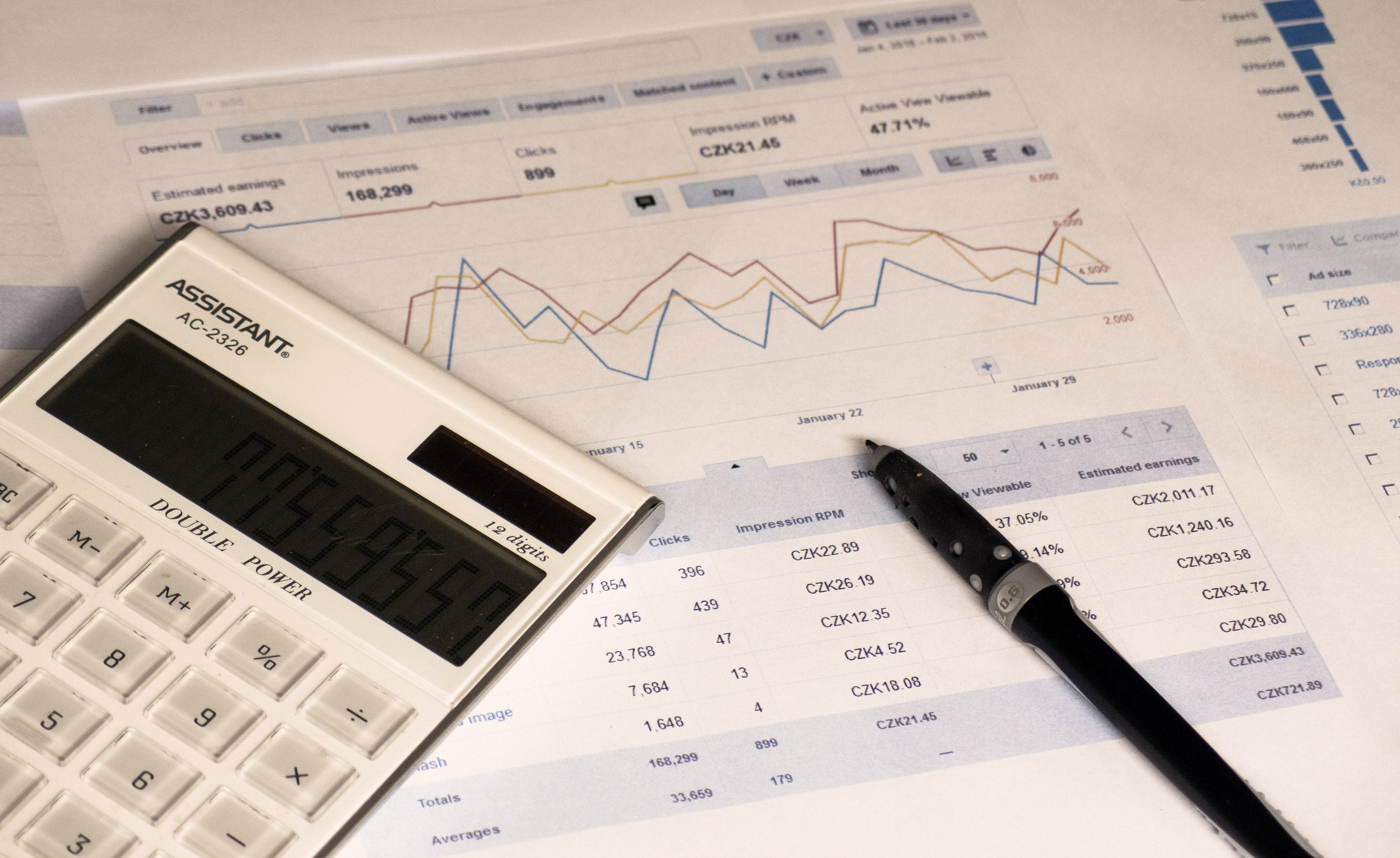
In conclusion, adopting the right accounting software is a strategic imperative for any manufacturing business aiming for sustained growth and competitive advantage. By understanding the unique demands of the sector, exploring available solutions, and recognizing the profound benefits, manufacturers can make informed decisions that lead to improved inventory control, more accurate pricing, enhanced profitability, and seamless regulatory compliance. The journey from selection to implementation, guided by key performance indicators, ensures that the chosen software becomes a powerful engine for operational excellence and financial health.
FAQ Insights
What is the primary difference between general accounting software and manufacturing accounting software?
General accounting software focuses on financial transactions, while manufacturing accounting software includes specialized modules for cost accounting, inventory valuation (like FIFO, LIFO, weighted average), bill of materials management, and production tracking, which are essential for the complexities of production environments.
How does manufacturing accounting software help in managing inventory?
It provides features for real-time tracking of raw materials, work-in-progress, and finished goods, enabling accurate valuation, reducing carrying costs, minimizing stockouts through better demand forecasting, and improving order fulfillment rates by ensuring adequate stock levels.
Can accounting software for manufacturing integrate with ERP systems?
Yes, integration with ERP (Enterprise Resource Planning) systems is a key feature of advanced manufacturing accounting software. This integration allows for a seamless flow of data between financial management, production planning, supply chain, and other critical business functions, providing a holistic view of operations.
What are the benefits of using cloud-based accounting software for manufacturers?
Cloud-based solutions offer scalability, accessibility from anywhere, automatic updates, and often lower initial investment compared to on-premise systems. They also typically come with robust security measures and disaster recovery capabilities.
How does accounting software assist with regulatory compliance in manufacturing?
It helps by ensuring data integrity, providing audit trails, automating reporting for tax and regulatory bodies, and maintaining accurate records of all financial transactions and production costs, making audits more manageable and compliance easier to achieve.