Wholesale distribution software small business is a pivotal tool for any growing enterprise in this sector. This comprehensive guide delves into how specialized software can transform operations, offering a detailed look at its benefits, essential features, implementation, and impact on profitability and scalability. We aim to provide a clear and actionable roadmap for small businesses looking to leverage technology for success in the competitive wholesale market.
Navigating the complexities of wholesale distribution demands efficiency, accuracy, and strategic insight. This content explores how dedicated software solutions empower small businesses to streamline inventory, automate orders, enhance customer relationships, and make data-driven decisions. From understanding core advantages to practical implementation and future-proofing, this resource is designed to equip you with the knowledge to select and utilize the right tools for your business’s unique needs and growth trajectory.
Uncover the fundamental benefits that specialized software brings to the operational efficiency of small businesses involved in wholesale distribution.
For small businesses navigating the complexities of wholesale distribution, operational efficiency isn’t just a buzzword; it’s the bedrock of survival and growth. Specialized software solutions are no longer a luxury but a critical investment that directly addresses the unique challenges faced by these enterprises. By automating and optimizing core functions, these systems empower small distributors to compete more effectively, enhance customer satisfaction, and achieve sustainable profitability.
This transformation hinges on several key advantages that streamline day-to-day operations and pave the way for strategic advancement.The impact of specialized wholesale distribution software on a small business’s operational efficiency is profound and multi-faceted. At its core, it’s about moving away from manual, time-consuming processes that are prone to human error and towards a more automated, data-driven approach. This shift is crucial for small businesses that often operate with lean teams and limited resources, where every minute saved and every error avoided translates directly into improved productivity and a stronger bottom line.
The software acts as a central nervous system, connecting disparate functions and providing a unified view of the business, which is essential for agile decision-making in a dynamic market.
Streamlined Inventory Management
Effective inventory management is paramount for any wholesale distributor. Specialized software provides robust tools to track stock levels in real-time, monitor product movement, and forecast demand with greater accuracy. This significantly reduces the risk of costly stockouts, which can lead to lost sales and damaged customer relationships, as well as overstocking, which ties up valuable capital and incurs storage costs.
By maintaining optimal inventory levels, businesses can ensure they always have the right products available for their customers, thereby enhancing service reliability and customer loyalty.The benefits of precise inventory control include:
- Real-time Stock Visibility: Access to up-to-the-minute data on inventory levels across all warehouses and sales channels.
- Automated Reordering: Systems can be configured to automatically generate purchase orders when stock falls below predefined thresholds, preventing stockouts.
- Demand Forecasting: Utilizing historical sales data and market trends to predict future demand, allowing for more strategic purchasing.
- Lot and Serial Number Tracking: Essential for businesses dealing with perishable goods, regulated products, or items requiring traceability, ensuring compliance and efficient recall management.
- Inventory Valuation: Accurate tracking of inventory costs using various methods (e.g., FIFO, LIFO) for precise financial reporting.
Automated Order Processing
Manual order processing is a notorious bottleneck for small businesses. It involves numerous steps, from order entry and verification to invoicing and shipping, each presenting opportunities for errors and delays. Wholesale distribution software automates these workflows, significantly reducing the time and effort required. This not only accelerates the order fulfillment cycle, leading to faster deliveries and happier customers, but also frees up employees from repetitive administrative tasks.
These freed-up resources can then be redirected towards more value-added activities, such as sales, customer service, or strategic planning.The automation of order processing yields several key improvements:
- Reduced Data Entry Errors: Eliminates the need for manual input of order details, minimizing typos and incorrect information.
- Faster Order Turnaround: Orders are processed and transmitted to fulfillment or warehousing much quicker, shortening the time from order placement to delivery.
- Integrated Invoicing: Automatically generates accurate invoices based on order details, ensuring timely billing and improving cash flow.
- Streamlined Shipping and Fulfillment: Integrates with shipping carriers and warehouse management systems to optimize packing, labeling, and dispatch processes.
“Automation in order processing directly translates to quicker revenue realization and enhanced customer satisfaction through faster fulfillment.”
Enhanced Customer Relationship Tracking
In the wholesale distribution landscape, strong customer relationships are a competitive differentiator. Specialized software provides tools to effectively manage customer interactions, track purchase history, and understand individual client needs. This allows for personalized service, proactive problem-solving, and the identification of upselling or cross-selling opportunities. By having a comprehensive view of each customer, small businesses can build deeper loyalty and foster long-term partnerships, which are crucial for stable revenue streams.Key aspects of enhanced customer relationship tracking include:
- Centralized Customer Database: A single repository for all customer information, including contact details, order history, payment terms, and communication logs.
- Personalized Communication: Enables tailored outreach based on past purchases, preferences, and service needs.
- Improved Responsiveness: Quick access to customer data allows for faster and more informed responses to inquiries and issues.
- Sales Performance Analysis: Insights into customer buying patterns can inform sales strategies and identify key accounts for focused attention.
- Complaint and Issue Resolution: Efficiently track and manage customer complaints, ensuring timely resolution and improved service recovery.
Real-time Data Visibility for Better Decision-Making
One of the most significant advantages of specialized wholesale distribution software is the provision of real-time data visibility across all operational facets. This means that management and relevant staff have immediate access to accurate, up-to-date information on sales, inventory, financials, and customer activities. This constant stream of reliable data is invaluable for making informed and timely decisions. Instead of relying on outdated reports or educated guesses, decision-makers can analyze current trends, identify potential issues before they escalate, and capitalize on emerging opportunities.The benefits of real-time data visibility are extensive:
- Agile Response to Market Changes: Ability to quickly adapt strategies based on current sales performance and inventory levels.
- Proactive Problem Identification: Early detection of discrepancies in inventory, order fulfillment delays, or declining sales trends.
- Optimized Resource Allocation: Better understanding of where resources are most needed, whether in inventory replenishment, staffing, or marketing efforts.
- Accurate Financial Forecasting: Real-time financial data supports more reliable revenue projections and expense management.
- Performance Monitoring: Continuous tracking of key performance indicators (KPIs) allows for immediate assessment of operational health and effectiveness.
Exploring Essential Features for Wholesale Distribution Software
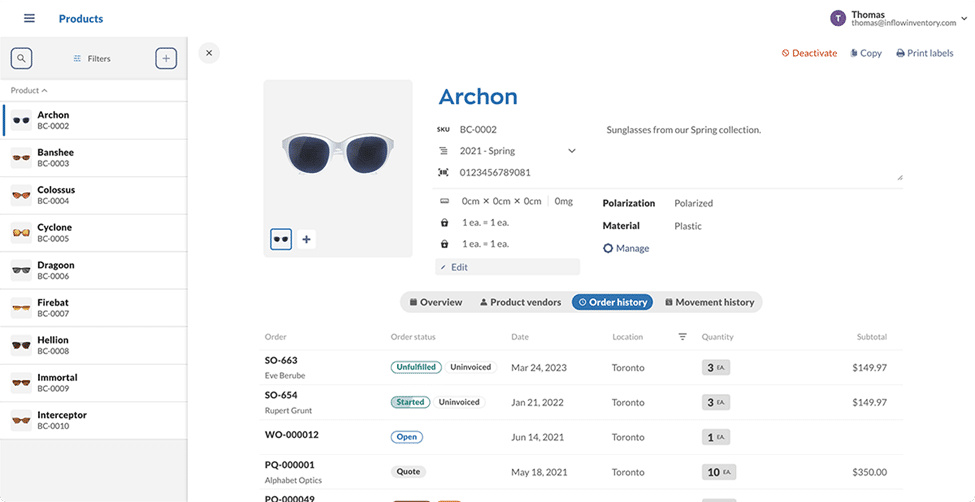
Choosing the right wholesale distribution software is a pivotal decision for small businesses aiming to streamline operations and boost efficiency. It’s not just about having a system; it’s about having a system that is perfectly tailored to the unique demands of your distribution business. This means looking beyond basic functionalities and identifying features that directly address your day-to-day challenges and growth aspirations.
Prioritizing the right functionalities ensures that your software investment translates into tangible improvements in speed, accuracy, and customer satisfaction.When a small business in wholesale distribution evaluates software, a few core functionalities stand out as non-negotiable. These features are the bedrock upon which efficient operations are built, enabling businesses to manage their stock, process orders, track sales, and maintain strong customer relationships effectively.
Investing in software that excels in these areas will lay a solid foundation for scalability and sustained success.
Robust Inventory Control
Effective inventory management is paramount in wholesale distribution, directly impacting profitability and customer satisfaction. The ability to know precisely what you have, where it is, and how much is selling is critical.A robust inventory control system within your software should offer:
- Real-time stock level tracking: This provides an accurate, up-to-the-minute view of inventory across all locations, preventing overselling and stockouts.
- Automated reorder points: Set minimum stock levels that trigger automatic notifications or purchase orders when inventory dips below a certain threshold.
- Lot and serial number tracking: Essential for industries with expiry dates or warranty requirements, allowing for precise tracking of specific batches or individual items.
- Multiple warehouse management: If your business operates from more than one storage facility, the software must be able to manage and track inventory across all of them seamlessly.
- Stock valuation methods: Support for different accounting methods like FIFO (First-In, First-Out) or LIFO (Last-In, First-Out) to accurately reflect the cost of goods sold.
This level of control minimizes holding costs, reduces waste from expired or obsolete stock, and ensures that popular items are always available to meet demand.
Order Fulfillment Automation
The process of receiving, processing, and shipping orders is a core operational area that can become a significant bottleneck if not managed efficiently. Automation here directly translates to faster turnaround times and reduced errors.Key aspects of order fulfillment automation to look for include:
- Automated order entry: Streamlining the process of inputting new orders, whether from manual entry, integrations, or online platforms.
- Pick list generation: Automatically creating optimized pick lists for warehouse staff, often sorted by aisle or location to minimize travel time.
- Packing slip and shipping label generation: Automating the creation of necessary documentation for shipments, reducing manual data entry and associated errors.
- Backorder management: Intelligent handling of out-of-stock items, allowing for automatic splitting of orders or backorder notifications.
- Integration with shipping carriers: Direct links to carriers to get real-time shipping rates and print shipping labels, simplifying the shipping process.
By automating these steps, businesses can significantly speed up the time from order placement to shipment, leading to happier customers and improved operational throughput.
Sales Tracking and Customer Management
Understanding your sales performance and maintaining excellent customer relationships are vital for growth. The software should provide tools to monitor sales activities and keep track of customer interactions and preferences.Essential functionalities in this area include:
- Comprehensive sales history: Access to detailed records of past orders, including items purchased, quantities, pricing, and dates.
- Customer profiles: Centralized storage of customer information, including contact details, payment terms, order history, and any special notes or preferences.
- Sales performance reporting: Tools to analyze sales by product, customer, region, or sales representative to identify trends and opportunities.
- Quote and proposal generation: The ability to quickly create and send professional quotes and proposals to potential clients.
- Customer communication logging: Recording interactions with customers, such as phone calls, emails, or meetings, to provide a holistic view of the relationship.
This integrated approach allows for more personalized customer service, targeted marketing efforts, and informed sales strategies.
Integration Capabilities
In today’s interconnected business environment, your wholesale distribution software shouldn’t operate in a silo. Seamless integration with other critical business tools is crucial for a unified operational view and enhanced efficiency.The importance of integration lies in:
- Accounting Software Integration: Connecting with your accounting software (e.g., QuickBooks, Xero) automates the transfer of financial data, such as invoices, payments, and inventory valuation. This eliminates duplicate data entry, reduces accounting errors, and provides real-time financial insights.
- E-commerce Platform Integration: For businesses selling online, integrating with platforms like Shopify, WooCommerce, or Amazon Seller Central allows for automatic synchronization of product catalogs, inventory levels, and orders. This ensures that your online storefront always reflects accurate stock availability and that online orders are processed efficiently.
- CRM Integration: Linking with a Customer Relationship Management (CRM) system can further enhance customer management by providing sales teams with real-time access to order history and inventory data, enabling more informed and personalized customer interactions.
These integrations create a more cohesive workflow, reducing manual data handling and providing a single source of truth across different business functions.
Reporting and Analytics
Data is a powerful asset for any business, and wholesale distributors are no exception. The software’s reporting and analytics capabilities are instrumental in transforming raw data into actionable insights.Key reporting and analytics features empower businesses to:
- Identify best-selling products: Understand which items are driving revenue and adjust purchasing and marketing strategies accordingly.
- Analyze sales trends: Detect seasonal patterns, understand customer purchasing behavior, and forecast future demand more accurately.
- Pinpoint operational bottlenecks: Identify areas in the order fulfillment process or inventory management that are causing delays or inefficiencies.
- Track profitability: Monitor gross margins on products and orders to ensure healthy financial performance.
- Measure key performance indicators (KPIs): Track metrics such as order accuracy rate, on-time delivery rate, inventory turnover, and customer acquisition cost.
“Data-driven decisions are the cornerstone of sustainable growth in a competitive wholesale market.”
By leveraging these insights, small businesses can make informed strategic decisions, optimize resource allocation, and proactively address challenges before they impact the bottom line.
Hypothetical Scenario: Barcode Scanning for Enhanced Warehouse Operations
Consider a small wholesale distributor, “SwiftShip Supplies,” that primarily deals with electronic components. They often receive large shipments from various manufacturers and need to pick orders accurately and quickly for their diverse customer base. Before implementing specialized software with barcode scanning, their receiving and picking processes were manual, time-consuming, and prone to human error.With the new wholesale distribution software, SwiftShip Supplies integrates barcode scanning for both receiving and picking.
Receiving Process Enhancement:When a new shipment of circuit boards arrives, the warehouse team uses a handheld barcode scanner connected to the software. Each box or individual item has a pre-printed barcode.
- The receiver scans the barcode on the incoming product.
- The software instantly identifies the product, checks it against the expected purchase order, and verifies the quantity.
- If there’s a discrepancy (e.g., wrong item, incorrect quantity), the software flags it immediately, allowing the receiver to address it with the supplier before the goods are even put away.
- Once verified, the software automatically updates the inventory levels for that specific product, assigning it to the designated warehouse location.
This process reduces the time spent on manual data entry for receiving by an estimated 60% and virtually eliminates errors in what is recorded as received. Picking Process Enhancement:When a customer order comes in for various electronic components, the software generates a pick list that is displayed on a mobile device or tablet carried by the picker.
- The picker goes to the location indicated on their pick list.
- They scan the barcode of the product they are about to pick.
- The software confirms that the correct item and quantity are being picked.
- If the picker attempts to scan an incorrect item or a different quantity than ordered, the system alerts them, preventing errors before they reach the packing station.
- Upon successful scanning and picking, the software automatically deducts the items from inventory in real-time.
This barcode-driven picking process for SwiftShip Supplies has led to a significant reduction in order fulfillment errors, dropping from an average of 3% to less than 0.5%. The speed of picking has also increased by approximately 30%, allowing them to process more orders per day and improve customer satisfaction through faster deliveries. The ability to quickly and accurately receive and pick goods, thanks to barcode scanning integrated into their distribution software, has become a critical competitive advantage for SwiftShip Supplies.
Demonstrate the practical implementation steps and considerations for a small business adopting new wholesale distribution software.: Wholesale Distribution Software Small Business
Implementing new wholesale distribution software is a significant step for any small business, promising enhanced efficiency and better control over operations. This transition, while exciting, requires careful planning and execution to ensure a smooth shift with minimal disruption. A well-managed adoption process can unlock the full potential of the software, leading to tangible improvements in productivity and profitability.The journey from selecting software to its full operational integration involves several key stages.
Each stage presents unique challenges and requires specific attention to detail. By understanding these steps and employing best practices, small businesses can navigate this process effectively, ensuring that the new system becomes a valuable asset rather than a source of frustration.
The Onboarding Process: Data Migration, System Configuration, and User Training
The onboarding process is the bedrock of a successful software implementation. It encompasses the critical tasks of moving existing data into the new system, tailoring the software to the specific needs of the business, and equipping the team with the knowledge to use it effectively. This phase is often the most time-consuming but is crucial for setting up the foundation for future success.
Data migration involves transferring essential business information from legacy systems or manual records into the new wholesale distribution software. This typically includes:
- Customer databases: Contact information, credit terms, order history, and delivery preferences.
- Product catalogs: Item codes, descriptions, pricing tiers, unit of measures, and supplier details.
- Inventory levels: Current stock quantities, locations, and reorder points.
- Historical sales data: Past orders and invoicing details to maintain continuity and for reporting purposes.
System configuration involves customizing the software’s settings and workflows to align with the business’s unique operational processes. This may include:
- Setting up user roles and permissions to control access to sensitive data and functionalities.
- Defining sales order workflows, from initial entry to fulfillment and invoicing.
- Configuring tax rules, shipping methods, and payment terms.
- Integrating with other business tools, such as accounting software or e-commerce platforms.
User training is paramount to ensure that employees can effectively utilize the new software. A comprehensive training program should cover:
- Core functionalities relevant to each user’s role.
- How to perform daily tasks, such as creating orders, managing inventory, and generating reports.
- Troubleshooting common issues and understanding support channels.
- Best practices for data entry and system usage to maintain data integrity.
Best Practices for a Smooth Transition
Minimizing disruption during the software adoption process is critical for maintaining business momentum. Implementing a phased approach, clear communication, and dedicated support are key strategies.
Discover more by delving into accounting software for manufacturing business further.
To ensure a seamless transition with minimal impact on ongoing operations, consider these best practices:
- Phased Rollout: Instead of a complete overhaul, introduce the software module by module or to a specific department first. This allows for troubleshooting and refinement before full deployment. For example, a small distributor might first implement the order management module, then the inventory tracking, and finally the reporting features.
- Dedicated Project Team: Assign a small, cross-functional team responsible for overseeing the implementation. This team should include representatives from sales, operations, and IT (if applicable) to ensure all perspectives are considered.
- Clear Communication Plan: Keep all stakeholders informed about the implementation timeline, progress, and any potential impacts. Regular updates, town hall meetings, and Q&A sessions can address concerns and build buy-in.
- Comprehensive Documentation: Develop user manuals, quick reference guides, and FAQs tailored to your business’s specific configurations.
- Pilot Testing: Before going live company-wide, conduct a pilot test with a small group of users to identify any bugs or usability issues. This allows for adjustments before impacting the entire organization.
- Adequate Support: Ensure that both internal support (the project team) and external vendor support are readily available during and immediately after the go-live period.
Setting Up Initial Inventory Counts and Defining Product Categories
Accurate inventory data and logical product categorization are foundational for effective management within any wholesale distribution system. These elements directly impact stock accuracy, order fulfillment, and sales analysis.
The initial setup of inventory counts and product categories requires meticulous attention to detail. This process involves:
- Physical Inventory Count: Conduct a thorough physical count of all inventory items. This is the most accurate way to establish a baseline for your stock levels in the new system. It’s advisable to perform this count during a period of low activity or scheduled downtime to avoid disrupting sales. For instance, a distributor of perishable goods might conduct a full count at the end of a business day or over a weekend.
- Data Verification: Cross-reference the physical count with any existing records to identify discrepancies. Investigate and reconcile any significant differences before entering the data into the new software.
- Defining Product Categories: Establish a clear and logical hierarchy for your product categories. This might be based on product type (e.g., electronics, apparel, office supplies), brand, supplier, or a combination of factors. A well-defined structure simplifies searching, reporting, and inventory management. For example, a clothing distributor might categorize by “Men’s Apparel,” “Women’s Apparel,” and “Children’s Apparel,” with subcategories for “Tops,” “Bottoms,” and “Outerwear.”
- Product Attributes: For each product, define essential attributes such as SKU (Stock Keeping Unit), unit of measure (e.g., each, case, pallet), weight, dimensions, and any relevant serial numbers or lot numbers.
Testing Core Software Functions Before Full Deployment
Thorough testing is a non-negotiable step to ensure the wholesale distribution software performs as expected and meets business requirements before it becomes the primary operational tool. This proactive approach helps prevent costly errors and operational slowdowns post-launch.
A structured testing sequence is crucial for validating the software’s capabilities. The following steps Artikel a recommended approach:
- Unit Testing: Individual components or modules of the software are tested in isolation. This might involve testing the functionality of creating a new customer record, adding a product to the catalog, or processing a simple sales order.
- Integration Testing: This phase verifies that different modules of the software work together seamlessly. For example, testing how a sales order automatically updates inventory levels, or how an invoice generation process interacts with the accounting module.
- User Acceptance Testing (UAT): End-users perform real-world scenarios to ensure the software meets their operational needs and is intuitive to use. This is where scenarios like processing a bulk order, managing returns, or generating a specific sales report are tested by the actual staff who will be using the system daily.
- Performance Testing: The software is tested under various load conditions to ensure it can handle the expected volume of transactions and users without significant degradation in speed or stability. This is especially important for businesses anticipating peak sales periods.
- Scenario-Based Testing: Create and test end-to-end business scenarios that mimic typical daily operations. This could include a full order cycle: receiving a customer order, checking inventory, picking and packing, shipping, and invoicing.
- Data Validation Testing: Verify the accuracy and integrity of data entered and processed by the system. This includes checking calculations for pricing, taxes, and discounts.
“Thorough testing is not an optional step; it’s a prerequisite for a successful software deployment, safeguarding against operational disruptions and ensuring data integrity.”
Illustrate the impact of enhanced inventory control through specialized software on a small wholesale distributor’s profitability.
For a small wholesale distribution business, effective inventory management isn’t just about having products on shelves; it’s a critical driver of profitability. Specialized software transforms this aspect from a potential drain on resources into a powerful engine for cost reduction and revenue maximization. By providing a crystal-clear view of every item that enters and leaves the business, these systems empower distributors to make smarter decisions, optimize stock levels, and ultimately, boost their bottom line.
The ability to accurately track stock movement, from the moment goods are received from suppliers to their eventual sale to customers, and even accounting for returns, is the cornerstone of this enhanced control.Precise tracking of stock movement is the bedrock upon which enhanced profitability is built. When a small wholesale distributor has a real-time, accurate record of every item’s journey, they gain unparalleled insight into their operations.
Receiving accurate data means avoiding costly errors like over-ordering or under-ordering. Over-ordering ties up capital in inventory that might sit idle, incurring storage costs and risking obsolescence. Conversely, under-ordering leads to stockouts, resulting in lost sales, unhappy customers, and a damaged reputation. Software that meticulously records each transaction – from purchase orders, inbound shipments, sales orders, outbound shipments, to customer returns – creates a digital audit trail.
This trail allows for immediate identification of discrepancies, whether they stem from supplier errors, internal handling issues, or theft. Such immediate identification facilitates swift corrective action, preventing small issues from snowballing into significant financial losses. Furthermore, by understanding precisely which products are moving and at what pace, distributors can refine their purchasing strategies, aligning them more closely with actual demand.
This reduces the amount of capital unnecessarily locked into inventory, freeing up funds for investment in growth, marketing, or other strategic initiatives. Ultimately, minimizing waste, reducing carrying costs, and ensuring product availability translate directly into higher gross margins and increased net profit.
Inventory Turnover Rate Optimization
The inventory turnover rate is a key performance indicator that measures how many times a company sells and replaces its inventory over a period. A higher turnover rate generally signifies efficient inventory management and strong sales, while a low rate can indicate overstocking, poor sales, or obsolete inventory. Specialized wholesale distribution software plays a pivotal role in improving this crucial metric by providing the data and tools necessary for informed decision-making.
The software offers real-time visibility into stock levels, sales velocity, and lead times from suppliers. This allows distributors to identify products that are selling quickly and ensure sufficient stock is available to meet demand, thus preventing stockouts and maximizing sales opportunities. Conversely, it helps pinpoint items with slow sales or those nearing their expiration dates. By analyzing this data, businesses can implement strategies to move these slower-moving items, such as targeted promotions, bulk discounts, or bundling with faster-selling products.
The software also aids in optimizing reorder points and quantities, ensuring that stock is replenished just in time, rather than sitting in the warehouse for extended periods. This reduces the amount of capital tied up in inventory, lowers carrying costs (like warehousing, insurance, and potential spoilage), and improves the overall efficiency of the supply chain. A well-managed inventory turnover rate, facilitated by software, directly contributes to improved cash flow and profitability.
Identifying and Managing Slow-Moving or Obsolete Inventory
One of the most significant impacts of specialized inventory control software on a small wholesale distributor’s profitability lies in its ability to proactively identify and manage slow-moving or obsolete inventory. Traditional methods often involve manual checks and estimations, leading to delays in recognizing these issues. Software, however, provides immediate, data-driven insights. It can flag items that haven’t sold within a defined period, have consistently low sales volumes, or are nearing their expiration or obsolescence dates.
This early detection is crucial. Instead of letting these items continue to occupy valuable warehouse space and tie up capital, distributors can implement targeted sales strategies. This might include:
- Running clearance sales or offering deep discounts to move remaining stock.
- Creating bundled offers, pairing slow-moving items with popular products to incentivize purchases.
- Implementing promotional campaigns specifically targeting these items through email marketing or social media.
- Negotiating with suppliers for returns or exchanges if possible, especially for items with remaining shelf life.
By taking these proactive measures, businesses can recoup at least some of the investment in these items, rather than facing complete write-offs. Minimizing write-offs directly translates to a healthier profit margin. Obsolete inventory represents a sunk cost; the sooner it’s identified and addressed, the less financial damage it inflicts. Software provides the intelligence needed to turn a potential loss into a managed cost recovery, thereby safeguarding profitability.
Visual Description of a Well-Organized Digital Inventory System
Imagine logging into your wholesale distribution software. Instead of a cluttered spreadsheet or a disorganized physical bin system, you’re greeted with a clean, intuitive dashboard. At the top, a summary might display key metrics: total inventory value, items currently in stock, and perhaps a snapshot of recent sales. Moving to the inventory management module, you see a well-structured table. Each row represents a unique product.
The columns are clearly labeled and provide essential information at a glance:
- Item Name/SKU: The primary identifier for the product.
- Description: A brief, informative description.
- Current Stock Level: A prominent number indicating how many units are available. This might be color-coded – green for optimal levels, yellow for approaching reorder points, and red for critically low stock.
- Unit Cost: The cost price per item.
- Selling Price: The price at which the item is sold to customers.
- Reorder Point: The stock level at which a new order should be placed.
- Lead Time: The estimated time to receive new stock after ordering.
- Sales Velocity: A metric showing how quickly the item is selling, perhaps displayed as units sold per day/week.
- Last Sold Date: The date the item was last purchased by a customer.
- Expiration Date (if applicable): Crucial for perishable goods.
Beyond the main table, you can easily filter and sort this data. Need to see all items with stock levels below their reorder point? A quick click does that. Want to identify products that haven’t sold in the last 90 days? That’s also a simple filter.
Each product entry might also have a dedicated detail page accessible with a single click, providing a complete history of its movement – all receiving dates, quantities, sales orders it was part of, and any returns. This digital system is not just organized; it’s dynamic, accessible from any device, and provides the clarity and immediate insights that are vital for making profitable inventory decisions.
Comparing Approaches to Customer Order and Payment Management in Wholesale Distribution Software
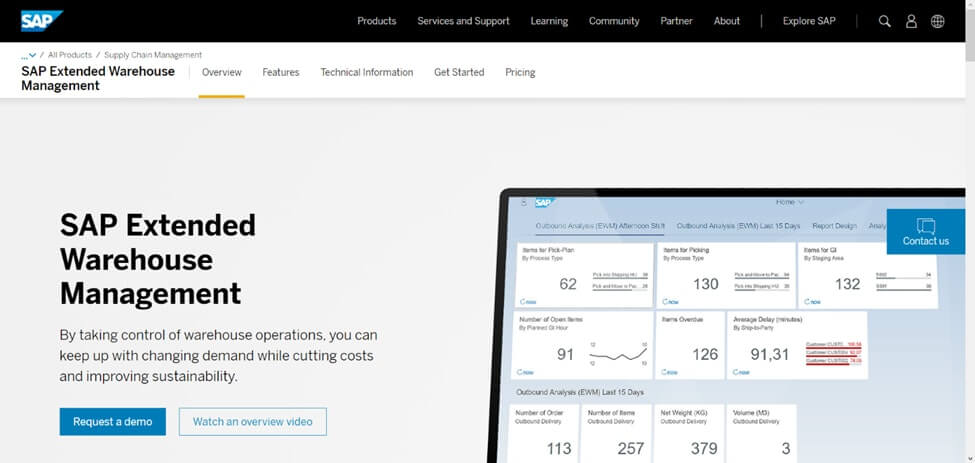
Effectively managing customer orders and payments is a cornerstone of profitability and operational smoothness for any small wholesale distribution business. Software solutions offer a spectrum of approaches, ranging from traditional manual methods to highly automated, integrated systems. Understanding these differences is crucial for selecting the right tools to streamline operations, enhance customer satisfaction, and accelerate cash flow. This section delves into the various ways software can handle these critical functions, highlighting the advantages of modern, automated solutions.
Automated Order Entry vs. Manual Input
The transition from manual order entry to automated systems represents a significant leap in efficiency and accuracy for wholesale distributors. Manual input, often involving spreadsheets or paper forms, is inherently prone to human error. Typos in product codes, quantities, or customer details can lead to incorrect shipments, delayed deliveries, and costly returns. This not only frustrates customers but also consumes valuable time and resources for the distributor to rectify.Automated order entry, on the other hand, drastically reduces these risks.
When orders are entered directly into specialized software, whether through a salesperson’s device or directly by the customer, the system can validate data in real-time. This includes checking product availability, pricing accuracy, and customer credit limits. The speed at which orders can be processed increases exponentially. For instance, a system that can process a bulk order of 50 different SKUs in minutes, compared to potentially an hour or more for manual entry and verification, frees up staff for more strategic tasks.
The average cost of a data entry error in a business environment can range from $15 to $100, depending on the complexity and impact of the mistake. For wholesale distributors, this cost can escalate significantly with incorrect shipments or inventory discrepancies.
The accuracy provided by automated systems also translates to better inventory management and forecasting. With orders flowing directly into the system, inventory levels are updated instantaneously, providing a true, real-time view of stock. This precision minimizes the chances of stockouts or overstocking, both of which can negatively impact profitability.
Online Customer Portals for Self-Service Ordering
Empowering customers with self-service capabilities through online portals is a transformative approach for small wholesale distributors. These portals act as a digital storefront and order management hub, allowing clients to browse product catalogs, check real-time stock levels, view past orders, and place new orders at their convenience, 24/7. This significantly reduces the administrative burden on the sales and customer service teams.Instead of fielding numerous phone calls and emails to take orders, staff can focus on higher-value activities such as building relationships, resolving complex issues, or pursuing new business opportunities.
For the customer, the benefits are equally compelling. They gain immediate access to information and can place orders when it suits them, without waiting for business hours or sales representative availability. This convenience fosters customer loyalty and satisfaction. Furthermore, customer portals can be configured to display personalized pricing, promotions, and order history, further enhancing the tailored experience.
Integrated Payment Processing and Invoicing
The integration of payment processing and invoicing within wholesale distribution software is pivotal for accelerating cash flow and simplifying financial operations. When invoicing is automatically generated based on fulfilled orders, and payment processing is seamlessly linked, the entire order-to-cash cycle is shortened. This means that invoices are sent out promptly, and customers have multiple convenient payment options, such as credit cards, ACH transfers, or online payment gateways.This integration eliminates the need for separate accounting software or manual invoice creation and payment reconciliation.
The software can automatically track outstanding payments, send reminders, and even apply late fees if configured. Faster payment cycles directly translate to improved working capital, allowing businesses to invest more in inventory, operations, or growth initiatives. For example, a distributor that can reduce its average days sales outstanding (DSO) from 45 days to 30 days through efficient invoicing and payment processing can significantly improve its cash position.
Obtain direct knowledge about the efficiency of best accounting software for inventory through case studies.
Procedural Framework for Handling Returns and Exchanges
A well-defined software-driven procedure for handling returns and exchanges is essential for maintaining customer trust and managing inventory effectively. A robust wholesale distribution software solution will typically include a dedicated module for returns merchandise authorization (RMA).The process usually begins with the customer initiating a return request, either through the online portal or by contacting customer service. The software then guides the user through creating an RMA, specifying the reason for the return, the items being returned, and the desired resolution (e.g., refund, exchange, store credit).The key steps in a software-managed returns process include:
- RMA Generation: Creating a unique RMA number within the system to track the return.
- Inspection and Approval: Once the item is received, it can be inspected, and the return status updated in the software. This might involve flagging items for restocking, repair, or disposal.
- Inventory Adjustment: Automatically updating inventory levels to reflect the returned items, ensuring accuracy.
- Processing Resolution: Executing the chosen resolution, such as issuing a credit memo for a refund, creating a new sales order for an exchange, or processing a repair order.
- Communication: The system can automatically send notifications to the customer at each stage of the return process, keeping them informed.
This structured approach ensures that returns are handled consistently, efficiently, and transparently, minimizing disputes and enhancing customer satisfaction even when things go wrong.
Comparative Analysis of Software Tiers for Varying Order Volumes
Wholesale distribution software solutions are often offered in tiered packages to cater to businesses of different sizes and complexities. For small businesses with low to moderate order volumes, basic tiers might offer core functionalities like order entry, basic inventory tracking, and simple invoicing. These are typically more affordable and easier to implement, making them suitable for startups or businesses with a limited product range and customer base.As order volumes increase and business complexity grows, mid-tier solutions become more appropriate.
These tiers usually include advanced inventory management features, multi-user capabilities, more sophisticated reporting, and potentially customer portals. They strike a balance between functionality and cost, providing the necessary tools for growing businesses without overwhelming them with features they don’t need.For businesses experiencing high order volumes, complex supply chains, or a diverse product catalog, higher-tier solutions are essential. These often include robust CRM integration, advanced demand forecasting, warehouse management system (WMS) capabilities, and extensive customization options.
While these come at a higher price point, they are crucial for maintaining efficiency, scalability, and competitive advantage in high-throughput environments. The key is to match the software’s capabilities to the business’s current needs and future growth trajectory.
Elucidate the Role of Reporting and Analytics Tools within Wholesale Distribution Software for Strategic Growth in Small Enterprises
In the dynamic world of wholesale distribution, making informed decisions is paramount for sustained growth and profitability. Specialized wholesale distribution software goes beyond mere transaction processing; it acts as a powerful engine for strategic insight through its robust reporting and analytics capabilities. For small businesses, these tools transform raw data into actionable intelligence, enabling them to navigate market shifts, optimize operations, and ultimately outmaneuver competitors.
Understanding and leveraging these analytics is no longer a luxury but a fundamental necessity for small enterprises aiming for strategic advancement.The true power of reporting and analytics lies in its ability to extract meaningful patterns and trends from the vast amounts of data generated daily. By analyzing sales figures, tracking inventory turnover, and understanding customer purchasing habits, small distributors can move from reactive problem-solving to proactive strategy development.
This data-driven approach minimizes guesswork, reduces operational costs, and identifies new revenue streams, all contributing to a more resilient and profitable business model. The software acts as a sophisticated interpreter, translating complex operational data into clear, understandable insights that guide critical business decisions.
Standard Reports for Small Distributors
Small wholesale distributors can significantly enhance their operational oversight by regularly reviewing a suite of standard reports. These reports provide a foundational understanding of business performance across key areas, allowing for quick identification of successes and areas needing attention. Their value lies in their ability to offer a consistent and quantifiable view of operations, enabling comparisons over time and against benchmarks.The most valuable standard reports for small distributors typically include:
- Best-Selling Products: This report identifies the top-performing items in terms of units sold and revenue generated. It helps in making decisions about stock levels, marketing focus, and identifying potential new product lines. For example, a distributor consistently seeing high sales of a particular brand of fasteners might explore stocking complementary tools or expanding the range of that brand.
- Sales by Customer: Understanding which customers contribute the most revenue is crucial for relationship management and sales strategy. This report can highlight key accounts that warrant special attention, loyalty programs, or targeted upselling opportunities. A distributor might notice a steady increase in orders from a specific retail chain, prompting them to offer volume discounts or dedicated account management.
- Inventory Valuation: This report provides a clear picture of the monetary value of all inventory on hand. It is essential for financial reporting, insurance purposes, and understanding the capital tied up in stock. Knowing the precise value helps in managing cash flow and making informed purchasing decisions. For instance, a high inventory valuation might signal an opportunity to liquidate slow-moving stock to free up capital.
Obtain access to accounting and business management software to private resources that are additional.
- Sales by Region/Salesperson: These reports offer insights into geographical sales performance and the effectiveness of individual sales representatives. They can help in allocating sales territories, identifying training needs, and setting realistic sales targets.
- Order Fulfillment Rate: Tracking the percentage of orders fulfilled on time and accurately is a key indicator of operational efficiency and customer satisfaction.
Custom Report Generation for Unique Business Trends
While standard reports offer a solid baseline, the true competitive edge for small distributors often comes from the ability to generate custom reports. These tailored analyses allow businesses to delve deeper into specific operational aspects, uncover niche trends, and identify opportunities that might be missed by generic reporting. Custom reports are designed to answer unique business questions and explore hypotheses, providing highly specific data for strategic planning.Custom report generation can be utilized to uncover unique business trends and opportunities by:
- Analyzing Product Bundling Effectiveness: A distributor could create a custom report to see if certain products are frequently purchased together. If a report shows that customers buying Product A also consistently buy Product B, it might be an opportunity to create a bundled offer or a targeted cross-selling campaign.
- Identifying Seasonality of Specific Items: Beyond general sales trends, a custom report can pinpoint if certain products experience significant sales spikes or dips during specific months or seasons. This allows for more precise inventory planning and targeted marketing efforts. For example, a distributor of seasonal sporting goods might use this to optimize stock levels before peak demand.
- Evaluating the Impact of Promotions: Businesses can create reports to measure the direct impact of specific marketing campaigns or discounts on sales volume and profitability for particular products or customer segments.
- Tracking Returns by Reason: Understanding why products are returned can lead to improvements in product quality, shipping accuracy, or customer service. A custom report detailing return reasons can highlight recurring issues.
Hypothetical Dashboard Layout for Key Performance Indicators
A well-designed dashboard provides a small business owner with an at-a-glance overview of their most critical Key Performance Indicators (KPIs). This visual representation consolidates essential data, allowing for rapid assessment of business health and immediate identification of areas requiring attention. The layout should prioritize clarity and relevance, presenting information in an easily digestible format.A hypothetical dashboard layout for a small wholesale distributor owner might include the following sections:
| Section | Key Performance Indicators (KPIs) | Description and Value |
|---|---|---|
| Sales Performance | Total Revenue (Current Period vs. Previous Period) | A clear comparison of sales figures to track growth or decline. Example: “$150,000 this month vs. $120,000 last month (25% increase).” |
| Average Order Value (AOV) | Measures the average revenue generated per order. Example: “$1,500 AOV, indicating customers are buying in larger quantities.” | |
| Top 5 Selling Products (by Revenue) | Quick view of what’s driving sales. Example: “Product X, Product Y, Product Z…” | |
| Inventory Management | Inventory Turnover Rate | Indicates how many times inventory is sold and replaced over a period. Example: “Turnover Rate of 6, suggesting inventory is sold and replenished six times a year.” |
| Stockout Percentage | Percentage of items that were out of stock when ordered. Example: “1% Stockout Percentage, indicating good inventory control.” | |
| Inventory Valuation | Total monetary value of current inventory. Example: “$300,000 in inventory.” | |
| Customer Insights | New vs. Returning Customer Sales | Shows the balance between acquiring new customers and retaining existing ones. Example: “60% of sales from returning customers, 40% from new.” |
| Customer Acquisition Cost (CAC) | The cost to acquire a new customer. Example: “$50 CAC, needing to ensure lifetime value exceeds this.” | |
| Operational Efficiency | On-Time Delivery Rate | Percentage of orders delivered by the promised date. Example: “98% On-Time Delivery Rate, reflecting reliable logistics.” |
| Order Accuracy Rate | Percentage of orders fulfilled without errors. Example: “99.5% Order Accuracy Rate, minimizing costly returns.” |
This dashboard, often visualized with charts and graphs (e.g., trend lines for revenue, bar charts for top products, pie charts for customer types), allows a small business owner to quickly assess their current standing and make proactive adjustments. For instance, a dip in the “On-Time Delivery Rate” might prompt an immediate investigation into logistics or warehouse operations.
Investigating Scalability and Future-Proofing in Wholesale Distribution Software for Small Businesses
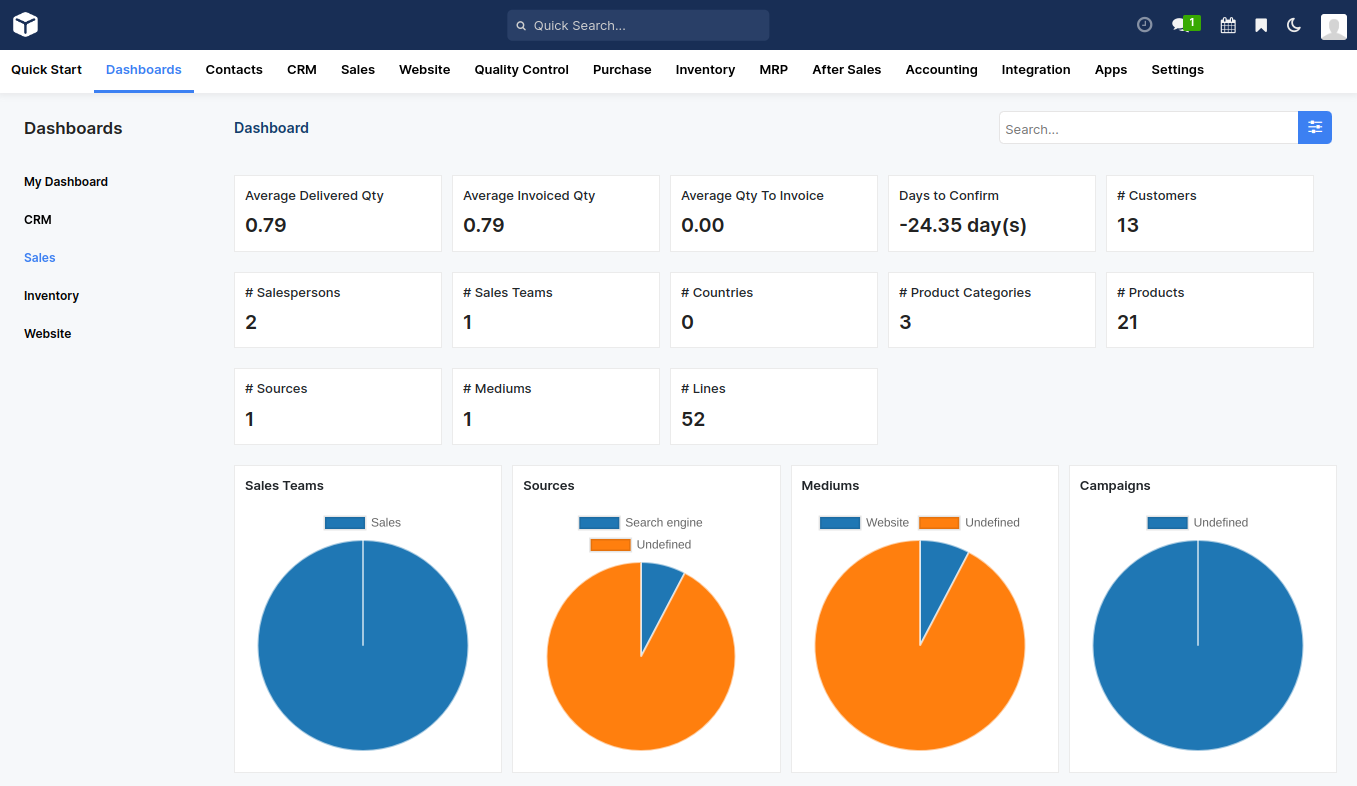
As a small business in the wholesale distribution sector, anticipating and planning for growth is not just a strategic advantage; it’s a necessity for long-term survival and prosperity. The software you choose today will directly impact your ability to scale tomorrow. Selecting a solution that can adapt to increasing inventory volumes, a larger customer base, and expanding product lines is crucial.
This adaptability ensures that your operational processes remain efficient and manageable, preventing bottlenecks and enabling you to capitalize on new opportunities without being hindered by technological limitations. A future-proofed system minimizes the need for costly and disruptive software migrations down the line, allowing you to focus on core business activities and strategic expansion.The dynamic nature of wholesale distribution demands software that is inherently flexible.
As your business grows, you’ll likely encounter several key areas where scalability becomes paramount. Firstly, inventory volumes will increase, requiring robust tracking and management capabilities that can handle larger SKUs, higher stock levels, and more complex warehouse layouts. Secondly, your customer base will expand, necessitating efficient management of more accounts, orders, and varying customer-specific pricing or terms. Finally, product lines may diversify, meaning the software must accommodate new product categories, variations, and potentially different supplier relationships.
Ignoring these scalability factors can lead to significant operational friction, errors, and missed revenue opportunities as your business outgrows its initial technological foundation.
Cloud-Based Solutions for Enhanced Accessibility and Upgradability
The move towards cloud-based wholesale distribution software offers significant advantages for small businesses looking to scale. Cloud solutions provide unparalleled accessibility, allowing your team to access critical data and manage operations from anywhere with an internet connection. This flexibility is invaluable for businesses with remote employees, multiple warehouse locations, or sales representatives on the road. Furthermore, cloud-based software inherently simplifies the upgrade process.
Instead of manual installations and complex configurations, software updates and new features are typically rolled out automatically by the vendor. This ensures you are always running the latest version of the software, benefiting from continuous improvements and security patches without significant IT overhead or downtime.The benefits of cloud-based platforms extend to cost-effectiveness and reduced IT burden. Small businesses often lack dedicated IT departments, making self-hosted or on-premise solutions a significant challenge.
Cloud solutions operate on a subscription model, transforming capital expenditures into predictable operational expenses. This also means the vendor manages the infrastructure, maintenance, and backups, freeing up valuable resources within your small business to focus on growth strategies.
Vendor Support and Future Feature Enhancements, Wholesale distribution software small business
When selecting wholesale distribution software, the ongoing relationship with the vendor is as critical as the software itself. Robust vendor support is essential, particularly for small businesses that may not have extensive in-house technical expertise. This support should encompass timely technical assistance, comprehensive training resources, and clear communication channels for troubleshooting issues. Beyond immediate support, consider the vendor’s roadmap for future feature enhancements.
A proactive vendor will continuously invest in developing new functionalities that address evolving industry trends and customer needs.Evaluating a vendor’s commitment to innovation and their track record of delivering updates is a key aspect of future-proofing your investment. Look for vendors who actively solicit customer feedback and incorporate it into their development cycles. This indicates a partner invested in your long-term success, not just a software provider.
“A scalable software solution acts as a growth engine, not a ceiling, for a small wholesale distributor.”
Transitioning from Basic Inventory Tracking to Comprehensive Distribution Management
Consider a hypothetical small business, “Artisan Goods Wholesale,” that initially managed its inventory using a spreadsheet. As their business grew, they found themselves overwhelmed by manual data entry, stock discrepancies, and inefficient order processing. This led to stockouts of popular items and delays in fulfilling customer orders, impacting customer satisfaction and revenue.Recognizing these limitations, Artisan Goods Wholesale decided to invest in specialized wholesale distribution software.
Their transition involved several steps:
- Initial Assessment: They first identified their core pain points: inaccurate inventory counts, time-consuming order entry, and lack of visibility into sales trends.
- Software Selection: They researched cloud-based distribution management platforms that offered features beyond basic inventory, including order management, customer relationship management (CRM), and basic reporting. They prioritized solutions with a clear upgrade path.
- Phased Implementation: Instead of a complete overhaul, they began by implementing the inventory management module, migrating their existing data and setting up real-time tracking. This allowed their team to adapt gradually.
- Module Expansion: Once comfortable with inventory, they integrated the order management module, streamlining the process of receiving, processing, and shipping orders. This significantly reduced errors and improved turnaround times.
- Leveraging CRM and Reporting: Finally, they integrated the CRM features to manage customer interactions and utilized the reporting tools to gain insights into sales performance, popular products, and inventory turnover.
This phased approach allowed Artisan Goods Wholesale to scale their operations effectively. What started as a simple inventory tracking need evolved into a comprehensive distribution management system, enabling them to handle increased order volumes, manage a growing product catalog, and serve a larger customer base with greater efficiency and profitability. The scalability of the chosen cloud-based software ensured that as their business expanded, their technology could expand with them, providing a solid foundation for continued growth.
Summary
In conclusion, the adoption of wholesale distribution software is no longer a luxury but a necessity for small businesses aiming for sustainable growth and competitive advantage. By meticulously evaluating needs, prioritizing key features, and planning for smooth implementation, businesses can unlock significant improvements in operational efficiency, customer satisfaction, and ultimately, profitability. The journey towards a more streamlined and data-informed wholesale operation begins with the right software partner, paving the way for future expansion and success.
Q&A
What are the typical costs associated with wholesale distribution software for small businesses?
Costs can vary widely, ranging from affordable monthly subscriptions for cloud-based solutions to higher upfront investments for on-premise systems. Factors influencing price include the number of users, features included, level of customization, and vendor support. Many providers offer tiered pricing models to suit different business sizes and budgets.
How can wholesale distribution software help with compliance and regulatory requirements?
Specialized software can assist with compliance by maintaining accurate records for audits, tracking lot numbers and expiration dates for regulated goods, and generating reports required by industry standards. Features like robust audit trails and detailed transaction histories are crucial for demonstrating adherence to regulations.
Is it possible to integrate wholesale distribution software with existing e-commerce platforms?
Yes, integration is a common and highly beneficial feature. Most modern wholesale distribution software solutions offer APIs or pre-built connectors to sync data with popular e-commerce platforms like Shopify, WooCommerce, or Magento, ensuring seamless order flow and inventory updates between your online store and your distribution operations.
What level of technical expertise is required to manage wholesale distribution software?
While some technical understanding is helpful, many modern solutions are designed with user-friendly interfaces. The required expertise often depends on the complexity of the software and the extent of customization. Vendor training and ongoing support are typically available to assist users with day-to-day operations and troubleshooting.
How does wholesale distribution software improve customer service?
It enhances customer service through faster order processing, improved order accuracy, real-time tracking of order status, and better management of customer inquiries. Features like online customer portals allow clients to self-serve, check inventory, and place orders, leading to increased satisfaction and loyalty.